
Market Strategy and Technology Trends
The latest review of the sustainable transport sector highlights several critical developments currently observed in the automotive market. Analysts are monitoring the progression of driver-assistance software, the persistent role of plug-in hybrid electric vehicle (PHEV) architectures in luxury segments, and the transition of iconic sports car nameplates to battery-electric platforms. These shifts are occurring against a backdrop of evolving consumer demand and regulatory pressures that continue to influence how major manufacturers structure their portfolios across North America. Source
Central to the current discourse is the development and rollout of Tesla’s Full Self-Driving (FSD) version 15. This iteration of the driver-assistance software is being closely scrutinized as a major milestone for the company's autonomous driving technology efforts. Observers are evaluating how this software update integrates into existing vehicle fleets and what impact it may have on the broader acceptance of automated driver-assistance systems. The focus remains on both technical performance metrics and the operational direction chosen by the manufacturer. Source
Simultaneously, Volvo is maintaining its strategy of offering plug-in hybrid versions of the XC60 and XC90 models. These vehicles are intended to serve as key offerings for consumers who desire a measure of electric driving capability but are not yet prepared to rely exclusively on public charging infrastructure. By providing these hybrid bridge models, the manufacturer seeks to address current market limitations while continuing to develop its long-term electrification goals within the crossover and SUV segments. Source
Automotive Development and Broadcasts
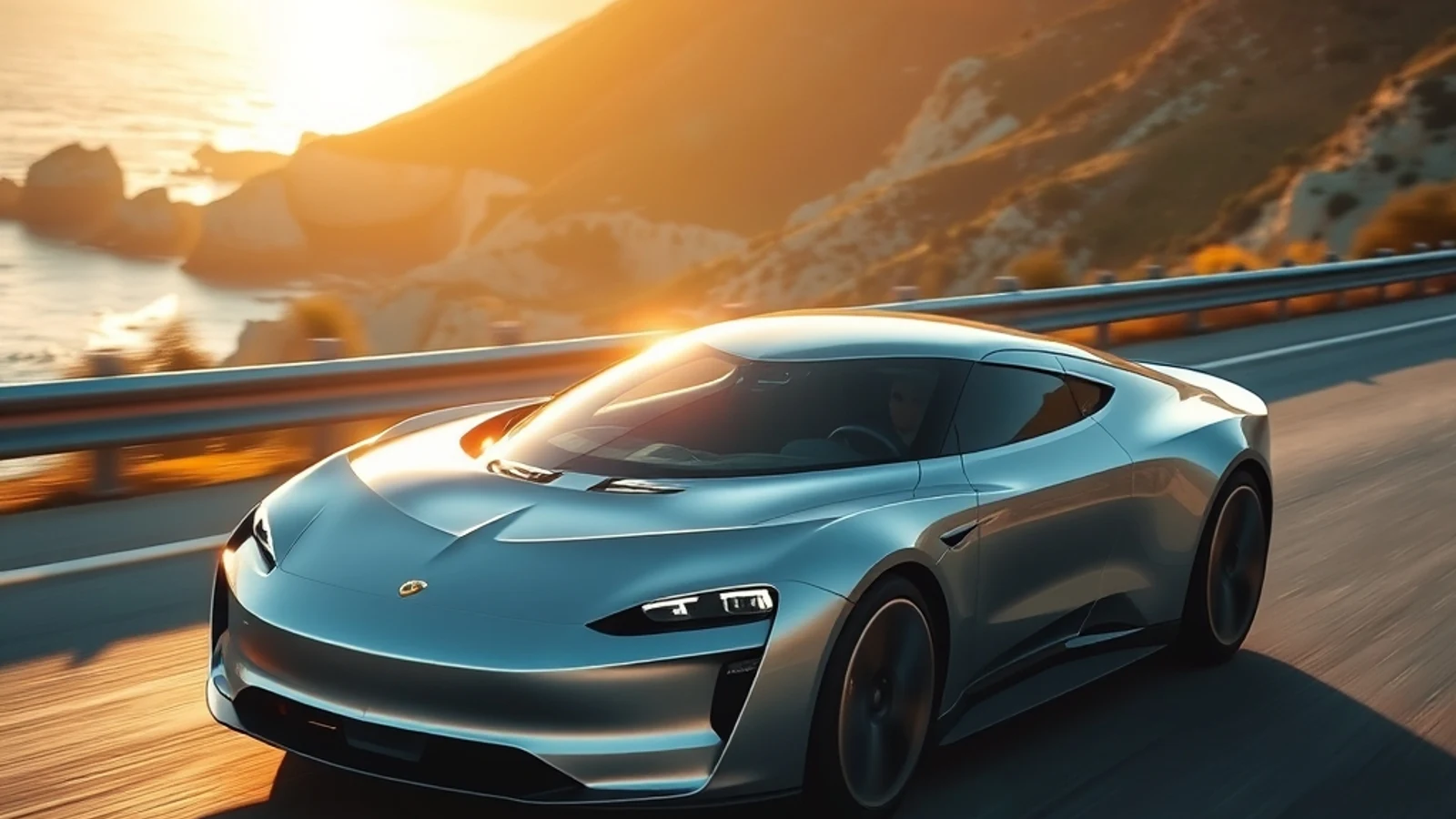
The performance segment is also undergoing a significant transformation with the transition of the Porsche Boxster to an all-electric platform. This shift is viewed by industry observers as a broader indicator of how traditional sports car manufacturers are adapting to the requirements of the clean energy sector. By converting a established model to an electric configuration, Porsche is signaling its commitment to electric vehicle performance, representing a pivotal change for the brand's historically combustion-focused identity in the sports car market. Source
The professional discussion surrounding these topics is consolidated into a weekly analysis broadcast every Friday at 4:00 p.m. Eastern Time. Hosted on the Electrek YouTube channel, these sessions facilitate a review of the most critical developments in electric mobility and energy transition. Following the live conclusion at approximately 5:00 p.m. Eastern Time, the content is archived for later viewing, and audio versions are distributed through major podcast platforms to reach a wider audience of interested listeners. Source
This format allows for direct engagement, where participants can submit questions in real time. The goal is to provide a platform for exploring how the vehicle market is responding to new model launches and active regulatory debates. The combination of expert commentary and audience interaction aims to clarify the complexities of the current mobility environment. As the year draws toward a close, software capability and next-generation electric platforms are expected to serve as the primary benchmarks for competitive success. Source
Automakers are currently balancing multiple powertrain strategies to navigate varying consumer preferences. While the push toward full electrification remains strong, manufacturers like Volvo demonstrate that bridge technologies continue to play a functional role in the broader strategy. The data suggests that success in this environment requires a hybrid approach—combining advanced software development with flexible hardware options that accommodate the current state of public charging infrastructure availability throughout North America and other major markets. Source
Industry observers have identified three primary areas of focus for the remainder of the year. Software capability stands out as a critical indicator of technological advancement, while plug-in hybrid models remain essential for maintaining sales in segments not yet fully saturated by battery-electric vehicle offerings. Finally, the introduction of next-generation electric platforms for established brands like Porsche represents the next phase of innovation, suggesting that the industry will prioritize performance alongside energy efficiency in future product cycles. Source
The analysis of these trends is documented and discussed through ongoing media projects. Readers and listeners are directed toward official channels to track these updates as they unfold. By maintaining a steady stream of information, publishers aim to ensure that stakeholders remain informed regarding the technological progress and strategic shifts occurring within the automotive manufacturing sector. This reporting provides a view into how individual company decisions collectively influence the trajectory of the energy transition. Source
For those seeking further detail on these developments, the archived video and audio resources provide a comprehensive look at the arguments presented by industry experts. The discussions frequently emphasize that the transition to electric transport is not a singular event but a series of incremental changes across various sectors, including software, hardware, and infrastructure. Understanding these connections is essential for those tracking the future of the automotive industry as it continues to respond to both market opportunities and challenges. Source
In addition to product-specific developments, the broader context of sustainable transport is also influenced by investment patterns and the evolution of supporting technologies like residential energy management. These factors, while tangential to the vehicle launches themselves, contribute to the ecosystem that supports the adoption of electric transport. Industry news outlets continue to curate this information, providing a clearer picture of how these diverse components interact to shape the modern automotive landscape for the consumer. Source
As these trends develop, observers expect to see further refinement of both software and vehicle design. The focus will likely remain on enhancing user experience through technological integration while simultaneously working to address the practical concerns of consumers, such as charging accessibility and range. For manufacturers, the goal remains to bridge the gap between legacy engineering and the needs of a rapidly evolving electric future, setting the stage for subsequent market benchmarks in the coming year. Source

