
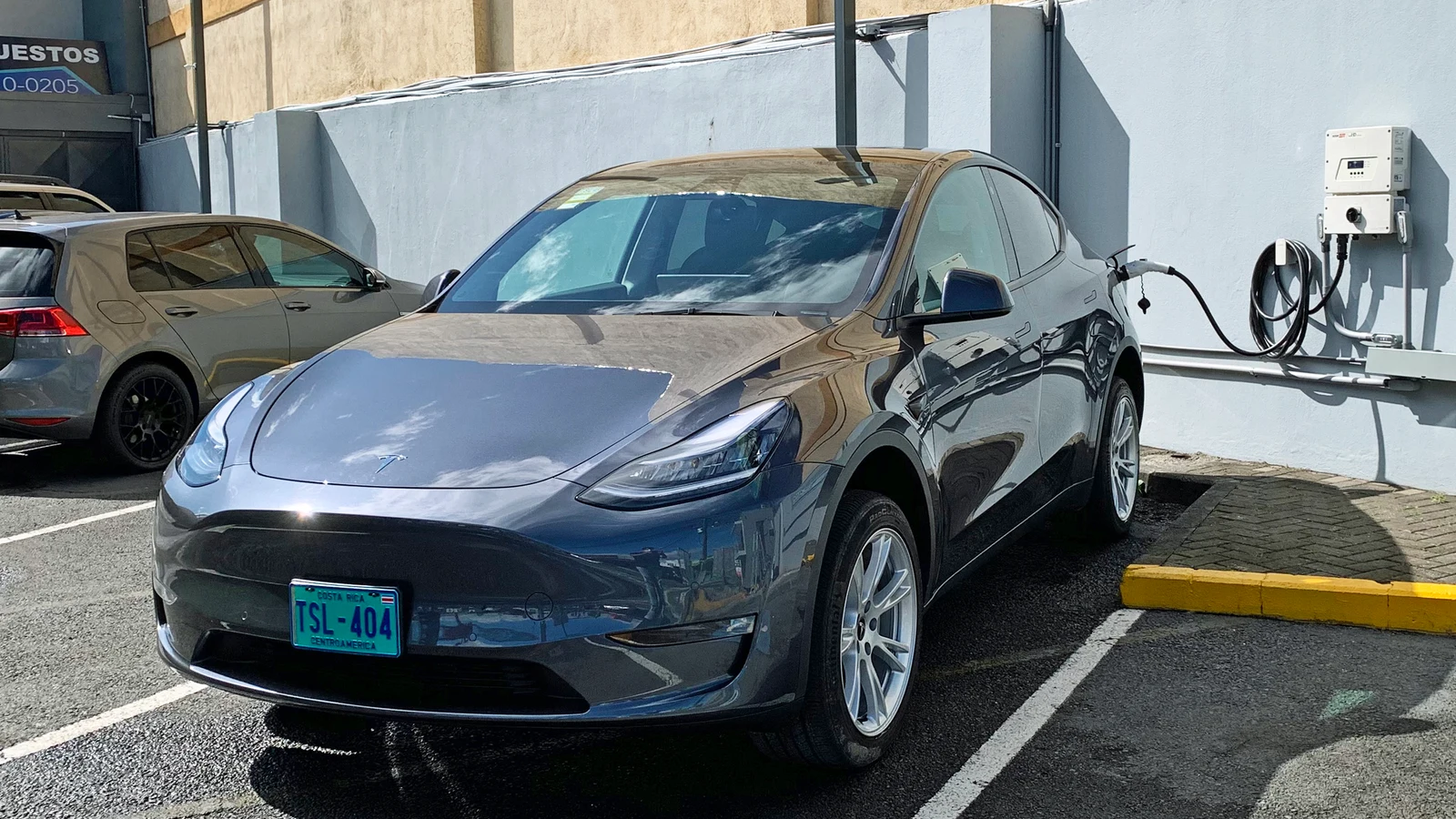
The release of Tesla's Full Self-Driving v15 software suite has introduced a new feature known as Reality View, which provides a rendered visualization of the environment surrounding the vehicle. Since its launch on November 21, 2026, some users have reported noticeable performance limitations within this feature. Specifically, users have identified a delay when interacting with the screen to adjust viewing perspectives, noting that the input feels less responsive compared to previous driver visualization iterations utilized by Tesla. Source
Reality View Performance Adjustments
Beyond interface responsiveness, reports indicate that the graphical rendering itself occasionally trails behind real-time visual input from the vehicle's windshield. This discrepancy in the visual feed has been a primary point of feedback for early adopters of the v15 update. According to published reports, this latency results from high compute demands, but the company is already moving to implement an optimization strategy that does not require physical hardware replacements in existing Tesla vehicles. Source
Elon Musk has outlined a technical roadmap to mitigate the latency issues in the Reality View feature, which is currently powered by a 1-billion-parameter diffusion model. This model operates independently from the vehicle's primary 3-billion-parameter driving stack but utilizes the same sequence of Universal Vision Encoder features. To resolve the observed delays, Tesla intends to interleave newer Universal Vision Encoder features directly along the diffusion transformer layers, a process that is estimated to reduce total system latency by 35 percent. Source
The current technical architecture of the Reality View system generates short segments of video consisting of eight images at a rate of 36 frames per second. The system is designed to process Universal Vision Encoder frames at 18 Hz, with the computational workload distributed across four cycles using half of a single TRIP accelerator engine. By injecting more recent encoder data into the denoising process, Tesla aims to improve the speed at which the model converges on accurate visualizations, thereby improving performance. Source
NVIDIA Leadership Changes and Supply Stability
Simultaneous with these software updates, NVIDIA announced on November 23, 2026, the reinstatement of Jensen Huang as President, CEO, and Board Director. Huang had previously been removed from his leadership roles following allegations of illegal chip sales to China and an alleged affair with a foreign intelligence agent. His return to the company was publicly welcomed by Elon Musk, who stated that the error had been corrected. This change is viewed as significant for companies that depend on NVIDIA for artificial intelligence computing. Source
Tesla and SpaceXAI, both of which rely on NVIDIA hardware for their artificial intelligence research and compute initiatives, faced potential instability during Huang's absence. The leadership reinstatement provides increased certainty regarding supply chains and technological partnerships. NVIDIA has confirmed that it is establishing a National Security and Export Control Committee to manage trade compliance and mitigate future risks. Despite this organizational shift, investigations regarding Huang's past conduct remain ongoing, which could impact future government-related exports. Source
The partnership between Tesla, SpaceXAI, and NVIDIA remains critical, particularly as SpaceXAI continues to develop its AI compute capabilities exclusively using NVIDIA graphical processing units. Musk has frequently praised Huang’s leadership, suggesting that his return stabilizes the path forward for current hardware architectures. By maintaining this relationship, Tesla avoids the necessity of immediately transitioning to alternative compute architectures, allowing the company to focus on its internal chip development initiatives while securing current supply streams. Source
The integration of these developments highlights the dependency of advanced autonomous systems on both stable hardware leadership and iterative software optimization. While the software-based latency fix for Reality View addresses immediate user concerns regarding visual feedback, the broader corporate developments at NVIDIA ensure that the underlying compute hardware remains available for upcoming software iterations. Tesla's ability to interleave features efficiently demonstrates an approach to maximizing performance within existing compute constraints of the current AI4 hardware stack. Source
As Tesla continues to refine its Full Self-Driving suite, the technical interplay between the diffusion model used for visualization and the driving stack remains a primary engineering focus. The commitment to reducing visualization latency through smarter data injection strategies underscores the iterative nature of autonomous system updates. Future updates are expected to continue addressing efficiency, with broader infrastructure improvements like Starlink connectivity for vehicle models also being explored by the company for implementation in the next year. Source
The following table summarizes the technical constraints and adjustments planned for the Reality View feature as described in technical reports from the company's executive communications and developer observations. Source
In addition to technical performance, the industry focus remains on how these software capabilities will scale. The deployment of v15 continues, with the company monitoring user data to refine the diffusion model's convergence speeds. While individual user experiences vary based on the specific hardware configuration and environmental conditions, the primary goal for the near-term software patches is to ensure that visual rendering aligns as closely as possible with the real-time sensor data processed by the vehicle's driving stack. Source
Final evaluation of the latency improvement will depend on the release of the upcoming software patch. By leveraging existing Universal Vision Encoder features and optimizing the denoising process, the company believes it can deliver a significantly more fluid experience. Users are encouraged to continue providing feedback through the established channels, as the company utilizes this real-world data to calibrate its neural networks and refine the rendering quality across its fleet of compatible electric vehicles. Source

