
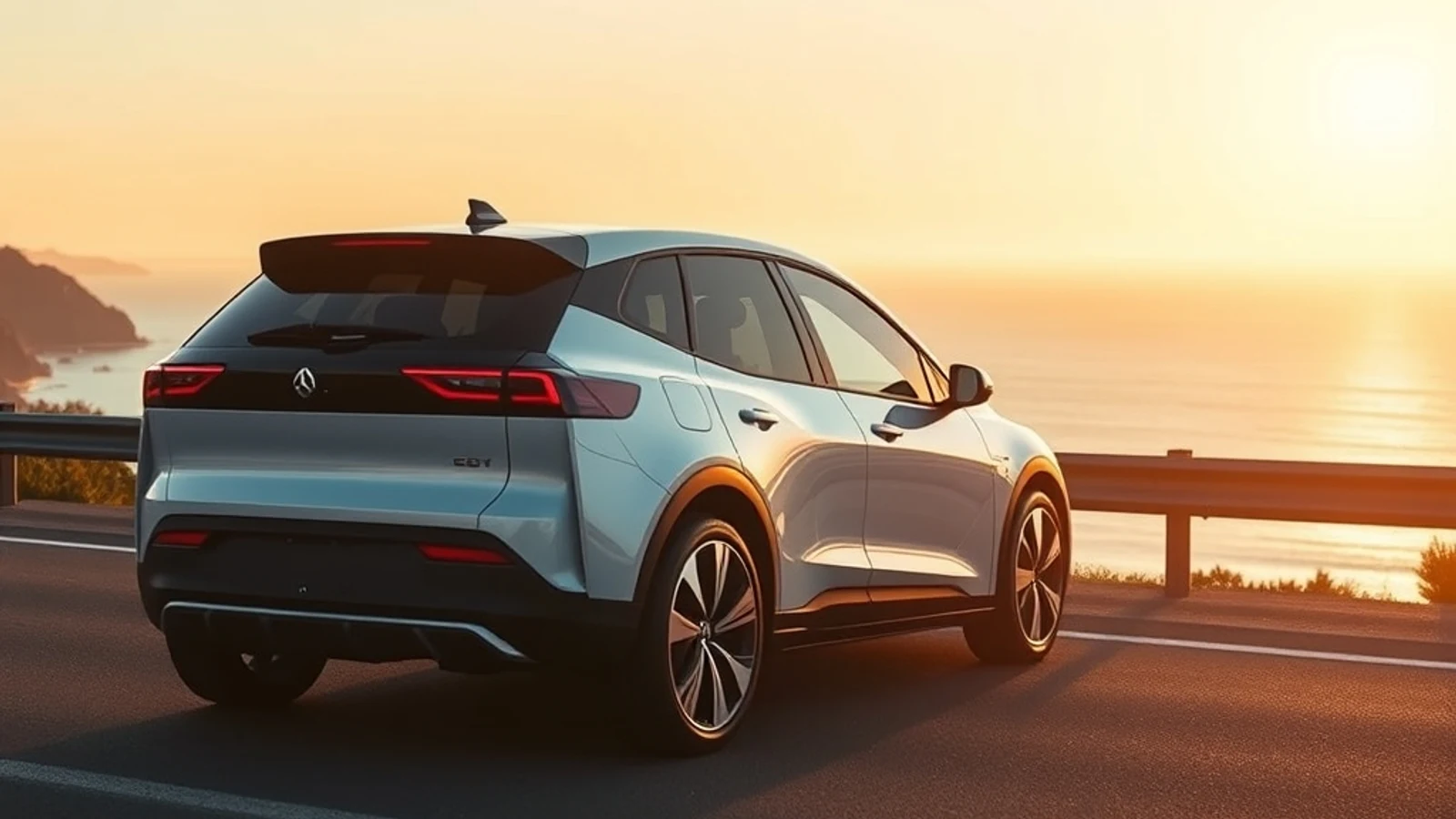
The 2026-2027 Tesla Model Y Standard RWD now has a specific dual-layer center console organizer available through the Teslarati marketplace. Designed to address interior storage needs, the accessory converts the existing deep console area into a two-level compartment. The upper tray is intended for smaller essential items like keys and key cards, while the lower section accommodates larger belongings such as small tools or cleaning wipes. This specific organizer is tailored for the Standard RWD configuration rather than Performance, Premium, or Model Y L trims. Source
Buyers must verify their specific trim and console layout prior to purchase, as the manufacturer specifies this organizer is not compatible with other Model Y variations. The kit includes the lower console organizer and a front-row cup holder insert. Installation requires no specialized tools, as the tray simply rests into the existing storage cavity, and the material allows for removal to facilitate cleaning. This offering is part of a broader inventory of Tesla interior upgrades currently priced below $100 per unit. Source
Tesla has expanded the Model 3 lineup with a new entry-level rear-wheel drive variant that recently became available for order. This configuration starts at $45,900, positioning it $9,000 lower than the previous Premium RWD starting price. Customers who place orders for this model within the current window can expect deliveries through January 2027. To achieve this lower price point, the base model excludes several features found in higher trims, such as ventilated front seats, ambient dash lighting, and the 8.0-inch rear touchscreen. Source
Additional changes to the 2027 model year sedan range include the integration of a 16-inch front touchscreen, a dark headliner, and an optional Zen Grey interior for the Premium and Performance variants. The Performance variant now features a WLTP-rated range of 600km, marking a 29km increase. All MY27 Model 3 vehicles now support vehicle-to-load power sharing via an optional outlet adapter, enabling the use of small appliances powered directly by the vehicle battery. Source
Comparing utility and performance, the 2026 Tesla Model Y is marketed with an electric powertrain outputting 397 horsepower and 376 lb-ft of torque. In Canadian market comparisons, the vehicle provides 822 liters of trunk space, which expands to 2,022 liters when the rear seats are stowed. Safety assessments indicate a 5-star NHTSA overall rating, with individual 5-star scores for rollover and frontal crash performance. The manufacturer provides a comprehensive warranty of 48 months or 80,000 km, alongside a powertrain warranty covering 96 months or 192,000 km. Source
The sedan segment sees the 2026 Tesla Model 3 competing with various alternatives, offering a 594-liter trunk capacity. Its electric powertrain produces 384 horsepower and 376 lb-ft of torque. Efficiency ratings for this model are approximately 1.8 to 1.9 Le/100 km depending on driving conditions. Standard safety equipment includes an 8-airbag system, and the vehicle maintains a 5-star overall NHTSA rating. Owners are provided with a standard 48-month or 80,000 km comprehensive warranty, while the battery and powertrain are supported for 96 months or 192,000 km. Source
Looking toward future configurations, Tesla CEO Elon Musk has indicated plans for an autonomous Model Y variant that would omit both a steering wheel and manual pedals. This proposed vehicle is intended to transport groups of six or seven passengers and would utilize either a long-wheelbase platform or a standard chassis equipped with a third row of seating. The development of this autonomous version follows the introduction of the steering-wheel-free Cybercab, which is currently limited to operation in select Texas cities. Source
The regulatory status of vehicles manufactured without traditional driver controls remains under review. The National Highway Traffic Safety Administration has launched an investigation into how Tesla self-certified such vehicles, questioning compliance with federal motor vehicle safety standards. Tesla has engaged with the administration regarding these concerns, though the specifics of that communication have been kept confidential. Consequently, the public release timeline for a steering-wheel-free Model Y remains unconfirmed by the company. Source
Vehicle Performance and Specifications
The following table outlines key performance and utility specifications for the 2026 Tesla Model 3 in comparison to the 2026 BMW 3 Series, based on reported manufacturer data and testing figures. Source
As shown in the data above, the 2026 Tesla Model 3 distinguishes itself through its electric powertrain and significantly larger trunk volume compared to the internal combustion engine competition. While the BMW 3 Series relies on a hybrid system producing 255 horsepower, the Model 3 electric configuration generates 384 horsepower and 376 lb-ft of torque. These figures contribute to the Model 3 performance metrics across the 5-star rated safety categories. Source
Maintenance practices for the Tesla Model 3 differ from traditional automotive standards. The brand does not mandate set service intervals for the vehicle. Instead, it provides recommendations such as rotating tires and checking wheel balance at 20,000 km intervals. Additionally, air-conditioning filters are recommended for replacement every two years. These guidelines apply to the current range of Model 3 variants, ensuring basic care is managed without conventional scheduled maintenance programs. Source
The broader lineup of Tesla accessories continues to expand to accommodate these evolving models. With recent clearance pricing on various interior and exterior components, the ecosystem around the Model Y and Model 3 focuses on functional upgrades like organization panels and protection gear. These products, such as the dual-layer center console organizer, reflect the manufacturer and accessory market's focus on refining the internal user experience for the 2026-2027 production cycle. Source

