
Autonomous Vehicle Development Plans
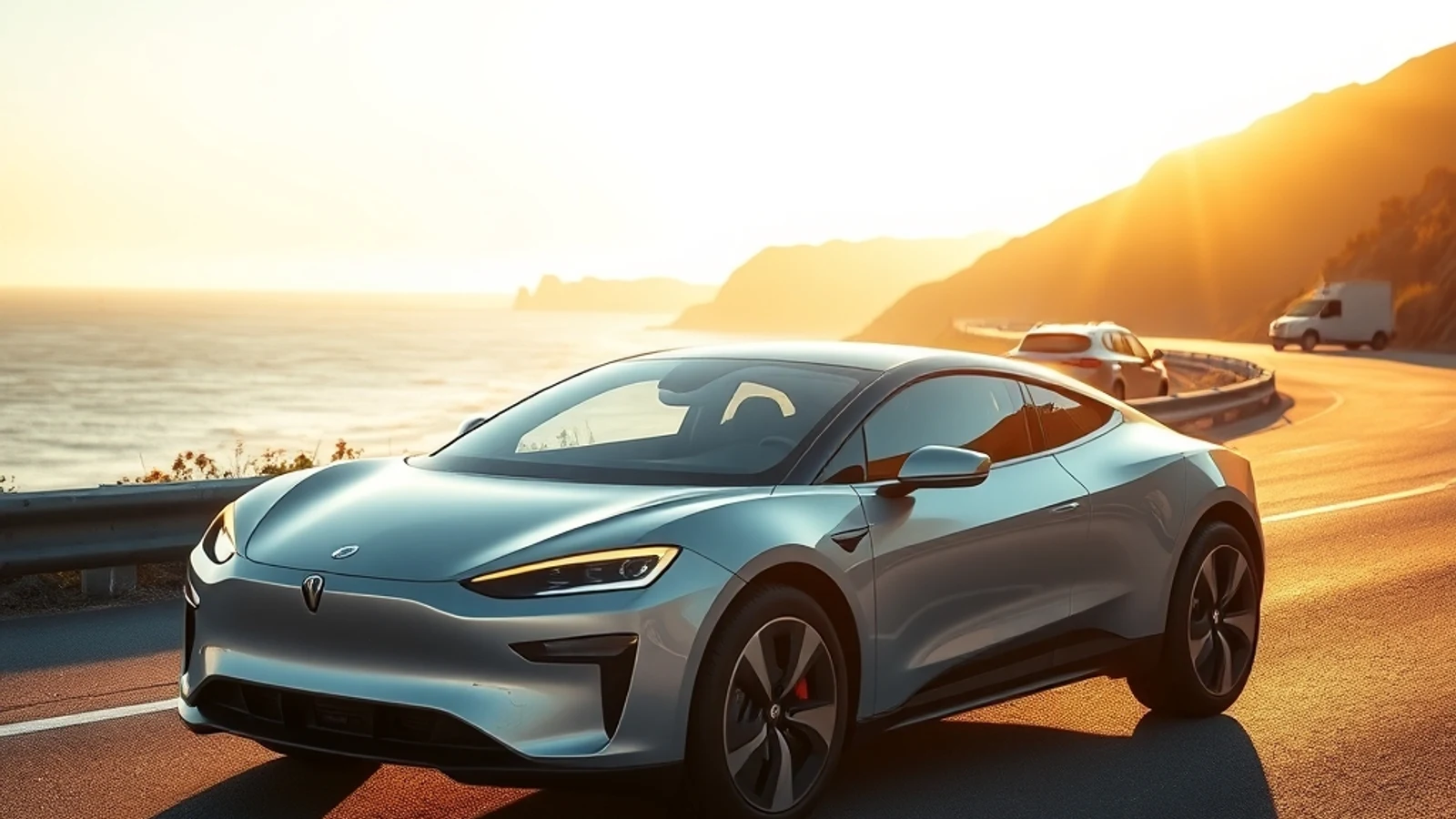
Tesla is moving forward with plans to develop a fully autonomous version of the Model Y, designed specifically to accommodate larger groups and families who require more capacity than the two-seat Cybercab. During the New York Times DealBook Summit on November 18, 2026, Elon Musk disclosed that this upcoming variant would be engineered without traditional manual driving controls, specifically omitting both a steering wheel and pedals. The announcement suggests a shift in Tesla's approach to its existing volume-production platform. Source
Musk emphasized that the decision stems from a practical need to address passenger groups larger than two people, which he noted represents about 10 percent of total passenger miles. While the Cybercab is built as a compact, two-seat vehicle optimized for the vast majority of personal transit needs, the proposed autonomous Model Y would provide a dedicated solution for families or groups of up to six or seven passengers. This integration aims to expand the range of Tesla's robotaxi-grade services. Source
Tesla already maintains an active autonomous fleet, much of which consists of standard Model Y vehicles currently in service across eight cities. However, these existing units remain equipped with conventional driver interfaces. The planned controls-free Model Y would mirror the architecture of the Cybercab, effectively creating a larger, factory-built autonomous platform. This design iteration would signify a departure from the dual-strategy line previously maintained by the company regarding its robotaxi and consumer-vehicle lineups. Source
Market availability for the autonomous Model Y remains undefined, as Musk did not provide a specific launch date, price, or production location during the summit. Importantly, Tesla has confirmed that it will continue to sell standard Model Y vehicles equipped with traditional steering wheels for the foreseeable future. The autonomous version is viewed as an additive product within the Tesla lineup, primarily intended for deployment within managed robotaxi networks rather than for immediate consumer retail purchase. Source
The internal discussion regarding the autonomous Model Y reflects a pivot in the company's long-term product strategy. Previously, there was speculation that multi-row vehicles might become less relevant in a fully autonomous future. However, Musk’s recent comments indicate that the company still perceives high demand for family-sized autonomous transport. The Model Y chassis, rather than a entirely new ground-up design, is being positioned as the primary vehicle to fulfill this specific market segment. Source
Current technological implementations in the Model Y series provide insight into the manufacturing progression toward full autonomy. Newer Robotaxi-spec units already feature specialized hardware additions, such as rear camera washers and revised front camera housings, which are not present on standard consumer vehicles. These refinements are intended to facilitate continuous, unsupervised operation, a core requirement for the vehicle's future iteration as a controls-free robotaxi fleet member. Source
While Tesla is expanding its autonomous capabilities, the company also monitors the manufacturing output of its core production facilities. Gigafactory Shanghai, for example, remains a significant production hub, having shipped 810,889 vehicles in the first ten months of 2026. This reflects a 21.4 percent increase compared to the same period in the prior year. Despite these figures, Tesla has not released an updated production timeline that incorporates the proposed autonomous Model Y variant. Source
Comparative EV Platform Specifications
Technological distinctions between different vehicle platforms continue to be a factor in the EV sector. The following table summarizes known differences in battery and seating configurations currently associated with high-capacity or long-range vehicle efforts in the broader market environment. Source
| Feature | Tesla Model Y (Targeted) | Lucid Air | Tesla Model S | Source
| :--- | :--- | :--- | :--- | | Max Seats | 6-7 (Proposed) | 5 | 5 | | Battery Capacity | Unspecified | 113 kWh | 75/100 kWh | | Architecture | Autonomous Fleet | Skateboard | Sedan | Source
The evolution toward an autonomous Model Y also carries implications for the broader Robotaxi network strategy. Musk indicated in November 2026 that select Model Y owners in Austin might soon be eligible to integrate their personal vehicles into the Robotaxi network. A factory-built, controls-free Model Y would serve as a more efficient fleet vehicle than current retrofitted models, providing greater seating capacity while maintaining the lower operating costs essential to the company's autonomous business model. Source
In addition to his comments on the autonomous Model Y, Musk addressed organizational matters including potential merger discussions. He emphasized that any decision regarding a merger with SpaceX remains the responsibility of independent committees and shareholders. Musk also reiterated his commitment to maintaining current corporate structures, noting that he would not seek additional compensation for a potential merger deal, highlighting a focus on product execution over structural financial changes. Source
Final design details for the autonomous Model Y remain largely unresolved. The transition from a vehicle with manual controls to one without them requires comprehensive adjustments to interior packaging, crash structure, and HVAC layout. While Musk confirmed the conceptual shift, he did not elaborate on the specific hardware or engineering path the company intends to take to achieve these requirements, leaving the path to series production open for future updates. Source

