
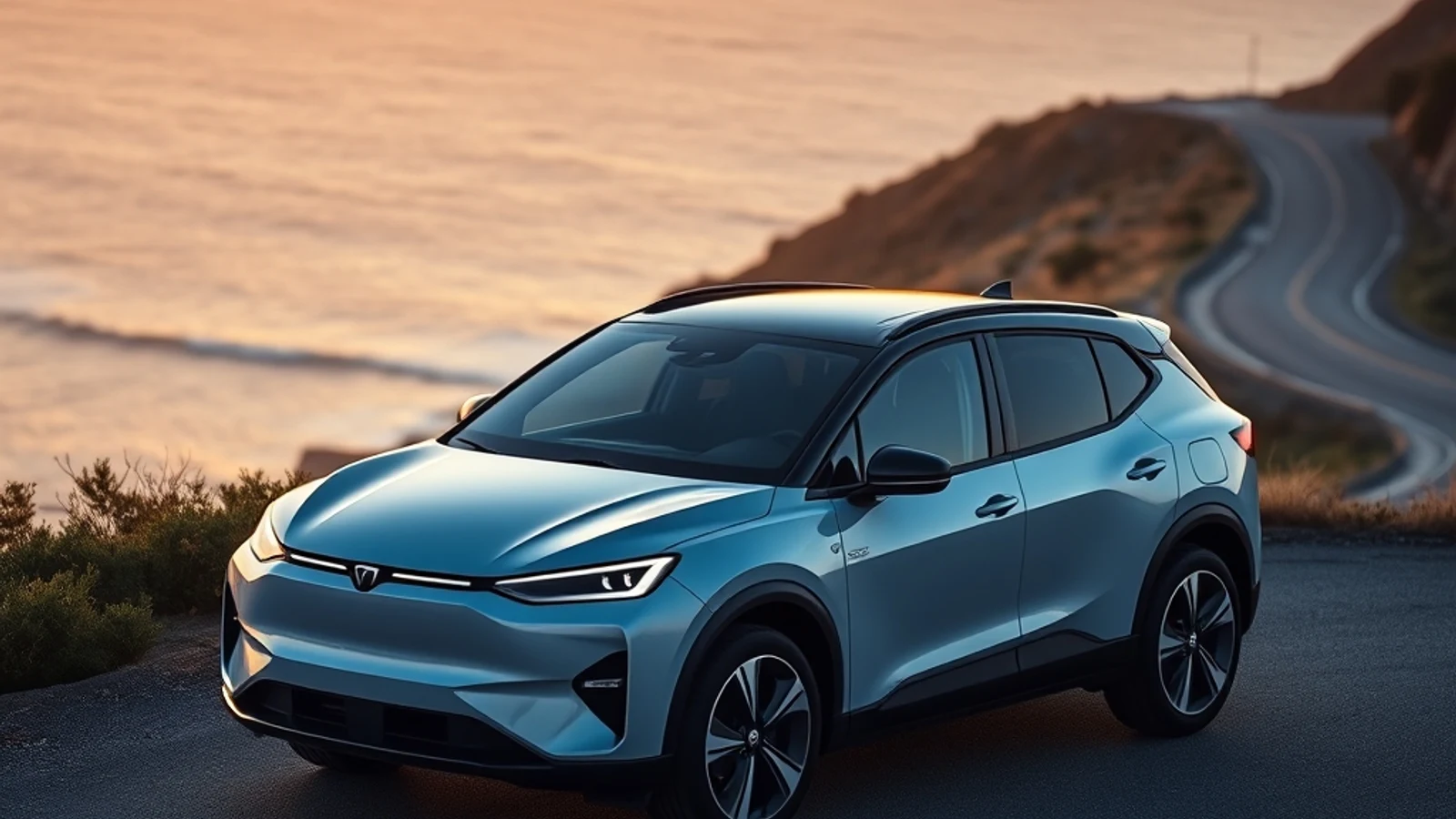
Autonomous Model Y Development
Tesla is developing a fully autonomous version of the Model Y that will be designed without a steering wheel or pedals. During the New York Times DealBook Summit on November 18, 2026, CEO Elon Musk announced that this new vehicle variant is intended to serve families and groups of six to seven people who require more space than the existing two-seat Cybercab provides. The company aims to address the needs of larger groups while maintaining the autonomous fleet functionality that defines its current taxi project. Source
Autonomous Model Y Development
Musk emphasized that while the Cybercab is designed for high-efficiency, two-passenger transport covering a significant portion of total passenger miles, the larger Model Y platform will offer a necessary alternative for families. The company has not yet provided specific details regarding production timelines, official pricing, or the manufacturing locations for this specific driverless vehicle. Conventional Model Y vehicles equipped with standard driving controls will remain available for purchase by individual customers for the foreseeable future. Source
Currently, the Model Y is already utilized within Tesla’s existing autonomous taxi fleet in several cities, though these units retain standard human-operated controls. The proposed autonomous variant would remove these physical interfaces at the point of manufacture, moving closer to the design philosophy of the Cybercab. This shift is part of a broader company strategy to scale autonomous transport services, with the existing fleet already operating around the clock in eight cities and having expanded service into Dallas, Texas. Source
In parallel with these vehicle plans, Tesla is evaluating the introduction of customer-owned vehicles into its robotaxi platform. In a communication on X regarding an Austin-based driver using Full Self-Driving, Musk suggested that trials involving customer vehicles could potentially commence as early as December 2026. This potential pilot program is intended to provide a pathway for owners to manage their own fleet of autonomous cars, contrasting with the current model of individual vehicle operation. Source
December 2026 represents a milestone month for Tesla, as it marks the target window for initial deliveries of the Cybercab to select private customers. These vehicles, which retail for 29,990 US dollars and require a monthly 299 US dollar autonomy subscription, are limited to specific personal use cases within designated zones. The company intends to monitor the integration of these private vehicles alongside its own operated robotaxi fleet to refine its commercial autonomous offerings. Source
Global Production and Expansion
Tesla's European operations are also seeing expansion, with plans to invest approximately 3 billion euros in Giga Berlin to increase production capacity. The facility is expected to host the manufacturing of the Cybercab, with the goal of reaching an annual output of 1 million units. This expansion would make the German site the largest vehicle production plant in the country by capacity, with operations using advanced technology integrated into the updated production lines. Source
Regulatory certification presents a distinct hurdle in the European market for steering-wheel-free vehicles. Because the Cybercab lacks traditional driving hardware, it requires classification as an L4-level driverless vehicle under European Union guidelines. The European Union has indicated that no existing certification channels for such fully autonomous designs have been activated by any manufacturer to date, creating a complex environment for the planned regional deployment of these specialized vehicles. Source
Manufacturing adjustments are also anticipated at the Texas Gigafactory. Tesla plans to gradually reduce Cybertruck production around the middle of 2027 to repurpose that capacity for the increasing demand for Cybercab manufacturing. Meanwhile, in China, discussions regarding the introduction of Tesla's Full Self-Driving (FSD) system remain an ongoing topic. Despite technical updates in 2025, executives confirmed during the October 2026 earnings call that regulatory approval for a wider rollout in China has not yet been achieved. Source
The following table outlines the current vehicle and production milestones reported by Tesla: Source
| Milestone | Status / Target Date | Source
| :--- | :--- | Source
| Cybercab Private Deliveries | December 2026 | Source
| Customer-Owned Robotaxi Trials | As early as December 2026 | Source
| Giga Berlin Cybercab Production | Expected operational 2029 | Source
| Cybertruck Production Reduction | Middle of 2027 | Source
Giga Shanghai maintains its position as the company's most productive facility, having shipped 810,889 units, primarily Model 3 and Model Y, in the first ten months of 2026. This performance represents a 21.4 percent increase compared to the previous year. As Tesla moves to transition its global production toward autonomous-capable platforms, management is balancing existing vehicle demand against the need to secure regulatory pathways for its future driverless lineup in global markets. Source

