
Expanding the Autonomous Lineup
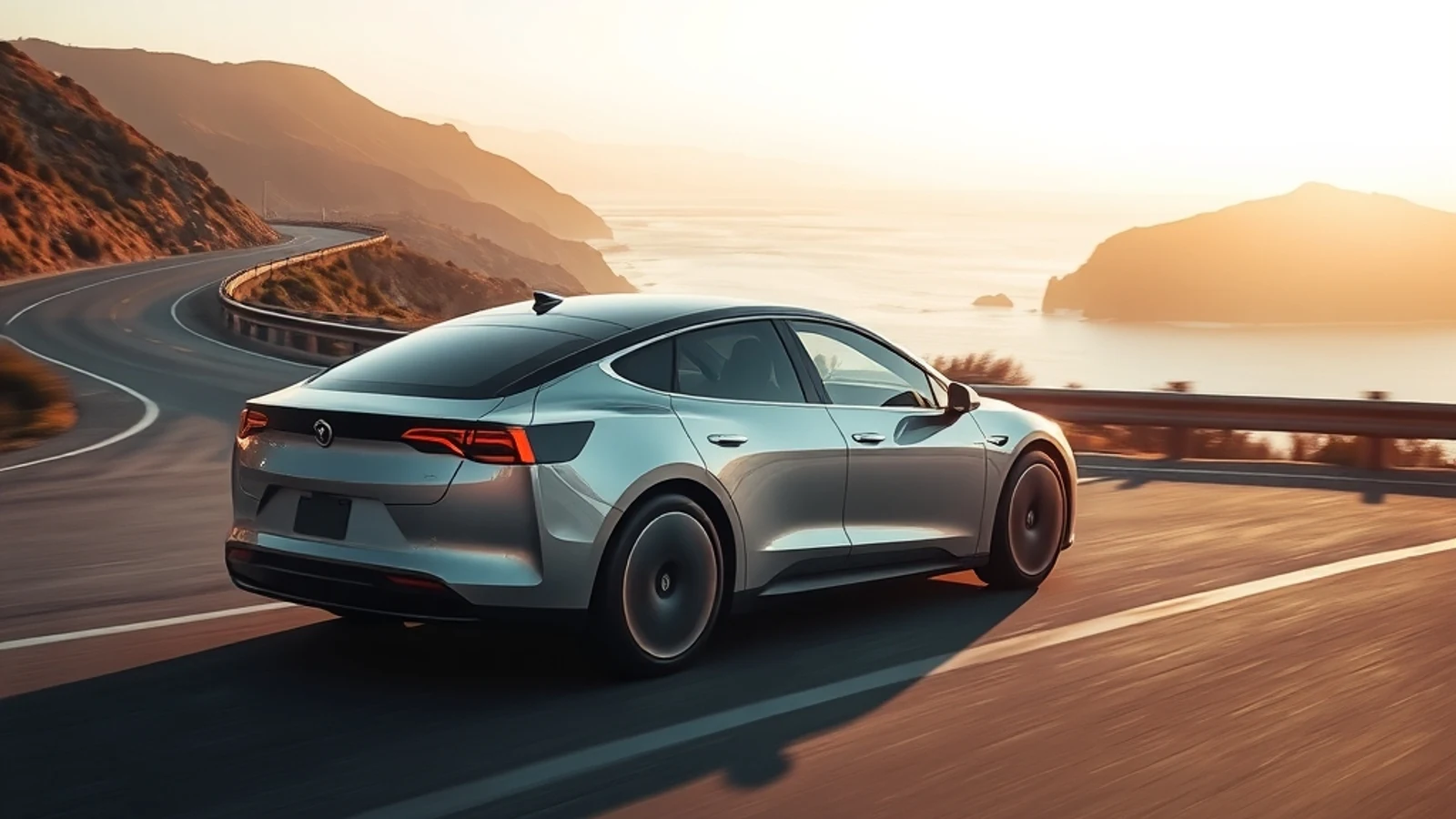
Tesla is moving toward a new iteration of its Model Y, with CEO Elon Musk announcing plans for an autonomous, driverless version of the electric crossover. Speaking at the New York Times DealBook Summit on November 18, 2026, Musk indicated that this future vehicle will lack both a steering wheel and pedals. He framed the project as a necessary evolution for transporting groups of six to seven passengers, positioning it as a larger-capacity alternative to the current two-seat Cybercab, which is currently entering its initial phase of sales. Source
This announcement follows a period of consolidation for the automaker. Tesla previously discontinued its Model S and Model X product lines earlier in 2026. According to industry reports, the company is also preparing to cease production of the Cybertruck at its Gigafactory in Texas. Musk disclosed that this wind-down will occur around the middle of 2027, a shift intended to reallocate manufacturing resources specifically toward the production of the Cybercab, which is already being prepared for wider rollout. Source
The prospective driverless Model Y would rely on its seating capacity to distinguish itself in the company's evolving lineup. Currently, Tesla sells a stretched three-row version known as the Model Y L, which began production at Giga Texas following its initial debut in the Chinese market in August 2025. While Musk had previously suggested the extended version might not reach the United States due to the anticipated rise of self-driving technology, the vehicle is currently a staple at the top of the American Model Y lineup. Source
Regulatory compliance remains a significant hurdle for vehicles lacking manual controls. Tesla is currently navigating a National Highway Traffic Safety Administration (NHTSA) Special Order issued in September 2026. The agency initiated an audit to investigate Tesla's self-certification of the Cybercab, which lacks a traditional foot-operated service brake required by Federal Motor Vehicle Safety Standard 135. Tesla maintains that the vehicle meets federal safety requirements, yet the shift toward eliminating controls in a Model Y will likely trigger similar federal scrutiny. Source
In Europe, the path forward for such vehicles is equally complex. Tesla plans to invest approximately 3 billion euros to expand Giga Berlin with a new production plant dedicated to the Cybercab, with operations expected to begin in 2029. However, because the Cybercab design excludes a steering wheel, it must secure specialized L4-level driverless certification. The European Union has indicated that no automaker has successfully utilized the existing certification channels for such vehicles to date, posing a potential roadblock to consumer sales in that market. Source
Consumer sentiment regarding fully autonomous vehicles remains varied. According to the 2026 Autonomous Vehicle Study conducted by Cox Automotive, only 10% of surveyed US consumers identified fully driverless Level 5 autonomy as their most appealing option, a decline from 17% in 2016. In contrast, 28% of respondents preferred Level 4 autonomy, which retains the option for human intervention. The data further suggests that only 38% of consumers feel safe in a Level 5 vehicle, compared to 87% who report comfort with standard modern driver aids. Source
The consumer response to the Cybertruck discontinuation has been marked by skepticism and disappointment among long-time enthusiasts. Many have expressed frustration over the move toward an autonomous-only product slate, with some owners starting symbolic petitions to keep the truck in production. Fans have cited the lack of clear advertising and the omission of promised features like the range extender as evidence of a shift that neglects the needs of core automotive customers who value driving independence. Source
While Tesla continues to refine its production strategy, its recent Cybercab sales program represents a significant move toward commercializing its autonomous tech. Select customers have been invited to purchase the Cybercab for $29,990. The user experience requires a monthly "Autonomy Subscription" priced at $299. Elon Musk has acknowledged that this subscription fee may be too high, suggesting it should be better aligned with the cost of existing full self-driving software and connectivity bundles, which he estimates at approximately $115 per month. Source
Production Status and Strategic Shifts
The current state of Tesla's production environment is outlined below, reflecting the transition from traditional passenger vehicle production to specialized robotic and autonomous platforms. Source
The following table summarizes the anticipated production changes and the current status of key Tesla model lines as of November 2026. Source

