
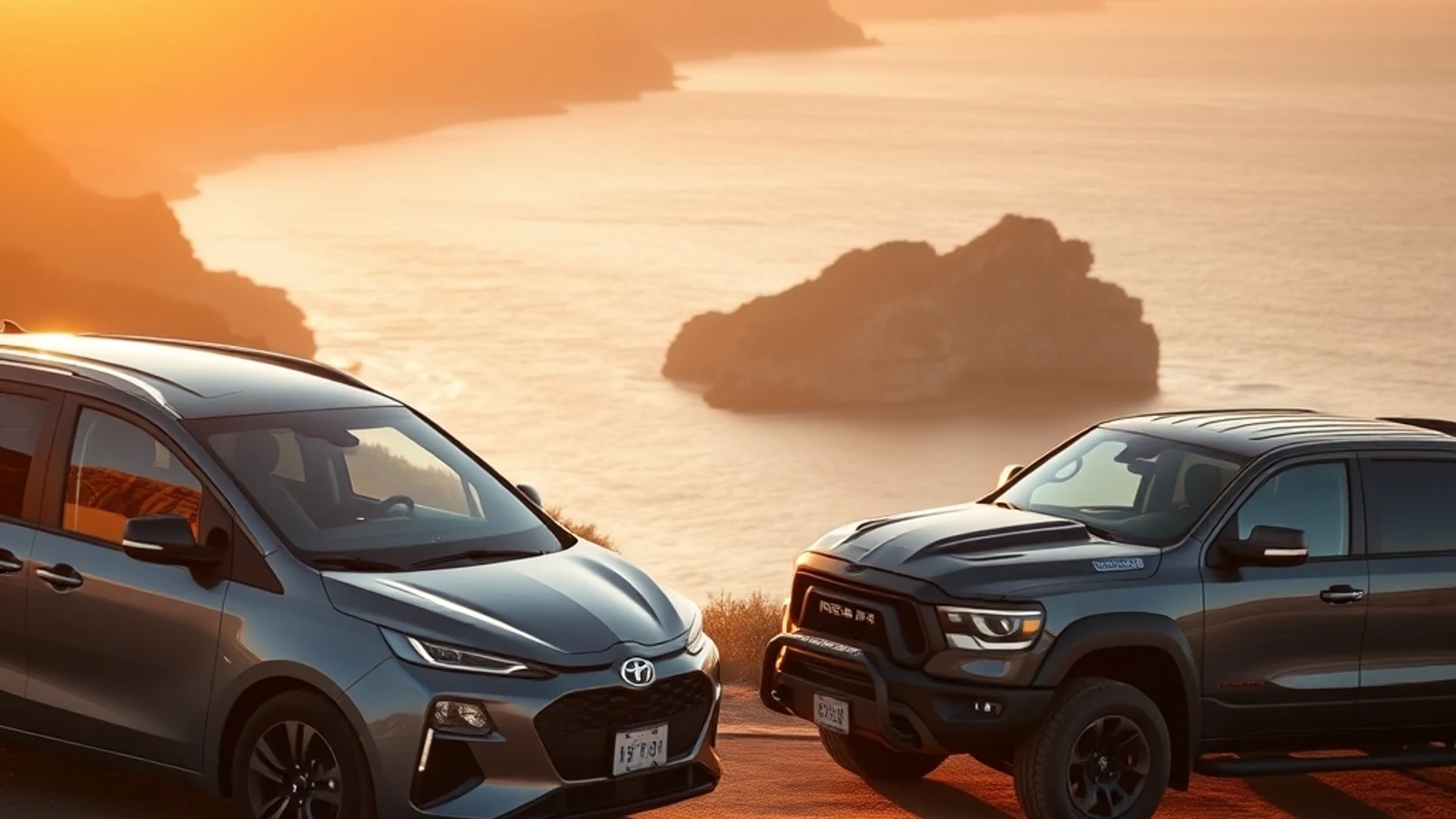
The 2027 Toyota Sienna undergoes a significant mechanical refresh, marking a departure from typical mid-cycle updates that focus primarily on visual aesthetics. According to Car and Driver, the exterior styling remains largely unchanged, with the exception of the addition of a new paint color, Storm Cloud, which replaces the outgoing Cypress hue. The automaker has revised its trim hierarchy, removing the Limited model and reconfiguring the XSE trim to function as the new penultimate offering beneath the top-tier Platinum. Source
Substantive changes for the 2027 Sienna reside within the powertrain and electrical architecture. Toyota has implemented its sixth-generation hybrid system, which transitions from the previous nickel-metal hydride battery to a lithium-ion battery pack. This power unit integrates a redesigned electric motor, delivering a combined total of 251 horsepower. For all-wheel-drive configurations, an additional rear-mounted electric motor provides traction, although the total system output remains consistent with front-wheel-drive variants. Source
Technological democratisation is a key theme for the 2027 Sienna interior, where Toyota has replaced the entry-level 8.0-inch infotainment screen found in the 2026 model with a standard 12.3-inch display across all trims. This is complemented by a matching 12.3-inch digital gauge cluster. Furthermore, the cabin environment has been updated with new LED lighting and upgraded rear-seat entertainment systems featuring native applications and a redesigned touchscreen interface to improve passenger convenience. Source
Driving dynamics in the 2027 Sienna have been adjusted through modifications to the electronic power steering and the introduction of Vehicle Braking Posture Control. This braking system selectively modulates individual wheels to mitigate body roll during cornering. Additionally, Toyota has incorporated sound-deadening material behind the dashboard and updated the steering wheel switchgear to enhance usability. The transition to USB-C ports throughout the cabin replaces older standards, facilitating improved device connectivity for occupants. Source
The 2027 Toyota Tundra lineup also receives targeted mid-cycle updates, with a primary focus on utility and towing functionality. As reported by The Drive, the engineering team has introduced standard 14.0-inch touchscreens and 12.3-inch digital gauge clusters across the range. While the exterior design remains largely familiar, specific off-road-oriented models including the Trailhunter and TRD Pro now feature factory-installed recovery tow hooks to improve capability during challenging terrain navigation. Source
Towing-specific enhancements define much of the 2027 Tundra update. When a seven-pin trailer connector is engaged, the vehicle automatically disables the rear automatic emergency braking system, preventing inadvertent activation during boat launch scenarios. A new trailer backup assist system has been added, allowing drivers to steer trailers using a touchscreen slider interface. Despite these upgrades, the drivetrain does not automatically activate Tow mode when a trailer is detected, requiring manual intervention from the driver. Source
Performance specifications for the 2027 Tundra remain anchored by the existing powertrain options. The base engine is a 3.4-liter twin-turbocharged V6 producing 389 horsepower and 479 lb-ft of torque, coupled with a 10-speed automatic transmission. Hybrid models, which position an electric motor between the engine and transmission, provide a total output of 437 horsepower and 583 lb-ft of torque. While three drive modes—Normal, Eco, and Sport—persist, Sport+ and Custom modes have been eliminated from the selection. Source
The TRD Pro trim for the 2027 Tundra has received notable suspension and seating upgrades. The vehicle now utilizes three-way adjustable Fox QS3 shocks, replacing the previous 2.5-inch Fox components. Furthermore, the model is now available with the ISO Dynamic seat, which incorporates integrated shock absorbers in the seat back to enhance ride comfort during off-road excursions. Unlike the Tacoma, the Tundra provides enough interior space to maintain second-row passenger comfort even when these seats are equipped. Source
Toyota has implemented a revised pricing structure for the 2027 model year. The 2027 Tundra now carries a starting MSRP of $45,085, excluding a $2,195 destination fee, with prices trending $1,000 to $2,000 higher than the previous model year. Top-spec Capstone models can exceed $85,000. In the minivan segment, the 2027 Sienna is estimated to start at $44,500 for the base front-wheel-drive LE trim, representing a modest increase over the previous generation's entry price point. Source
When comparing the performance characteristics of the 2027 Sienna to its 2026 predecessor, acceleration improvements are noted. Toyota claims the 2027 Sienna can reach 60 mph in 7.5 seconds for front-wheel-drive models, and 7.6 seconds for all-wheel-drive versions. This represents an improvement of 0.3 to 0.4 seconds compared to the 2026 model. Additionally, Toyota estimates city fuel economy will increase by 3 mpg for FWD models and 4 mpg for AWD variants, with combined improvements estimated at 1 to 2 mpg. Source
Comparison Table of 2027 Toyota Model Updates
The following table outlines key performance and configuration differences for the 2027 Toyota Sienna relative to its predecessor where specified by the manufacturer and automotive reviewers. Source
| Feature | 2027 Toyota Sienna | 2027 Toyota Tundra |
|---|---|---|
| Base Engine | 2.5L Hybrid (251 hp) | 3.4L Twin-Turbo V6 (389 hp) |
| Infotainment Screen | 12.3-inch Standard | 14.0-inch Standard |
| Key Mechanical Update | Lithium-ion Battery | Trailer Backup Assist |
| Starting Price Estimate | $44,500 (Base LE) | $45,085 (Base Trim) |

