
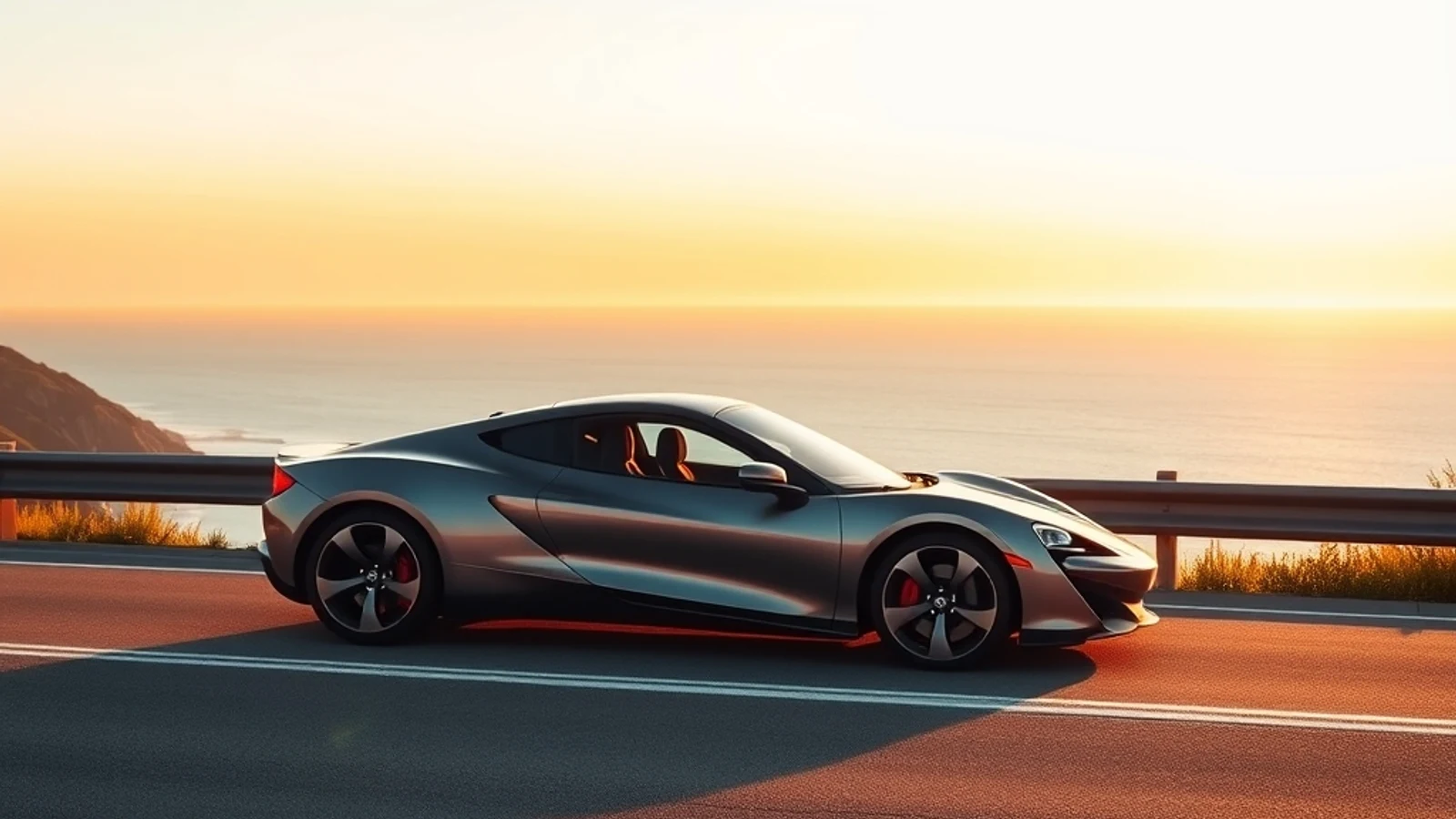
The Toyota GR86 and Subaru BRZ sports cars share a common mechanical foundation, yet their commercial performance within the United States market reflects a stark divergence in popularity. First introduced for the 2012 model year, these vehicles were designed to satisfy enthusiast demand for rear-wheel-drive configurations and manual transmissions at a reachable price point. While both models are built at the Subaru Gunma manufacturing facility in Japan, the market reception for the Toyota-badged version has consistently eclipsed that of its Subaru counterpart. Source
Since the launch of the platform, Toyota has secured more than double the total sales of the Subaru version. Data tracked through 2025 indicates that cumulative US sales for the GR86 reached 124,216 units. During the same timeframe, the Subaru BRZ achieved 58,318 units in total sales. With the exception of 2021, when the BRZ briefly outsold the Toyota variant, the sales gap has grown wider following the major redesigns introduced for the 2022 model year. Source
The development of these sports cars began in the late 2000s under the leadership of Akio Toyoda, who sought to shift the company's brand image away from utilitarian transportation. The project required a partnership with Subaru to ensure financial viability for a niche vehicle segment. Subaru utilized this collaboration to demonstrate its engineering capabilities outside of its core all-wheel-drive lineup, while also securing additional production capacity for its manufacturing plant. Source
Significant differences in brand positioning contribute to the observed sales performance gap. Price points have consistently favored Toyota, with the initial Scion FR-S—the precursor to the GR86—launching at $24,200 compared to $25,495 for the Subaru BRZ. This pricing disparity has persisted; by the 2026 model year, the two vehicles are separated by a difference of approximately $5,000. Toyota offers an entry-level stripped-out trim, whereas Subaru markets the BRZ as a premium-oriented product. Source
Brand reputation also influences consumer behavior. Subaru has spent decades emphasizing symmetrical all-wheel-drive systems as its primary selling point. Consequently, a rear-wheel-drive sports car lacks natural alignment with the manufacturer's established image as an adventure-focused brand. Subaru has previously acknowledged that the BRZ holds a lower priority within its operations, occasionally limiting production to prioritize higher-volume utility vehicles like the Forester. Source
Toyota possesses a different legacy, including the historical success of the AE86-generation Corolla and the associated Sprinter Trueno drift vehicle, which provides a direct marketing link for the modern GR86. Additionally, Toyota maintains a larger dealer network in the United States. This structural advantage, combined with a strong reputation for reliability, allows the brand to reach a broader audience and improves the accessibility of the vehicle for prospective buyers compared to the Subaru retail network. Source
Neither model has achieved high annual sales volumes in the US; the GR86 has never exceeded 20,000 units in a single year, and the BRZ has stayed below 10,000 units annually. Combined annual sales for the two models have averaged approximately 13,000 units since their original market entry. Analysts suggest that increased differentiation in styling and performance, similar to the strategy used for the Toyota Supra and BMW Z4, might have improved the distinct appeal of each product. Source
Product life cycles have also hindered long-term sales, as neither vehicle has received significant updates throughout its tenure. Enthusiast demand often peaks early in a vehicle's life cycle following a redesign, then gradually diminishes without the introduction of special editions or performance variants to maintain buyer interest. This cycle was particularly evident during the first generation of the twins, which spanned from 2013 to 2021. Source
Looking ahead, Toyota continues to expand its performance portfolio, recently launching the GR GT supercar. Reports from Japan suggest that future versions of the GR86 may enter a new partnership, potentially with Mazda. There is speculation that such a collaboration would involve each automaker utilizing its own proprietary engines rather than the current shared Subaru-sourced flat-four powerplant. Prototypes are reportedly testing a version of Toyota's new G20E turbocharged 2.0-liter inline-four engine. Source

