
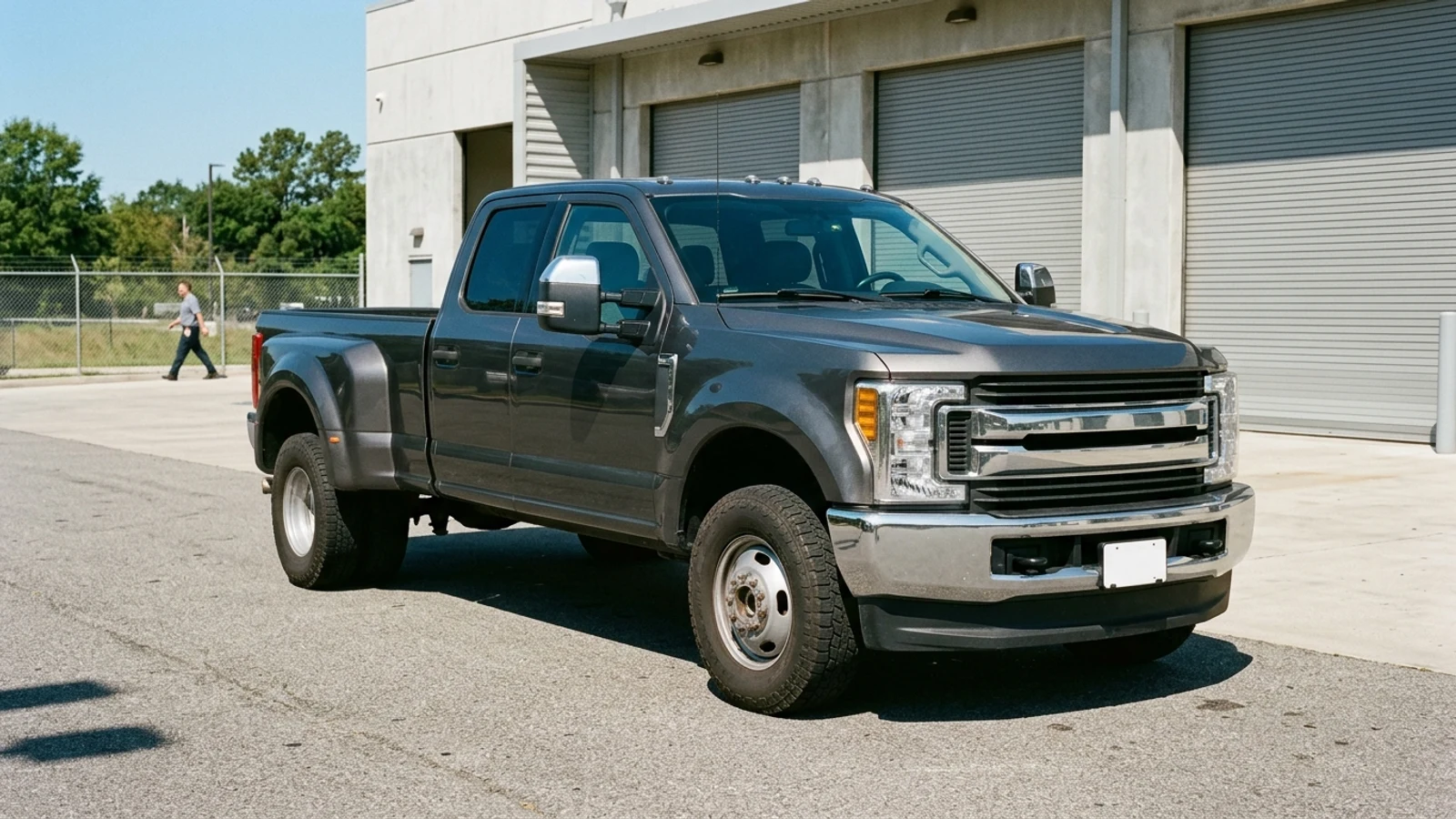
Reliable Diesel Truck Market Overview
As the prices of new trucks increasingly push into six-figure territory, the secondary market provides a necessary alternative for buyers seeking durability and performance. According to CarBuzz, while new budget-friendly options such as the Ford Maverick or the electric Ford Fathom exist, these often require significant compromises in capability. For buyers with a budget under $20,000, the used market offers a selection of robust, full-size and midsize diesel trucks that provide greater power and utility without the need for sacrifice. Source
The 2018 Nissan Titan XD stands out as a reliable, if often overlooked, choice within the $20,000 price point. Sitting between light-duty and heavy-duty classifications, it features a large bed and high capability. However, buyers should be aware of specific mechanical risks, as the Cummins turbo-diesel V8 engine has historically been known for occasional failures, exacerbated by potential issues with wiring harnesses and gear shifting, as reported by CarBuzz in their analysis of secondhand pickup trucks. Source
For those seeking higher payload and towing capacities, the 2016 GMC Sierra 2500HD is a strong contender. CarBuzz notes that it provides impressive torque and performance for its price. Despite its reliability, common issues include the potential for expensive high-pressure fuel pump failures, which can cost up to $15,000 to repair. Owners have also reported warnings from the trailer brake system and steering that feels excessively light or loose when traveling at highway speeds. Source
The 2019 Ford F-150 represents a refined option for those specifically looking for a used diesel pickup. CarBuzz reports that this model year shows significant improvements in reliability compared to the 2018 version. However, potential buyers should monitor for transmission problems, including harsh shifting, random downshifts, and loss of power. A full gearbox replacement, which is often the only permanent resolution to these specific mechanical failures, can reach costs as high as $9,000. Source
Within the Chevrolet lineup, the 2021 Silverado 1500 is identified as a preferable choice, being slightly more dependable than its 2020 predecessor. CarBuzz states that its Duramax diesel powertrain generally avoids the mechanical issues associated with the company’s gas-powered alternatives. Owners should still exercise caution regarding gearbox shuttering, gear slipping, and hard shifting, which are often indicative of a failing valve body, as well as potential glitches in the integrated trailer brake controller. Source
For buyers who prefer midsize trucks, the 2020 GMC Canyon is a reliable, high-performing option. Although it offers lower towing and payload capacities than full-size models, CarBuzz highlights its availability with modest mileage and clean service records. While systemic issues are relatively uncommon, owners have reported sporadic infotainment reboots, shuddering during acceleration, and delayed or harsh downshifts, which are important considerations for anyone shopping for a used unit in this specific segment. Source
The 2020 RAM 1500, equipped with the EcoDiesel engine, is also noted as a solid half-ton contender. CarBuzz indicates that its reliability represents a significant improvement over older generations. Nevertheless, known quirks include gas pedal unresponsiveness, momentary power loss during operation, and delayed transmission acceleration, particularly in warmer climate conditions. These factors should be weighed alongside the significant capability provided by the vehicle when comparing it to other half-ton diesel alternatives on the secondhand market. Source
Returning to the heavy-duty segment, the 2018 Chevrolet Silverado 2500HD remains a competitive choice. CarBuzz mentions its exceptional hauling capacity supported by the Duramax V8 engine's high torque. Potential buyers should inspect for a specific issue where a chemical or diesel fuel odor enters the cabin. Understanding these maintenance pitfalls, alongside the general performance characteristics of used diesel engines, is essential for any buyer looking to navigate the used truck market under a $20,000 budget. Source
New California Used Vehicle Return Protections
In addition to selecting a vehicle, buyers in California now have new legal protections for used car transactions. Under Senate Bill 766, also known as the California Combating Auto Retail Scams (CARS) Act, dealers are required to provide a three-day window for returning used vehicles priced at $50,000 or less for any reason. As reported by MotorBiscuit, this rule replaced a previous option that only mandated a two-day cancellation option for vehicles under $40,000, providing a significant cooling-off period for consumers. Source
The return policy has strict operational requirements. The three-day period begins the day after signing and ends when the dealership closes on the third day. MotorBiscuit clarifies that the vehicle must be returned in person, with no more than 400 miles added beyond the odometer reading at purchase, and must be free of buyer-caused damage. Dealers are permitted to charge a restocking fee calculated at 1.5% of the sale price, with a minimum of $200 and a maximum of $600, plus an additional $1 per mile over 250 miles. Source
This legislation applies specifically to used vehicles purchased or leased from a dealership. MotorBiscuit notes that it does not cover new vehicle sales, private-party transactions, motorcycles, or commercial vehicles with a gross vehicle weight rating of 10,000 pounds or more. Furthermore, vehicles priced above $50,000 are excluded from this mandate. Dealers are obligated to provide a specific form titled 3-Day Right to Cancel Used Car Purchase or Lease, which outlines the deadline and fee structure for the return. Source
Additional regulations under the CARS Act mandate increased transparency for California car buyers. The California DMV now requires dealers to display the total price of a vehicle in all advertisements and initial communications. MotorBiscuit reports that dealers are also prohibited from charging for add-on services that offer no tangible benefit to the consumer, such as oil-change plans for all-electric vehicles. These measures aim to protect buyers from predatory practices throughout the retail process in the state. Source

