
Cold Weather Battery Challenges
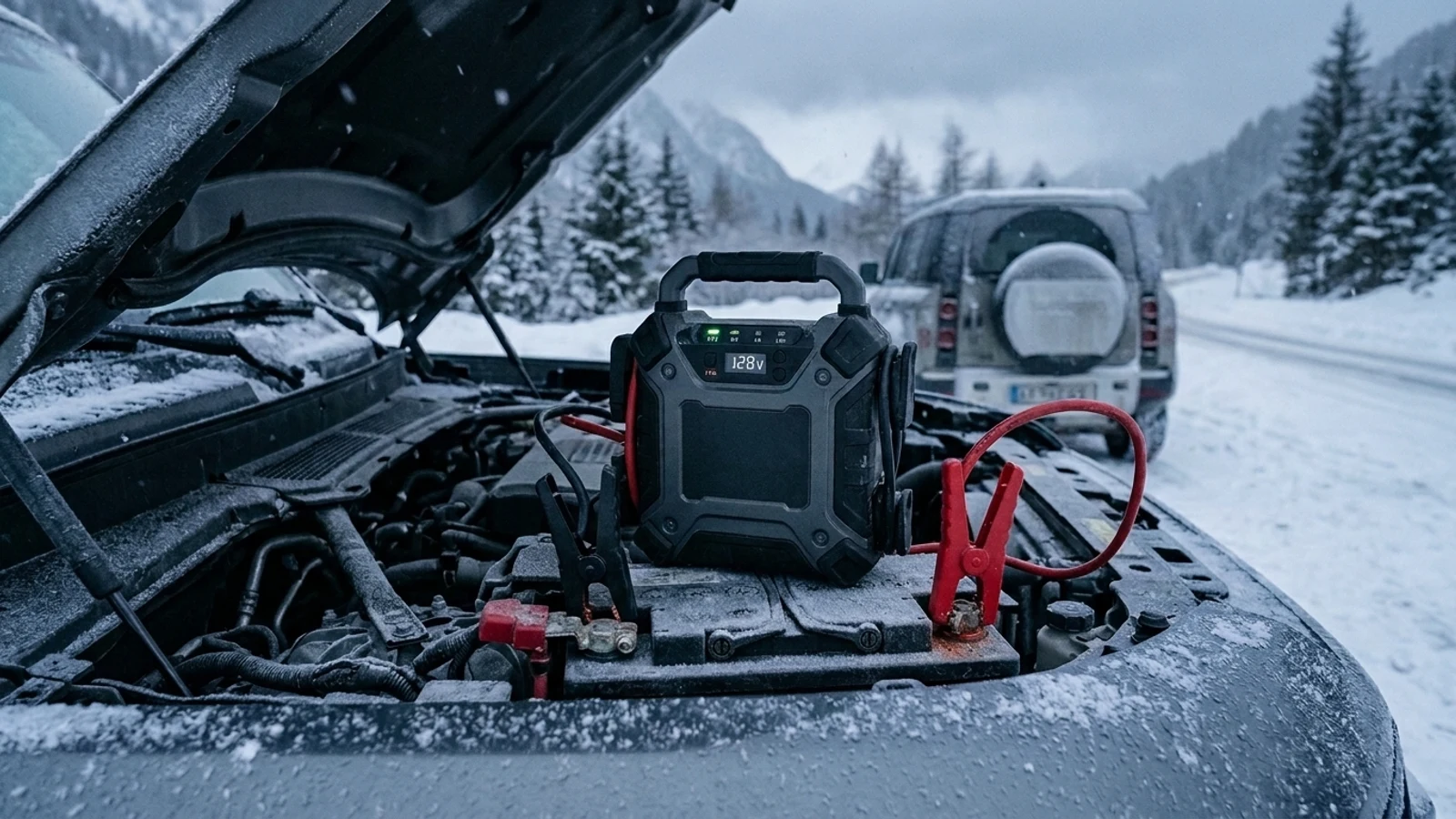
As winter conditions approach, the reliability of lead-acid vehicle batteries often faces significant strain. When temperatures drop, the chemical reactions required to generate starting current inside these batteries slow down, which inherently reduces their effectiveness. This phenomenon often coincides with increased mechanical resistance within the engine itself, placing a much higher burden on the electrical system than is experienced during warmer months of the year. The combination of these factors creates a higher risk for engine no-start scenarios. Source
Beyond external temperature, everyday usage patterns influence battery health and readiness. Frequent short trips are a noted concern because they may not provide sufficient time for the vehicle alternator to fully restore the energy expended during the initial startup process. Furthermore, extended periods of parking can lead to gradual discharge caused by the power draw from onboard electronics, security systems, and various aftermarket electrical accessories, which collectively contribute to the risk of a failure to start. Source
Ancel has introduced its Super Starter series, including models BS200, BS300, and BS400, to address these recurring issues. These devices are designed for permanent installation, connecting directly to the vehicle electrical system to provide supplemental current during engine cranking. Unlike traditional portable jump starters that rely on internal lithium batteries, these units utilize supercapacitors to store energy electrostatically. This configuration is intended to keep auxiliary starting support available onboard, eliminating the need to connect a pack. Source
The Super Starter series provides different capacity levels to match engine requirements. Each model features a specific peak current output suited for varying engine displacements across both gasoline and diesel platforms. The technical specifications for these models are detailed below to assist owners in selecting the appropriate hardware for their specific vehicle requirements. It is important to note that these figures represent manufacturer-stated capabilities and do not replace professional vehicle maintenance or diagnostic checks. Source
| Model | Peak Current | Gasoline Engine Limit | Diesel Engine Limit |
|---|---|---|---|
| BS200 | 700A | Up to 3.0L | Up to 2.5L |
| BS300 | 1000A | Up to 3.5L | Up to 3.0L |
| BS400 | 1300A | Up to 6.0L | Up to 6.0L |
Monitoring and Operational Limitations
Beyond starting assistance, these units integrate battery monitoring capabilities. Each device connects via Bluetooth to a mobile application, enabling the user to monitor battery voltage and view the status of the installed equipment. This functionality is intended to allow drivers to identify potential issues, such as voltage drops following periods of inactivity or after short trips. This monitoring approach serves as a tool for proactive vehicle maintenance, allowing users to potentially address problems before they escalate. Source
While these devices offer supplemental assistance, they possess distinct operational boundaries. Ancel explicitly states that the Super Starter series is not a battery charger, nor is it a battery maintainer. The device cannot repair a battery that has already reached the end of its life, nor can it rectify issues caused by a faulty alternator. If the main battery is severely damaged or deeply discharged, the device may not be able to provide the necessary support to successfully complete the engine ignition process. Source
The utility of these devices is influenced by several variables beyond the equipment itself. Real-world performance depends heavily on the condition of the existing vehicle battery, the ambient temperature, the specific installation quality, and the electrical requirements of the vehicle. Although the device is designed to share the load during cranking, its success relies on the health of the primary starting system. Users should view this as a supplemental tool rather than a replacement for conventional maintenance. Source
Ancel's survey of 114 users identified several recurring driver challenges. A total of 60 respondents reported noticing a low battery charge after parking their vehicles, while an equal number suspected that parasitic drain was responsible for the issue. Additionally, 31 respondents noted problems stemming from insufficient recharging after short trips, and 22 reported direct difficulties related to cold weather starting. These findings underscore the broader context of battery management problems that intersect with winter starting concerns. Source
Driver experiences in Canada highlight practical usage cases. For instance, the owner of a 2014 Acura ILX reported needing to jump-start or recharge their battery due to issues encountered after parking for several days. After installing the BS200 model, the owner reported improved starting performance and utilized the application for monitoring. In a separate instance, a 2012 Subaru Impreza owner utilized a BS200 as a preventative measure when temperatures dipped below -30°C (-22°F), particularly when away from block heater access. Source
These user anecdotes serve to illustrate how drivers navigate cold weather, though the company emphasizes that these reports do not constitute controlled performance tests. Variability in results is expected based on the unique battery and vehicle configurations present in different environments. The primary goal of the Super Starter series is to provide a layer of backup for drivers concerned about being stranded in freezing conditions, provided the battery has not already suffered catastrophic failure that prevents any starting attempt. Source
Ultimately, the manufacturer advises that proper winter preparation remains comprehensive. Before the onset of freezing weather, it is recommended that vehicle owners inspect electrical connections, verify the health of the charging system, and investigate any known parasitic drain. By combining these standard maintenance practices with the supplemental power offered by the Super Starter series, drivers may find an additional, albeit not foolproof, method to help improve their vehicle reliability when facing the challenges of seasonal cold. Source

