
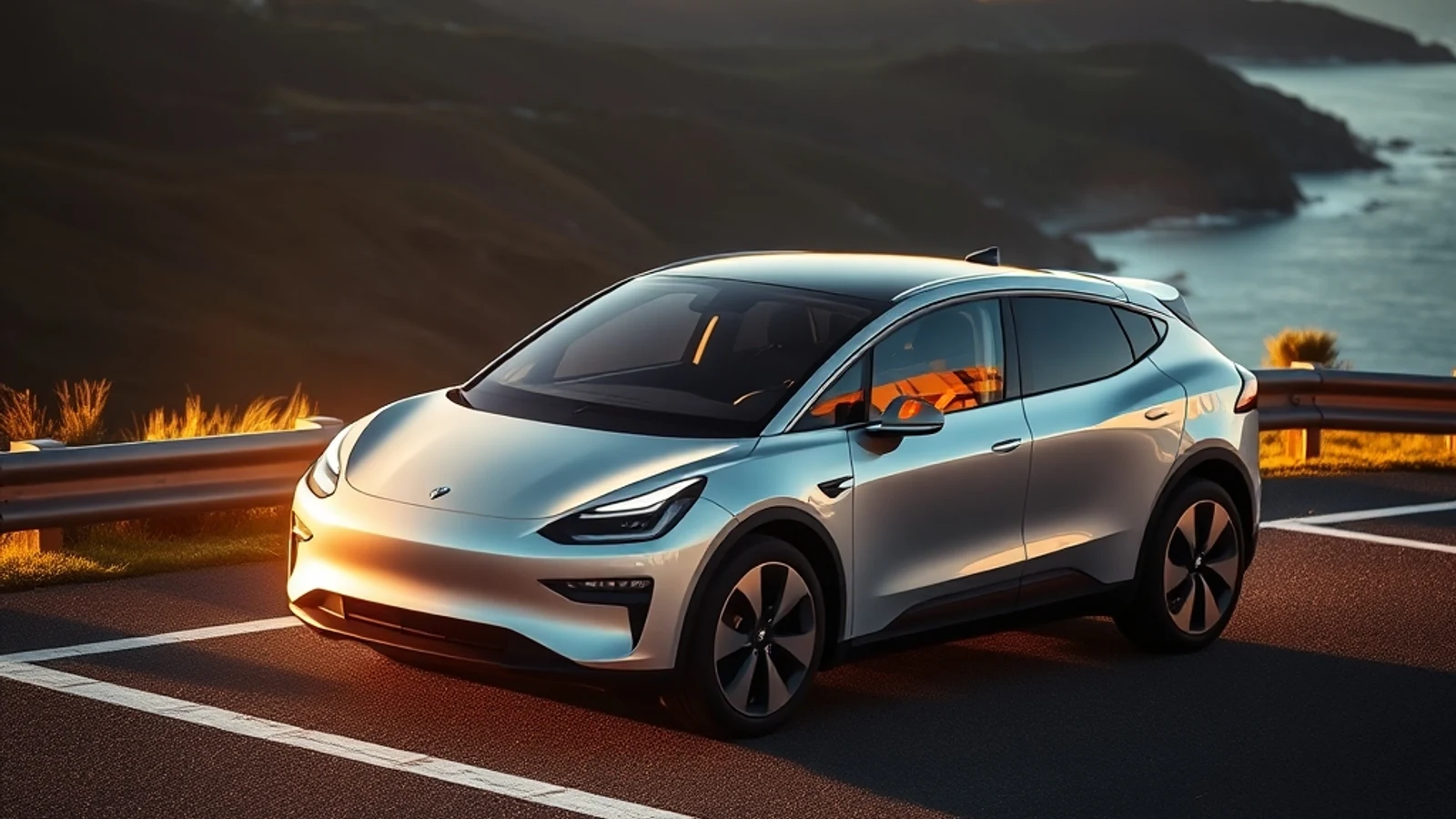
The 2026 Chevrolet Blazer EV SS represents the newest chapter in the brand's long-running Super Sport (SS) lineage, a badge that has appeared on diverse vehicles since the 1960s. While historical models like the Chevelle, Impala, and Camaro defined the performance standard, the modern electric Blazer EV SS introduces unprecedented acceleration capabilities for a family-focused SUV. According to Car and Driver, the electric variant significantly outperforms its gasoline-powered predecessors on the drag strip, establishing a new performance benchmark for the series. Source
Performance Specifications and Track Results
Performance figures for the 2026 Blazer EV SS are marked by high output and swift delivery. The electric powertrain produces 615 horsepower and 650 pound-feet of torque. In track testing, the vehicle achieves a 0-60 mph time of 3.3 seconds and completes the quarter-mile in 11.8 seconds. These metrics exceed those recorded for the automatic 2019 Camaro SS, which required 3.9 seconds to hit 60 mph and 12.2 seconds for the quarter-mile run, according to Car and Driver's evaluations. Source
Chevrolet offers an optional $395 performance package for the 2026 Blazer EV SS. This bundle includes 22-inch summer tires paired with high-friction brake rotors and pads. The front brake hardware features 15.3-inch rotors clamped by six-piston Brembo calipers. Testing confirms this configuration results in a 157-foot stop from 60 mph. These components are designed to enhance the handling and stopping power of the electric SUV, complementing its straight-line speed. Source
The historical application of the SS badge by Chevrolet has been inconsistent, ranging from legendary muscle cars to models deemed insufficient by enthusiasts. Historically, the brand established the trim in the 1960s with iconic nameplates including the Impala, Chevelle, Camaro, and Nova. However, later iterations saw varying levels of success. Some models, such as the 2006 Trailblazer SS, integrated high-performance components like a 395-hp engine to achieve a 5.5-second 0-60 mph sprint. Source
Other historical SS models faced criticism regarding their performance credentials. The Cobalt SS, for instance, fluctuated between variants: a supercharged version with 205 horsepower and later 260 horsepower, and a lower-tier naturally aspirated version that produced only 170 horsepower. Chevrolet eventually rebranded the latter as the Cobalt Sport. Similarly, the front-wheel-drive Impala SS of the mid-2000s, featuring a 303-hp LS engine, was cited for handling issues such as significant torque steer and body roll. Source
Historical Context and Collector Value
Classic Chevrolet models remain highly sought after by collectors, with auction prices reflecting their historical significance and restoration quality. For example, a 1972 Chevrolet K5 Blazer Custom, which underwent an exhaustive restoration to include an LS3 V8 engine producing 525 horsepower, sold for $247,500 at a 2023 Barrett-Jackson auction. The build featured custom off-road suspension and modern interior appointments, showcasing a high level of detail consistent with modern restomod practices. Source
Auction results for classic vehicles often vary based on the extent of modifications and restoration. A 1960 Corvette, restored over seven years by a European specialist at an estimated cost of more than €650,000—approximately $735,000 at 2017 rates—sold for $161,800 at a 2023 Bonhams auction. This vehicle featured modern updates like power steering and air conditioning to facilitate daily driving. Other significant sales include a 1968 Yenko Camaro RS/SS, which fetched $357,000 at a 2023 Mecum event. Source
The evolution of the Blazer nameplate includes both vintage off-road models and contemporary electric vehicles. While the Blazer EV SS focuses on performance-oriented electric driving, early vehicles like the 1957 Bel Air and 1958 Impala established the aesthetic foundation of the brand. The 1958 Impala, characterized by its special Anniversary Gold paint, sold for $109,200 at a 2023 Bonhams auction. These figures highlight the enduring demand for both original and highly modified classic Chevrolets. Source
Comparison of various Chevrolet models demonstrates the range of performance benchmarks. The following table highlights key specifications for selected models as identified in provided reports: Source
| Model | Engine/Powertrain | Power | 0-60 mph (sec) |
|---|---|---|---|
| 2026 Blazer EV SS | Electric Motor | 615 hp | 3.3 |
| 2019 Camaro SS (Auto) | V-8 | N/A | 3.9 |
| 2006 Trailblazer SS | V-8 | 395 hp | 5.5 |
| 1972 K5 Blazer (Custom) | LS3 V-8 | 525 hp | N/A |
The interior of the 2026 Blazer EV SS maintains similarities with other Blazer EV models, featuring SS branding on seats and the steering wheel. Although Car and Driver noted the use of plastic trim on lower doors, the report highlights the inclusion of GM's Super Cruise driver assistance system. The vehicle balances high-performance EV hardware with daily utility, aiming to justify the SS badge through its objective acceleration and braking statistics rather than purely cosmetic upgrades. Source
In conclusion, the 2026 Blazer EV SS aligns with the SS philosophy by providing accessible, high-output performance. While enthusiasts may debate the application of the badge to an electric SUV, the objective data indicates that the current model meets the acceleration targets that have historically defined the top-tier Chevrolet performance trims. The vehicle effectively transitions the SS nomenclature into the electric vehicle sector while maintaining design cues that differentiate it from the base-trim SUV models. Source

