
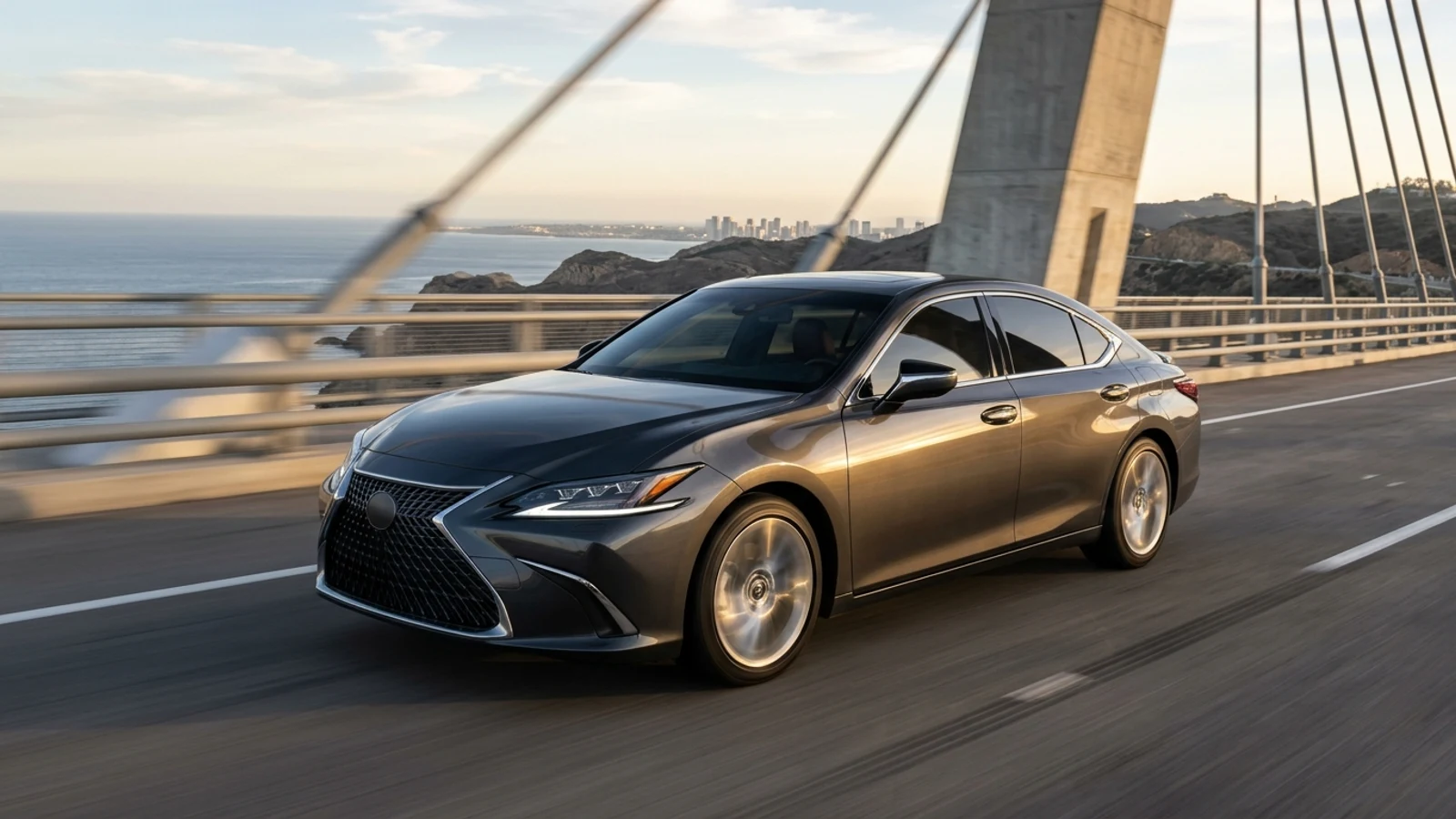
Performance and Acceleration Analysis
The 2026 Lexus ES model year introduction has brought a comprehensive overhaul to the brand's established luxury sedan. A central component of this redesign is a thoroughly updated hybrid powertrain. While the changes appear modest when reviewed on paper, testing reveals a significant performance improvement over the outgoing generation. The latest hybrid variant demonstrates a clear increase in speed, challenging initial expectations regarding the impact of the car's updated weight and structural changes. Source
According to data from Car and Driver, the 2026 Lexus ES350h equipped with all-wheel drive successfully completed a sprint to 60 mph in 6.6 seconds. This represents a substantial performance jump when placed alongside the 2023 Lexus ES300h F Sport Handling model, which the same testers recorded as achieving the same 60-mph benchmark in 7.9 seconds. This difference highlights the tangible gains in powertrain efficiency and traction application achieved by the engineers in the newer model. Source
A key factor in this performance shift is the inclusion of an all-wheel-drive system, which is now available for the first time on the gas-electric ES. This system provides enhanced traction during initial acceleration, which helps the vehicle compensate for its increased mass. The 2026 model weighs 352 pounds more than the prior generation, yet this added weight does not prevent the vehicle from outperforming its predecessor in straight-line testing scenarios, thanks to multiple mechanical adjustments. Source
The internal combustion component of the powertrain has also seen an increase in output. The 2.5-liter four-cylinder engine now produces 244 horsepower, a rise from the 215 horsepower found in the 2023 version. Furthermore, the hybrid system utilizes a larger and more capable electric drive motor to complement the engine. These power upgrades work in tandem to support the sedan's improved acceleration, even when factoring in the significant weight increase present in the 2026 design. Source
To improve low-end torque delivery, Lexus adjusted the vehicle's axle ratio. The new generation transitions from a 3.39:1 ratio to a 3.44:1 ratio. This modification effectively provides more power to the wheels during acceleration from a standstill, ensuring the car remains responsive off the line. Coupled with a larger hybrid battery pack capable of providing greater peak horsepower, these individual enhancements allow the 2026 ES to maintain its position as a competitive hybrid sedan despite the added heft. Source
Technical Specifications and Comparative Data
The full redesign extends beyond the powertrain, as the 2026 Lexus ES also features updated exterior styling and a longer wheelbase. While these aesthetic and structural changes are notable, the measurable improvement in acceleration remains the most significant technical takeaway from early testing. The manufacturer's focus on refining the hybrid architecture and increasing motor output has successfully countered the challenges of increased vehicle weight to deliver a more responsive driving experience. Source
The following table compares the recorded performance and powertrain specifications between the 2023 and 2026 Lexus ES hybrid models based on test results provided by Car and Driver. These figures reflect the specific trims evaluated during their testing procedures, which the publication has conducted to quantify the impact of the engineering changes introduced for the new model year. Source
| Feature | 2023 Lexus ES300h | 2026 Lexus ES350h AWD | :--- | :--- | :--- | | 0-60 mph Time | 7.9 seconds | 6.6 seconds | | Engine Power | 215 hp | 244 hp | | Axle Ratio | 3.39:1 | 3.44:1 | Source
The combination of a more powerful combustion engine, an upgraded electric drive motor, and a revised axle ratio represents a holistic effort to improve the hybrid sedan's performance profile. Although each modification may seem incremental, the cumulative effect is a reduction of over one second in the 0-60 mph sprint. As drivers and buyers evaluate the 2026 model, these figures serve as empirical evidence of the performance characteristics of the latest hybrid system compared to its predecessor. Source
Lexus continues to refine the ES line, with the 2026 updates aimed at modernizing the platform. The commitment to maintaining a hybrid presence in the luxury sedan segment is clear, as is the effort to ensure the car's power-to-weight performance remains competitive. The inclusion of all-wheel drive, previously absent from the hybrid configuration, is expected to be a significant interest point for potential buyers in varying climates who require the added traction provided by the new system. Source
While further long-term testing and real-world usage will eventually provide a more comprehensive view of the 2026 Lexus ES, the objective data points regarding its initial acceleration demonstrate a clear shift. The decision to prioritize motor output and gear ratio adjustments suggests a specific engineering focus on improving the vehicle's punchiness and responsiveness under typical driving conditions. Buyers should note that while the car is faster, it also carries a significant weight penalty compared to the older version. Source
In conclusion, the 2026 Lexus ES hybrid represents a meaningful step forward in powertrain performance for the model line. Through the integration of a more potent four-cylinder engine and a larger, more effective electric drive motor, Lexus has managed to improve acceleration metrics significantly. These technical advancements, paired with a revised axle ratio and the introduction of all-wheel drive, provide a comprehensive update that addresses the demands for increased power and utility in the current luxury market. Source

