
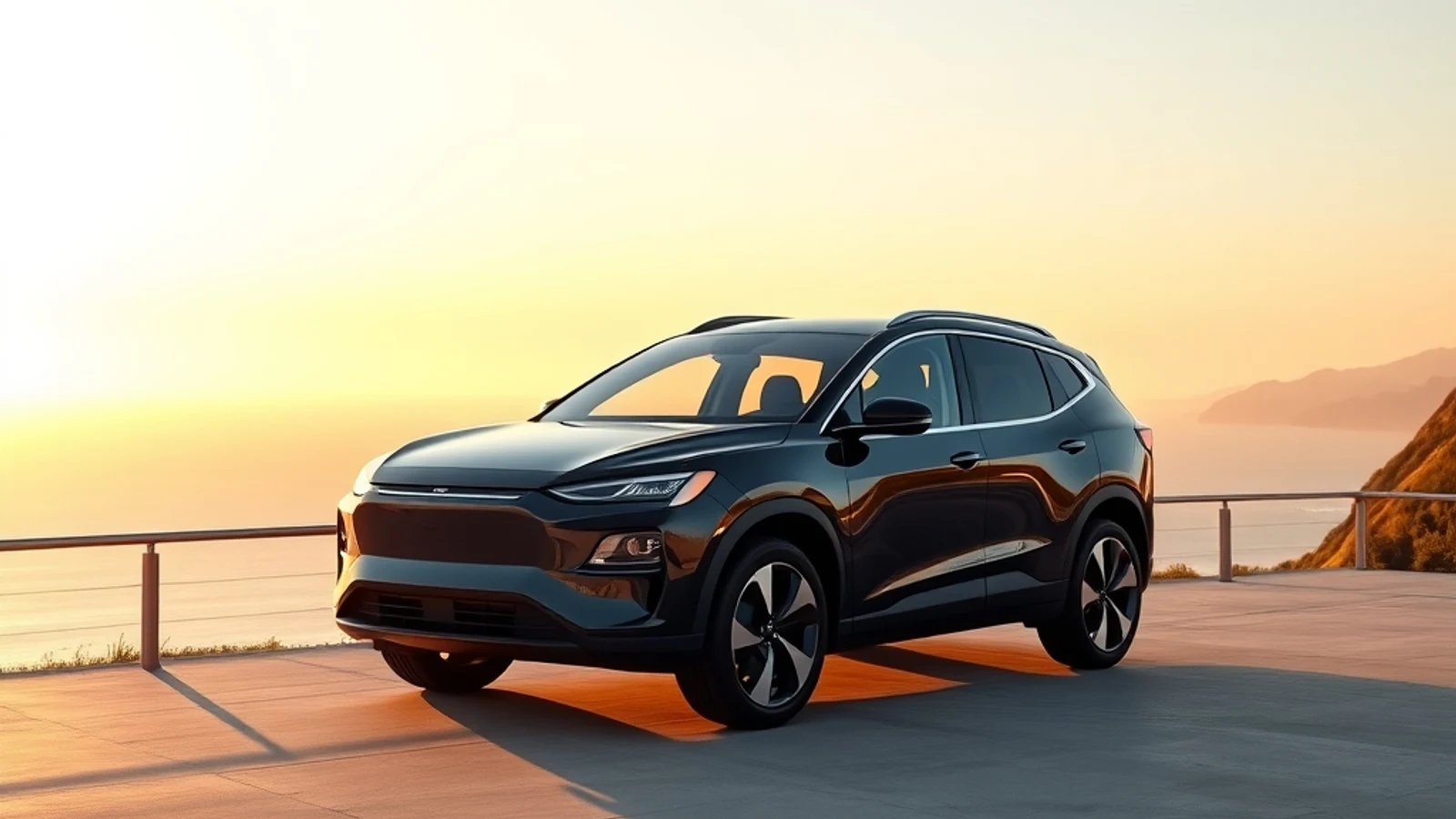
The 2026 Porsche Cayenne Electric portfolio has expanded to include both traditional SUV and coupe body styles, providing customers with a choice between practical utility and a more stylized roofline. The coupe variant, which Porsche design language likens to the silhouette of the 911, features a slightly improved drag coefficient of 0.23 compared to the SUV's 0.25. While these two body styles share identical powertrain architectures and trim configurations, the coupe model includes a liquid-crystal panoramic sunroof and the Sport Chrono package as standard equipment to distinguish its market offering. Source
Porsche distinguishes the coupe's performance aesthetic with the optional Lightweight Sport package. This configuration replaces the standard panoramic glass roof with a carbon fiber panel and upgrades the vehicle with 22-inch wheels paired with Pirelli PZero R tires. Although this package reduces the vehicle weight by 39 pounds—representing a 0.7 percent reduction of the total mass—it serves primarily as a visual and performance-oriented refinement for buyers seeking a more bespoke vehicle configuration during their purchase. Source
The performance specifications of the 2026 Cayenne Electric are categorized by trim, with the top-tier Turbo variant producing a maximum output of 1,156 horsepower. The mid-range S trim provides 657 horsepower, while the entry-level base model offers 435 horsepower. The Turbo model is capable of reaching 100 km/h from a standstill in 2.5 seconds when launch control is engaged. Across all variants, the vehicle utilizes a dual-motor all-wheel-drive powertrain, managed by advanced torque distribution systems to handle the significant performance output. Source
Charging and battery technology represent central components of the 2026 Cayenne Electric specifications. The vehicle is equipped with a 113 kWh high-voltage battery architecture that supports 800V ultra-fast charging, allowing for a 10% to 80% charge duration of under 16 minutes. For convenience, Porsche offers an optional 11 kW wireless charging system. Furthermore, the regenerative braking system is rated for up to 600 kilowatts, which the manufacturer states can manage 97% of everyday braking requirements without intervention from the mechanical brake system. Source
Technical Specifications and Market Positioning
The following table compares key technical and pricing metrics between the 2026 Cayenne Electric and other relevant industry benchmarks reported for the model year. Source
The interior technology suite in the 2026 model year focus centers on a curved 12.3-inch OLED infotainment display. This display is segmented to accommodate physical buttons for essential functions, complemented by a 14.3-inch curved gauge cluster for the driver and an optional 14.9-inch screen dedicated to the passenger. Despite the heavy emphasis on digital interfaces, Porsche has retained physical controls for HVAC temperature, fan speed, and volume, which have been noted for their ease of use in diverse driving environments. Source
The suspension system incorporates Porsche Active Ride and Porsche Torque Vectoring Plus. These technologies allow the vehicle to distribute power independently to the rear wheels during cornering while the active suspension generates force to minimize body roll. In Comfort mode, the system automatically adjusts the suspension to compensate for road irregularities, providing a ride quality that maintains the brand's intended sports car character despite the electric powertrain's high curb weight of approximately 2.7 tons. Source
In the South Korean market, pricing reflects the brand's strategy of prioritizing high-performance value. Domestic registration figures for October reached 199 units shortly after the local launch. The local market strategy for the 2026 Cayenne is defined by the 'Power of Choice' approach, which maintains a portfolio including internal combustion engines, hybrids, and electric vehicles to accommodate varying customer requirements while focusing on brand equity and electrification adoption. Source
Warranty and support structures vary by region and model class. The 2026 Cayenne Electric is covered by a 48-month or 80,000 km comprehensive warranty, a 48-month or 80,000 km powertrain warranty, and 48 months of roadside assistance. This differs from other luxury SUVs in the segment, which may offer shorter or longer terms depending on the specific manufacturer's regional obligations. These coverage details provide buyers with long-term maintenance assurance for the electrified powertrain components. Source
Practicality remains a factor for the coupe body style, which provides a trunk capacity of 534 liters, increasing to 1,347 liters when the rear seats are folded. While this is less than some traditional SUV configurations, it remains consistent with the design goals of the coupe segment. The vehicle includes standard features such as memory seats, wireless charging pads, and in-car Wi-Fi, alongside safety equipment including a comprehensive airbag system with ten units covering front, side, curtain, and knee areas. Source
Comparing the Cayenne Electric to smaller, lower-cost electric options highlights the extremes of the current German EV spectrum. While compact city vehicles focus on accessibility with 52 kWh batteries and front-wheel drive, the Cayenne leverages its large battery and dual-motor all-wheel-drive system to provide around 620 kilometers of range on a single charge. The engineering complexity of the Cayenne reflects its positioning as a high-performance, long-distance utility vehicle rather than an urban-focused commuter. Source
Market Performance and Ownership Considerations
The 2026 Cayenne Turbo Electric occupies a significant price and performance bracket in the luxury SUV sector. With MSRP starting points in the six-figure range, the model competes with high-end electric and internal combustion vehicles. Its performance on the track, including the ability to take corners at speeds exceeding 80 km/h with stable steering, confirms its focus on maintaining the Porsche sports car identity throughout the ongoing transition to electrification technology. Source

