Exterior Design and Model Rollout
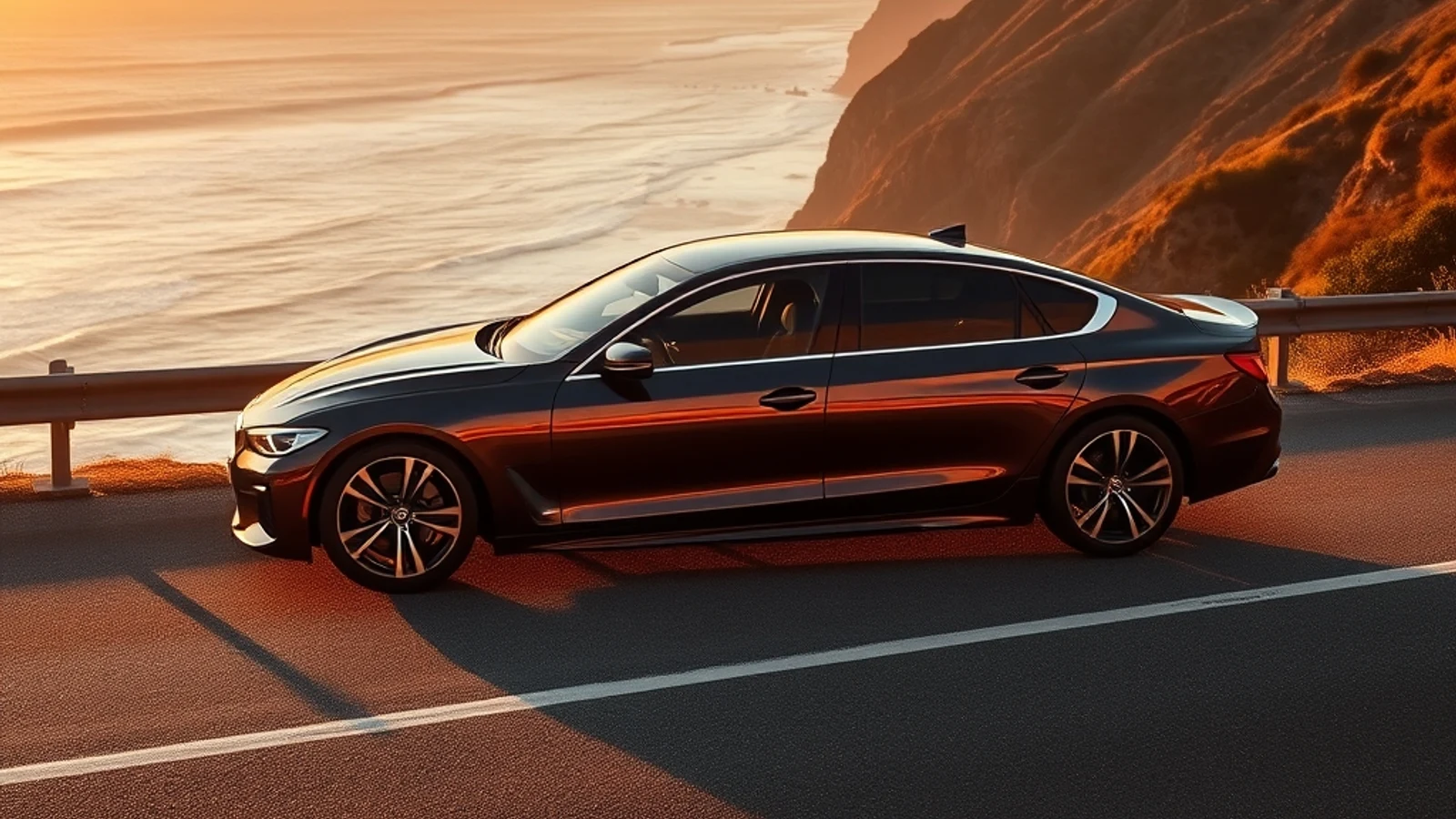
Hyundai has officially detailed the redesign of its Elantra compact sedan line. The gasoline-powered 2027 model serves as the initial release in this updated product cycle, establishing a new visual direction for the company. While the previous iterations were already known for their bold aesthetic, this generation leans further into aggressive design cues. The vehicle’s front fascia is now characterized by split headlamps and slim daytime running lights, paired with a muscular hood and a rectangular grille theme. Source
Exterior Design and Model Rollout
The exterior transformation continues toward the rear, where the sedan incorporates a boxier, more rugged stance. The side profile benefits from pronounced wheel arches and prominent body cladding, which are intended to provide an SUV-like presence. A flat roofline merges with triangular rear quarter glass, maintaining an old-school sedan character while incorporating modern touches like semi-recessed door handles and thin mirrors. At the rear, the vehicle displays a wide appearance through split taillights that form an H-shape signature. Source
The 2027 gas-powered Elantra utilizes a 2.0-liter inline-four engine paired with a continuously variable automatic transmission. This powertrain setup is rated at 147 horsepower. Hyundai has indicated a fuel economy target of approximately 35 mpg in combined driving conditions for the gasoline model when equipped with 16-inch wheels. Final EPA certification for these efficiency figures is currently pending, though the manufacturer remains focused on these performance targets for the upcoming retail launch. Source
Following the launch of the gasoline variant, the 2028 Hyundai Elantra Hybrid is confirmed for the U.S. market. This hybrid model, which premiered at the 2026 Busan Mobility Show as the new Avante, represents a significant update to the electrified sedan platform. The hybrid system has been revised to pair a 1.6-liter four-cylinder engine with a six-speed dual-clutch automatic transmission. Combined total output for this system is officially rated at 155 horsepower, an increase over the previous 139 horsepower configuration. Source
Efficiency gains in the hybrid model are supported by an upgraded battery pack. The 2028 Elantra Hybrid transitions to a 1.49 kWh battery, replacing the 1.32 kWh unit found in the outgoing 2026 model. Hyundai is targeting a combined fuel economy of 53 mpg for this hybrid powertrain. While this target is 1 mpg lower than the EPA rating of the 2026 Elantra Hybrid Blue, the company maintains that the updated transmission structure and enhanced traction motor output contribute to overall improvements. Source
Interior and Technology Specifications
Inside the cabin, the 2027 and 2028 Elantra models adopt a lounge-like interior design. The dashboard, center console, and door armrests utilize curved forms. Drivers are presented with a squircle-shaped steering wheel featuring an oblong center pad with Hyundai's branding in Morse code. Practicality is emphasized through the retention of physical climate and volume controls beneath the primary infotainment screen, ensuring that frequent functions remain accessible without needing to interact with the touchscreen interface exclusively. Source
Technological integration centers on the Pleos Connect infotainment system, which operates on the Android Automotive OS. All hybrid models are equipped with a 12.9-inch touchscreen, while the SEL Sport and Limited trims receive an additional 9.9-inch instrument display. The system supports over-the-air updates, wireless Apple CarPlay, and wireless Android Auto. Furthermore, the vehicle provides front USB-C ports that share up to 100 watts of power, along with an available Gleo AI voice assistant to manage vehicle functions. Source
The Limited Hybrid trim level offers expanded premium features, including a 12-speaker audio system developed by Bang & Olufsen and the Digital Key 2 Premium system. Interior comfort is supported by electrically adjustable front seats with heating and ventilation. Rear seat passengers have access to specific charging ports, with U.S.-spec models receiving two 27-watt USB-C ports. The rear cabin also includes height-adjustable headrests, dual air vents, and map lights integrated into the roof grab handles for added passenger utility. Source
Detailed measurements for the U.S.-spec 2028 Elantra Hybrid indicate a length of 188.8 inches, a width of 73.0 inches, and a height of 56.3 inches. The wheelbase is 108.3 inches. The gasoline model is slightly shorter in height, at 56.1 inches. These dimensions provide 39.1 inches of rear legroom and 37.7 inches of rear headroom. Practicality is further enhanced by Stay Mode, which allows occupants to maintain climate control and infotainment usage while the vehicle is parked with the engine off. Source
Comparison of performance specifications between the gas and hybrid versions reveals distinct drivetrain architectures. The gasoline model relies on a torsion-beam rear axle, whereas the hybrid model features an independent multi-link rear suspension designed to manage the additional weight of the electrified system. The hybrid version also includes paddle shifters behind the steering wheel, offering the driver manual control over the gear ratios provided by the six-speed dual-clutch transmission during operation. Source
The following table outlines the powertrain and structural differences between the 2027 gas model and the 2028 hybrid model as specified by the manufacturer's initial product details. These figures reflect the primary differences between the trims currently confirmed for the North American market. Source
| Feature | 2027 Elantra (Gas) | 2028 Elantra (Hybrid) |
|---|---|---|
| Engine | 2.0L Inline-4 | 1.6L Inline-4 |
| Transmission | Continuously Variable | 6-speed Dual-Clutch |
| Total Horsepower | 147 HP | 155 HP |
| Battery Capacity | N/A | 1.49 kWh |
| Rear Suspension | Torsion-beam | Multi-link |