
New Design and Model Availability
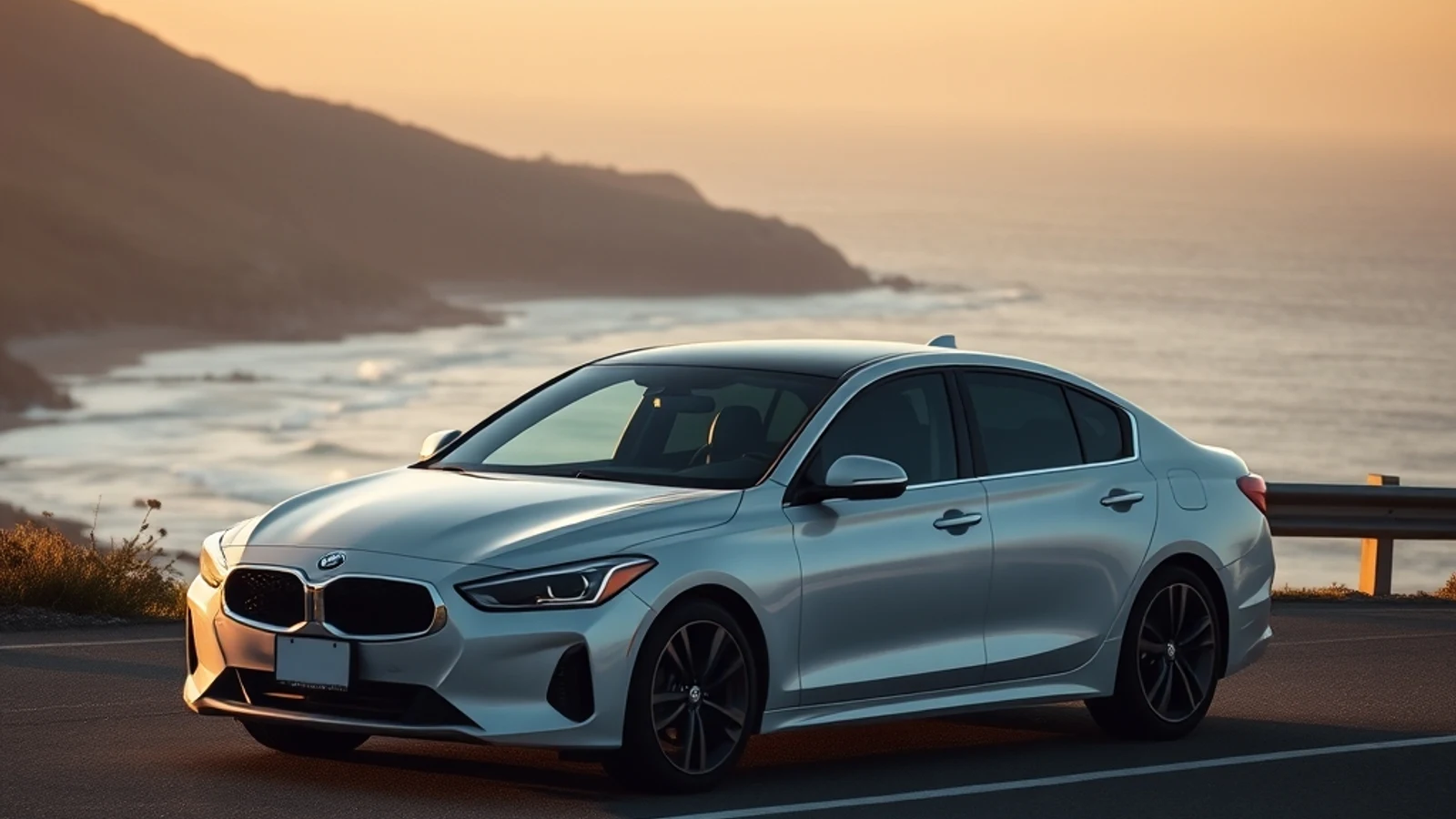
Hyundai introduced the eighth-generation Elantra at the 2026 Los Angeles Auto Show, marking a significant update for the compact sedan. The new lineup includes both gasoline and hybrid variants, with the standard gasoline-powered 2027 model reaching the market first. The 2028 model year will follow with the introduction of the redesigned hybrid version. These vehicles incorporate the manufacturer's Art of Steel design philosophy, which emphasizes flat surfaces, sharp creases, and more muscular proportions. Source
The latest Elantra iteration is larger than its predecessor, featuring an overall length of 188.8 inches, a width of 73.0 inches, and a height of 56.1 inches. Its wheelbase has been extended by 1.2 inches to 108.3 inches, a change that the automaker states improves rear-seat passenger space. Interior dimensions highlight a rear legroom of 39.1 inches and rear headroom of 37.7 inches, with the cabin design drawing inspiration from Hyundai's electric vehicle portfolio. Source
Powertrain and Performance Specifications
The gasoline-powered 2027 Elantra utilizes a 2.0-liter four-cylinder Atkinson-cycle engine. This unit produces an estimated 147 horsepower and 132 pound-feet of torque. Power is delivered to the front wheels through an Intelligent Variable Transmission, which has been updated with a wider ratio range and decreased internal friction. Hyundai targets a combined fuel economy of 35 mpg for models equipped with 16-inch wheels, though official EPA ratings are pending. Source
For the 2028 model year, the Elantra Hybrid receives a more substantial powertrain upgrade. It pairs a 1.6-liter four-cylinder engine with an electric motor that now outputs 45 kilowatts, up from the 32 kilowatts found in the outgoing model. The total system output is 155 horsepower. Additionally, the high-voltage battery capacity has been increased to 1.49 kilowatt-hours, up from 1.32 kilowatt-hours. The hybrid variant is equipped with a six-speed dual-clutch transmission. Source
The hybrid and nonhybrid models show specific differences in mechanical configuration beyond their power units. The hybrid variant features a multi-link independent rear suspension, which distinguishes it from the torsion-beam setup utilized in the gasoline-powered model. These technical updates are designed to enhance the efficiency and refinement of the vehicle lineup, although official performance data and final fuel economy figures remain subject to future confirmation by the automaker. Source
Technological integration represents a key focus for the new Elantra, featuring the Pleos Connect infotainment platform based on Android Automotive OS. The system centers on a standard 12.9-inch Full HD touchscreen, with an optional 14.6-inch screen available on higher trims. The platform supports wireless Apple CarPlay, Android Auto, and over-the-air software updates. A new Gleo AI voice assistant, powered by a large language model, is included to handle natural-language commands and contextual queries. Source
Dashboard design in the new Elantra incorporates rounded, furniture-inspired elements similar to those found in the Hyundai Tucson. The cabin maintains physical controls for frequently used climate and audio functions. Higher trim levels provide amenities such as heated and ventilated front seats, memory power seating, a power moonroof, and ambient lighting. The center console provides a single-level layout equipped with two wireless charging pads for devices. Source
Driver information is presented through a slim gauge display positioned forward of the steering wheel. However, MotorTrend notes that entry-level models may not include this specific secondary display, requiring drivers to rely solely on the central infotainment screen for speed and turn signal information. The interface divides the central screen into a 30/70 split, dedicating the left section to primary vehicle data and the right section to infotainment and navigation. Source
Safety and convenience features are standard across the range, including automated emergency braking, adaptive cruise control, blind-spot monitoring, and a driver-attention monitor. For cargo needs, the trunk capacity is officially listed at 16.9 cubic feet for the gasoline model and 16.5 cubic feet for the hybrid variant. The seats include a 60/40 split-folding rear back, and the cabin is configured to accommodate both forward- and rear-facing child seats. Source
The following table outlines the key differences between the gasoline-powered 2027 model and the 2028 hybrid variant as reported by the manufacturer. Source
| Feature | 2027 Elantra (Gas) | 2028 Elantra Hybrid |
|---|---|---|
| Engine | 2.0L 4-Cylinder | 1.6L 4-Cylinder Hybrid |
| Transmission | Intelligent Variable | 6-Speed Dual-Clutch |
| System Power | 147 hp | 155 hp |
| Rear Suspension | Torsion Beam | Multi-link Independent |
| Cargo Space | 16.9 cu ft | 16.5 cu ft |
Pricing for both the 2027 Elantra and 2028 Elantra Hybrid remains unannounced. Hyundai has confirmed that pricing, final fuel economy ratings, and specific launch dates will be released closer to the time of retail availability. Current owner benefits include a 10-year/100,000-mile powertrain warranty and three years of complimentary scheduled maintenance. The vehicles are intended for the US market, with trim configurations divided into base, mid-tier, and premium levels. Source

