
Electric Crossover Performance and Range Specifications
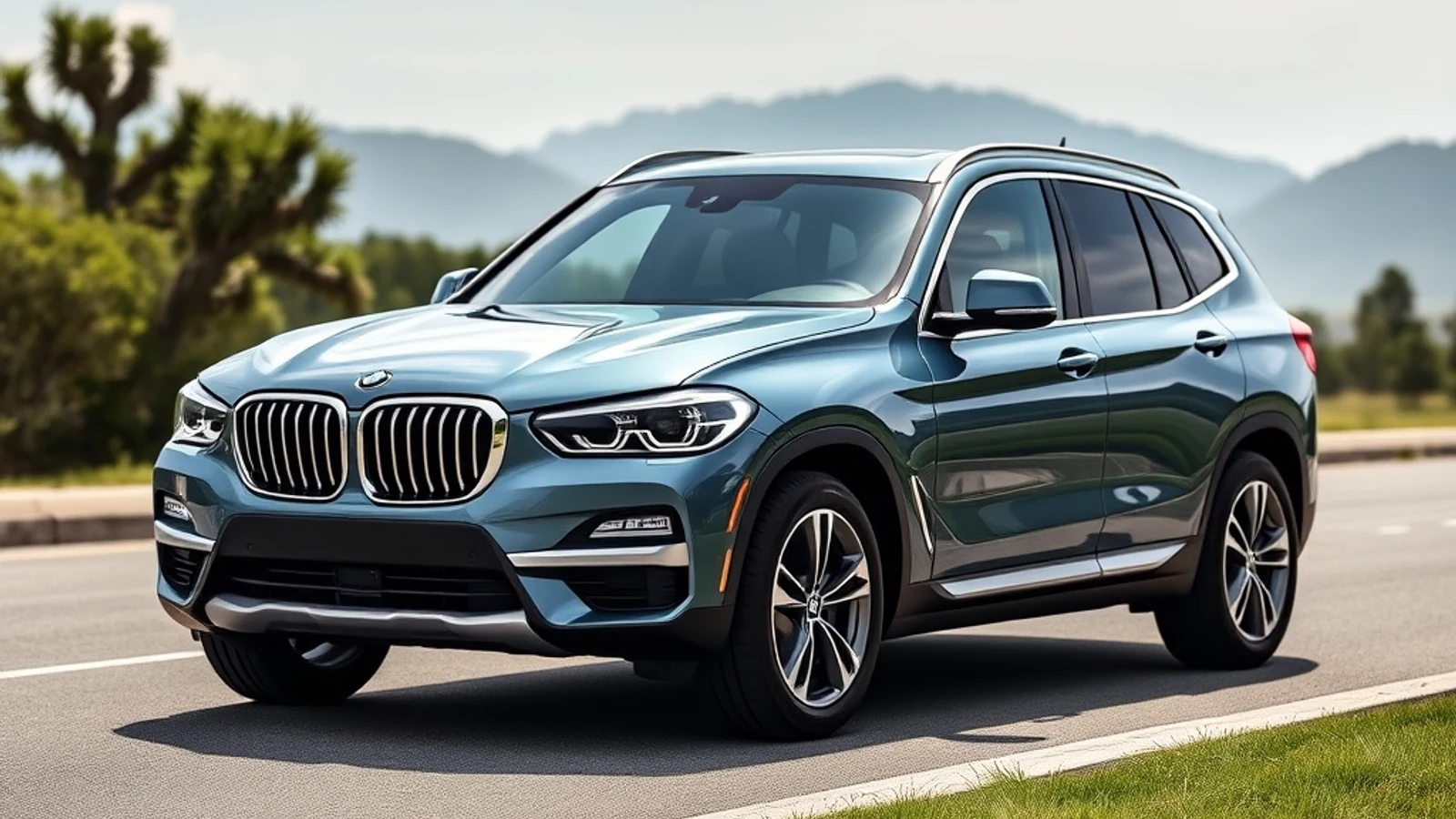
The 2027 BMW iX3 and Volvo EX60 represent two distinct approaches to the premium electric crossover market, each built on dedicated EV platforms. According to CarBuzz, the BMW iX3 50 xDrive utilizes a 108.7-kWh battery that offers an EPA-estimated range of 400 miles. Volvo offers more powertrain variety with its EX60, providing a P6 rear-wheel-drive variant and a P10 all-wheel-drive version, with a flagship P12 model capable of achieving a quoted range of 503 miles using a 112-kWh battery pack. Source
Charging performance remains a core differentiator between these two manufacturers. CarBuzz reports that the iX3 50 xDrive is capable of charging at up to 400 kW, allowing for a 10% to 80% charge in approximately 21 minutes. Meanwhile, Volvo's EX60 reaches a peak charging rate of 370 kW. Despite the lower peak rate, Volvo claims an 18 to 19-minute duration for a 10% to 80% charge, which slightly outpaces the BMW model in this specific metric. Source
Driving dynamics and ride quality differ significantly between the two models. BMW’s iX3 is positioned as a driver-focused vehicle, featuring an all-wheel-drive system and advanced computers that manage steering, throttle, and braking. However, CarBuzz notes that the lack of adaptive dampers leads to a firm ride on 21-inch wheels over uneven road surfaces. Volvo’s EX60, by contrast, is characterized by its relaxed and comfortable demeanor, with the P10 and P12 trims offering optional adaptive dampers that prioritize passenger comfort. Source
Driver Assistance and Technology Comparisons
In recent testing conducted by Auto Express, the BMW iX3 demonstrated industry-leading driver-assistance performance. The vehicle achieved a perfect score of 21 points for speed assistance and driver monitoring, outperforming other vehicles including the Volvo EX60. The BMW's "Symbiotic Drive" system allows for seamless integration of driver input with automated systems. Conversely, the Volvo EX60 performed well but was penalized in scoring for complex controls and inconsistent lane-change execution during testing. Source
Interior design philosophies differ as well. The BMW iX3 features a futuristic cabin with standard Veganza vegan leather and a 17.9-inch center touchscreen. The Volvo EX60 opts for Scandinavian minimalism, utilizing a 15-inch horizontal curved OLED screen. Carwow notes that Volvo's decision to place key controls on the left edge of the screen improves ergonomics, though some testers found the total reliance on touch-based controls for adjustments like air vents to be inconvenient for both vehicles. Source
Practicality remains a key concern for potential buyers. Carwow highlights that the Volvo EX60 provides 523 liters of cargo space, which marginally exceeds the capacity found in the BMW iX3. The EX60 also includes specific interior storage innovations, such as a slide-out glovebox and a briefcase-sized center binnacle, designed to maximize everyday utility for families. Both vehicles benefit from the flat floors inherent to their dedicated electric architectures, providing ample rear legroom. Source
Pricing and availability reflect the market positioning of each model. CarBuzz reports that the BMW iX3 50 xDrive starts at a base MSRP of $61,500. Volvo's pricing strategy for the EX60 sees the P6 Plus starting at $59,795, while the dual-motor P10 AWD Plus begins at $62,145. These figures are manufacturer claims and exclude destination fees and additional optional equipment, which may vary by region and dealership availability. Source
The following table compares key specifications provided in the manufacturer-attributed reports: Source
While BMW provides a single dual-motor drivetrain for the launch of the iX3, Volvo offers a more modular lineup. Electrifying.com emphasizes that the EX60 range provides options from the efficient rear-wheel-drive P6 to the high-performance P10 and P12. Each variant targets different consumer needs regarding range and power, allowing for a broader spectrum of pricing and capabilities compared to the standard iX3 50 xDrive configuration. Source
Efficiency remains a critical topic for electric vehicle adoption. Carwow reported real-world range testing for the EX60 P10, achieving 3.8 miles per kWh, which translated to roughly 87% of the officially claimed figure. This efficiency allowed the EX60 to travel approximately 30 miles further in real-world conditions during their test compared to the BMW iX3, despite the BMW iX3 having a higher manufacturer-quoted range estimate. Such data points illustrate the gap between laboratory test cycles and daily driving expectations. Source
Both vehicles include high-voltage architecture. BMW utilizes a standard 800V system for its iX3 to facilitate high-speed charging. Volvo also employs an 800V system across the EX60 range. These architectures enable rapid energy transfer, which is increasingly becoming the standard in the premium EV segment to mitigate charging downtime. Consumers are advised to verify regional network compatibility with these high-voltage systems to realize the performance potential advertised. Source
Future updates and trim expansions are anticipated. Volvo has mentioned the potential for a "Cross Country" version of the EX60, aimed at buyers seeking a more rugged aesthetic. BMW continues to refine its software and driving assistance, with more complex urban maneuvers planned for the City Assistant feature in 2027. Both brands demonstrate a commitment to iterative software improvement through over-the-air updates to ensure long-term functionality. Source

