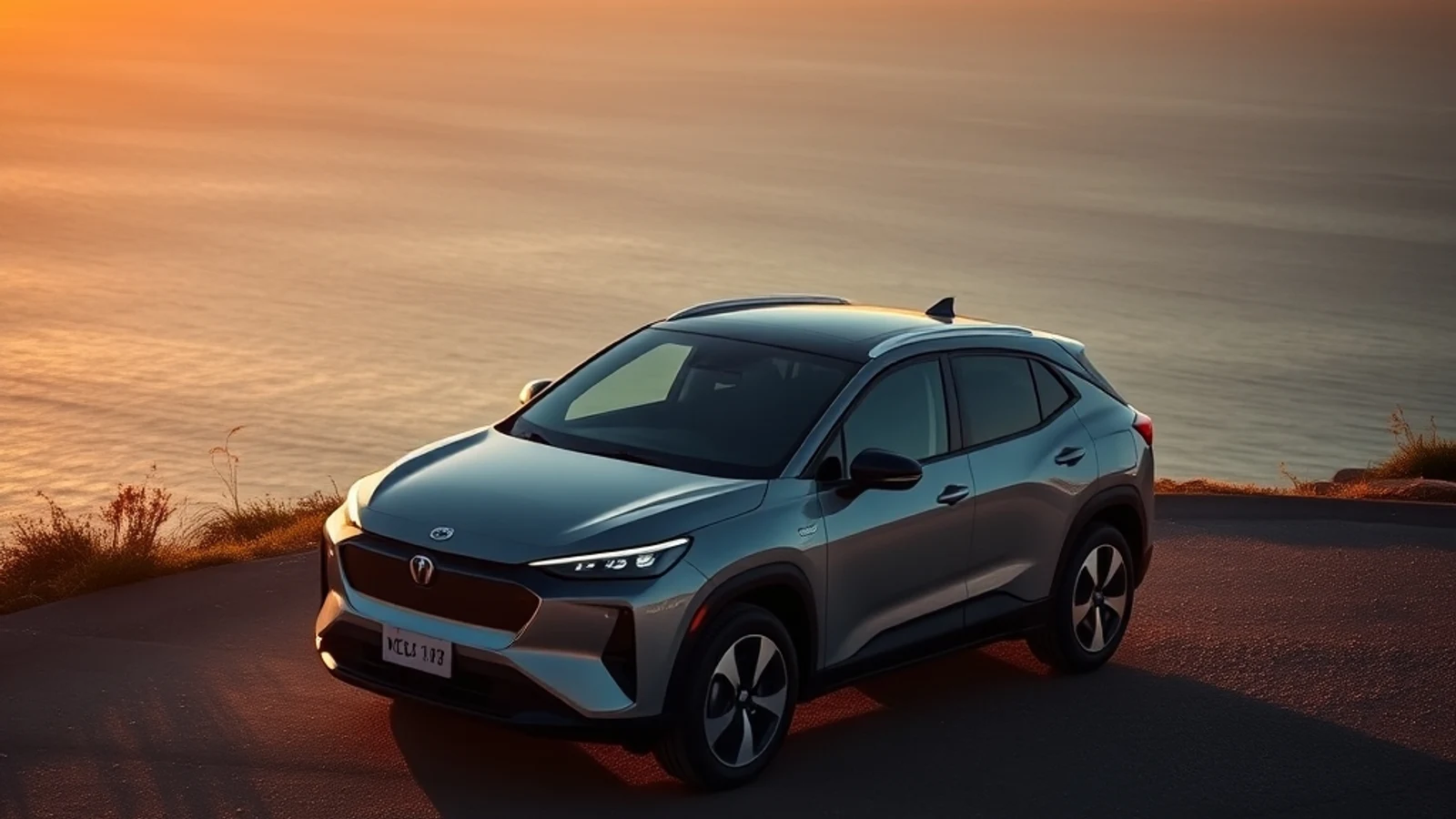
The 2027 Kia EV3 enters the automotive market as a compact electric crossover designed to serve as an entry point for buyers moving from internal combustion or hybrid vehicles. According to Motor1.com, the vehicle offers a starting price below $32,000, including destination charges. This positions the model as a significant competitor in the electric segment, where average new vehicle transaction prices frequently exceed $50,000. The manufacturer aims for mass-market appeal with a design language described as a scaled-down version of the larger EV9. Source
Kia utilizes its 400-volt e-GMP architecture for the EV3, which influences its charging performance. As noted by Yahoo Autos, the platform does not feature the 800-volt system found in larger stablemates like the EV6 or EV9, which results in slower charging speeds. The vehicle is equipped with a native NACS charge port. Charging times from 10 to 80 percent are reported to be 29 minutes for the smaller battery pack, while the larger 81.4-kWh pack takes 31 minutes. These figures are manufacturer-claimed durations under specified conditions. Source
The 2027 EV3 lineup is divided into multiple trim levels, each offering different configurations for range and power. The base Light trim utilizes a 58.3-kWh battery and a single-motor, front-wheel-drive setup, which produces 201 horsepower and provides an EPA-estimated range of 221 miles. Higher trims, including the Wind, Land, and GT-Line, upgrade to an 81.4-kWh battery pack. When configured with the single-motor front-wheel-drive powertrain, these trims achieve up to 321 miles of range with the same 201 horsepower output. Source
For performance-oriented buyers, Kia offers dual-motor all-wheel-drive configurations for the mid-to-high-tier models. The GT-Line AWD produces 261 horsepower and 284 pound-feet of torque, with an EPA-rated range of 280 miles. The top-of-the-line GT model increases output to 288 horsepower and 345 pound-feet of torque. Despite the increased power, the GT model retains the same 280-mile EPA range estimate. These performance variations allow consumers to select between maximum efficiency or increased power based on their specific daily driving requirements. Source
Inside the cabin, the EV3 features a unified panoramic display housing dual 12.3-inch screens. Standard features across the lineup include dual-zone climate control, wireless Apple CarPlay and Android Auto compatibility, and one-pedal driving capability. The third generation of Kia’s i-Pedal system has been updated to include functionality while the vehicle is in reverse. Cargo capacity is listed at more than 56 cubic feet with the second-row seats folded, providing versatility for a vehicle in the subcompact size class. Source
Detailed testing by automotive publications provides insight into the vehicle's real-world handling and build quality. The EV3 is reported to feel solid, with no evidence of loose tolerances or flimsy plastics in the cabin. Testing at a figure-eight course and on the road suggests stable, planted ride quality, with minimal torque steer despite the front-wheel-drive configuration. The brakes are described as consistent, though the effectiveness of regenerative braking is highlighted as a primary tool for drivers to reduce standard brake usage. Source
Kia EV3 Powertrain and Range Comparison
The following table outlines the specifications for the different powertrain and battery configurations available for the 2027 Kia EV3 based on reported data. Source
| Configuration | Battery | Output | EPA Range |
|---|---|---|---|
| Light FWD | 58.3 kWh | 201 hp | 221 miles |
| Wind/Land FWD | 81.4 kWh | 201 hp | 321 miles |
| GT-Line AWD | 81.4 kWh | 261 hp | 280 miles |
| GT AWD | 81.4 kWh | 288 hp | 280 miles |
Beyond the mechanical specs, the EV3 incorporates modern connectivity and driver assistance features. Higher trims such as the Land and GT-Line include upgrades like a wireless charging pad, blind-spot cameras, and the Digital Key 2.0 system. The onboard power generator for vehicle-to-load capability is included on specific upper-level trims. These features are positioned to justify the higher price points compared to the base Light model while maintaining the vehicle's value proposition against competing mainstream gasoline and hybrid subcompact crossovers. Source
Market Positioning and Sustainability
The market positioning of the EV3 is particularly notable regarding its size segment. While many electric vehicles in the current market are mid-size or large SUVs, the EV3 competes in the subcompact space. Analysts note that this segment has limited electric options, potentially making the EV3 an attractive choice for city dwellers and those with limited space who still require the functionality of a crossover. However, concerns remain regarding charging infrastructure reliance for those without home-based charging solutions. Source
Kia's broader corporate sustainability efforts are also linked to its manufacturing processes. In 2024, the manufacturer utilized approximately 204,000 tons of steel in its production operations, with 103,000 tons identified as recycled scrap. This circular resource usage is credited with reducing annual carbon emissions by roughly 166,000 tonnes. While specific lifecycle analysis for the EV3 remains less transparent than some competitors, the brand continues to emphasize these manufacturing efficiencies across its global product portfolio. Source
Looking ahead, the EV3's performance in varied road conditions will determine its long-term reception. While initial impressions from professional test drivers are positive regarding comfort and build, the vehicle's sustained efficiency on long-distance road trips remains a point of observation for potential buyers. With the inclusion of an NACS charge port, Kia is aligning the EV3 with the shifting standards in North American electric vehicle charging, which may impact future owner satisfaction as the public charging network continues to evolve. Source