
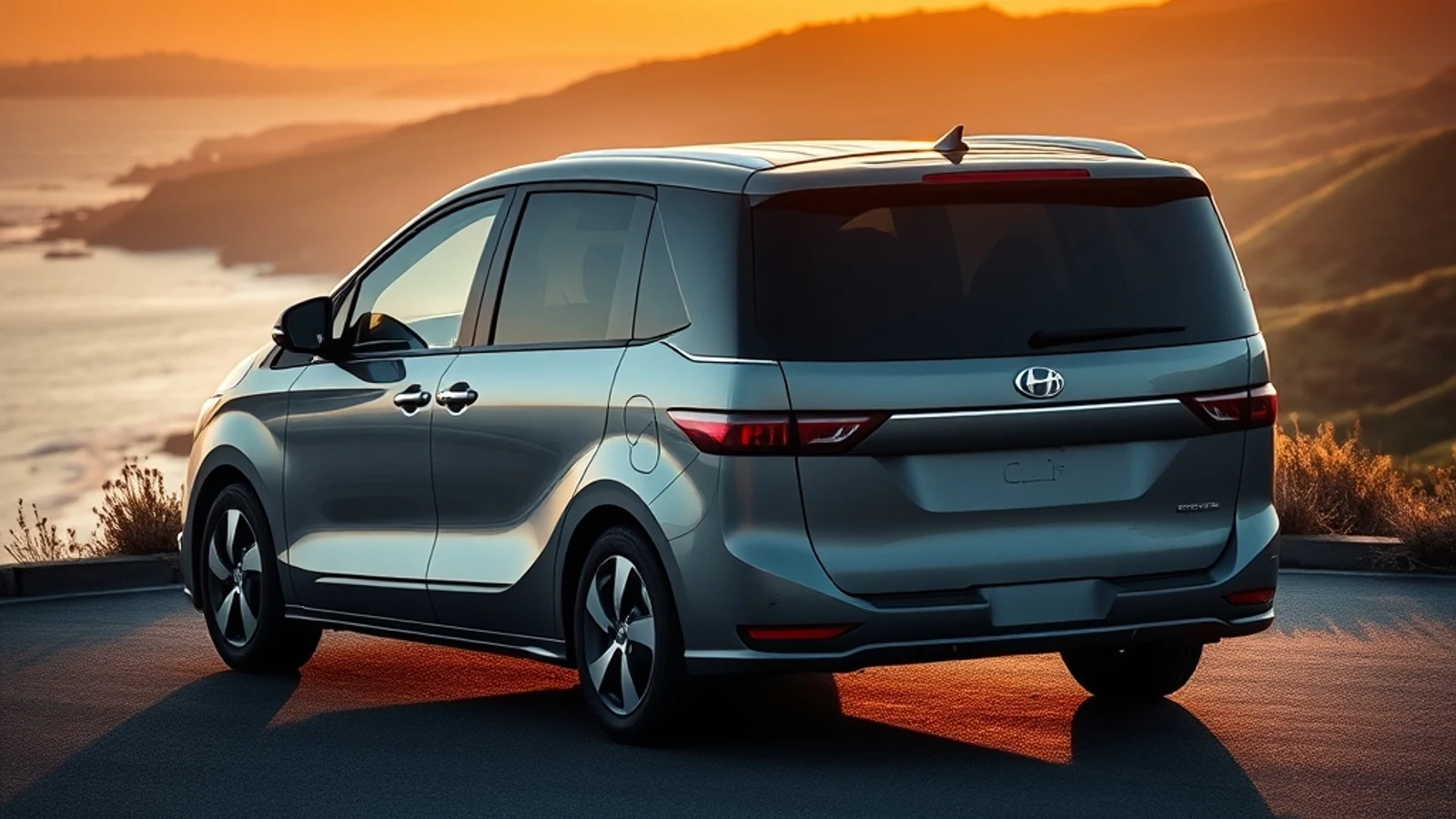
The 2027 Toyota Sienna introduces a significant mid-cycle refresh that focuses heavily on mechanical and technological enhancements rather than visual changes. While the exterior styling remains largely consistent with previous model years, Toyota has replaced the Cypress paint option with a new color called Storm Cloud. The most notable shifts occur within the powertrain and the electrical infrastructure, positioning the updated minivan as a more refined option for buyers seeking improved performance and cabin technology. Source
At the heart of the 2027 updates is the adoption of Toyota’s sixth-generation hybrid system. This new hardware features a redesigned and more efficient 2.5-liter four-cylinder engine paired with upgraded electric motors. A key component of this transition is the departure from the previous nickel-metal hydride battery pack in favor of a more energy-dense lithium-ion battery. This configuration delivers a combined system output of 251 horsepower, representing a modest gain of six horsepower over the outgoing model year. Source
The mechanical improvements extend to the driving dynamics and noise mitigation. The engine has been retuned to operate at a lower RPM range, which contributes to a quieter atmosphere during parking maneuvers and mid-range acceleration. Additionally, the cabin benefits from a higher-density sound-insulated dashboard pad that engineers report reduces noise ingress by 1.6 decibels. These refinements are designed to enhance passenger comfort while maintaining the efficient operating characteristics of the hybrid powertrain. Source
Regarding acceleration performance, Toyota states the 2027 Sienna front-wheel-drive configuration reaches 60 mph in 7.5 seconds. The all-wheel-drive variant, which utilizes a dedicated 40-kW electric motor on the rear axle, accomplishes the same sprint in 7.6 seconds. These performance figures reflect a 0.3-second improvement compared to the 2026 model year, providing a more responsive feel when merging into highway traffic, accompanied by reduced engine noise under load. Source
The updated hybrid powertrain also contributes to gains in estimated fuel economy. Across both front-wheel-drive and all-wheel-drive configurations, the 2027 model is expected to return 39 mpg in city driving, 35 mpg on the highway, and a combined estimate of 37 mpg. These metrics represent a significant increase in city efficiency for both drivetrain setups, specifically showing a 3 mpg increase for the front-wheel-drive model and a 4 mpg increase for the all-wheel-drive variant compared to the 2026 ratings. Source
Inside the cabin, the 2027 Sienna undergoes a comprehensive digital update. Every trim level now features a standard 12.3-inch infotainment touchscreen running the latest iteration of Toyota’s audio multimedia software. Additionally, the instrument cluster has been upgraded to a 12.9-inch digital display, replacing the smaller seven-inch screen found on previous base and mid-level trims. Other interior convenience additions include new LED lighting throughout the cabin and the inclusion of USB-C ports to support modern mobile device connectivity. Source
Toyota has also rejiggered the available trim lineup to simplify the purchasing process. The Limited trim has been discontinued for 2027, as many of its previously exclusive features have been migrated to the XSE trim. The updated XSE now includes premium amenities such as ventilated front seats, memory settings for the driver, a head-up display, and a panoramic view monitor. The base LE trim receives standard features such as a rear liftgate kick sensor for models not equipped with a towing hitch. Source
Safety and handling systems have been updated as part of the refreshed platform. The 2027 Sienna now comes equipped with the Toyota Safety Sense 4.0 suite, which utilizes upgraded sensors and hardware. A dash camera is now standard across the lineup. Furthermore, the electronic power steering components—including the steering column, gearbox, and torque sensor—are entirely new, intended to reduce steering effort at low speeds while improving on-center stability at highway speeds. Source
Additional braking refinements include the implementation of Vehicle Braking Posture Control. This system, which debuted on the 2026 RAV4, modulates braking pressure to individual wheels during cornering to minimize body roll and improve overall vehicle stability. This mechanical upgrade works in tandem with the improved steering system to deliver a flatter cornering experience and reduced driver fatigue during longer journeys, as observed during test evaluations of the updated platform. Source
The 2027 Toyota Sienna continues to be manufactured at the company's production facility in Princeton, Indiana, utilizing the Toyota Next Generation-K platform. While Toyota has not yet released official pricing for the 2027 model year, market analysts and industry reports estimate the starting price for the base LE trim will increase slightly from the 2026 starting point of approximately $42,915, potentially settling closer to $44,500 to $45,000 depending on final equipment configurations. Source
Performance and Efficiency Comparison
The following table highlights key performance and efficiency specifications for the 2027 Toyota Sienna compared to the previous model year as supported by the available documentation. Source
Prospective buyers can expect the 2027 Toyota Sienna to begin arriving at dealerships across the United States early in 2027. Toyota plans to disclose the final manufacturer's suggested retail price for each trim level as the official launch date approaches. The combination of increased hybrid system efficiency, updated digital interfaces, and enhanced driving dynamics represents Toyota's strategic focus on maintaining the competitive standing of the Sienna within the minivan segment without requiring significant exterior redesigns. Source

