
In-Vehicle Productivity Features
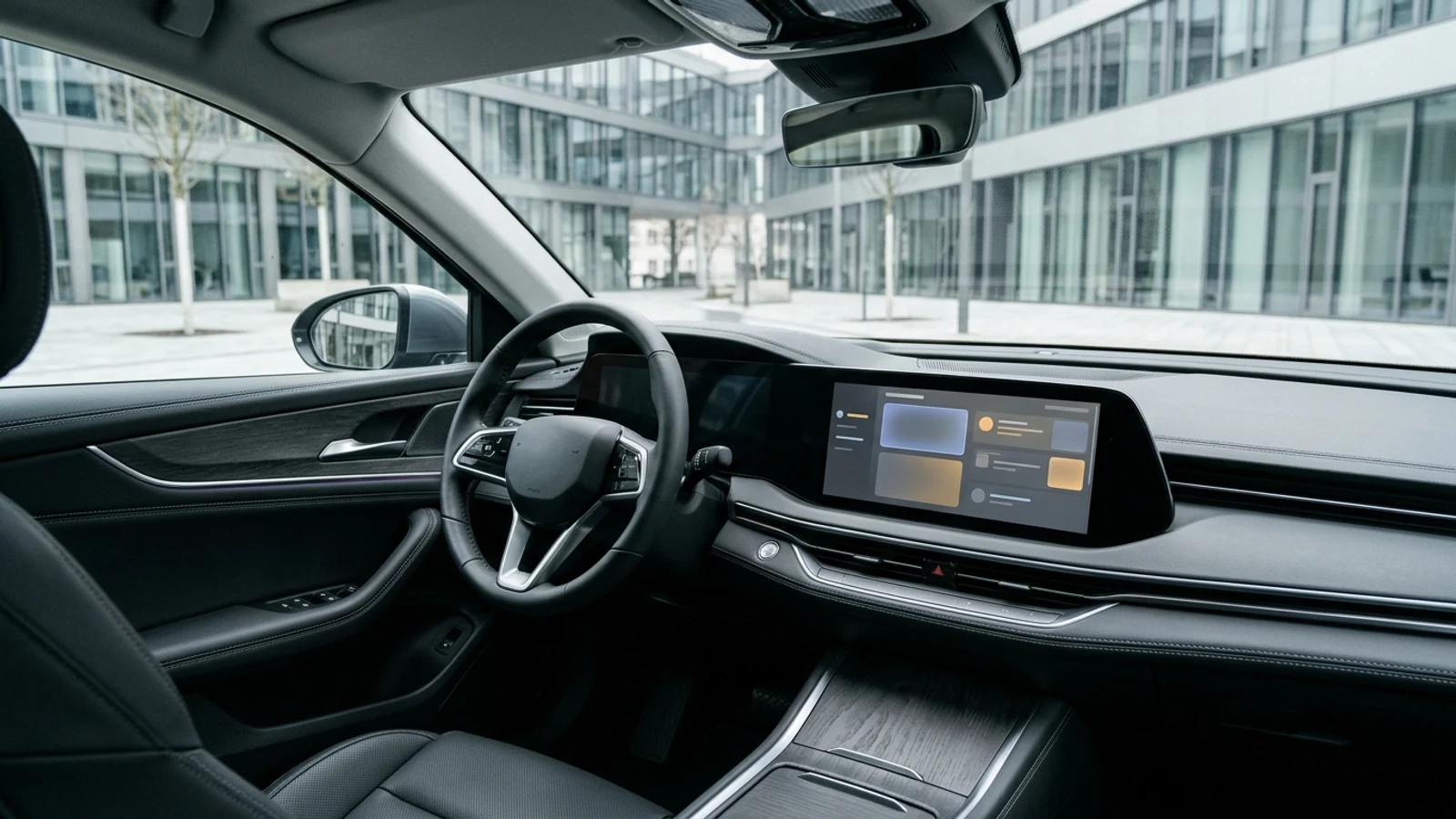
Audi has officially expanded its in-vehicle technology suite by integrating a new connected work application powered by Cerence AI and Microsoft 365. This initiative, reported by CarBuzz on November 24, 2026, aims to transform the driving experience by allowing occupants to handle professional tasks while inside their vehicles. The system is designed to provide voice-controlled access to essential office tools, reflecting a shift toward digitizing the cabin environment to accommodate a mobile workspace for business users. Source
The functional capabilities of this integration focus on communication and scheduling. Drivers can utilize voice commands to manage their Microsoft Outlook and Teams accounts directly from the cabin. According to CarBuzz, while the software allows for drafting emails, reading messages aloud, sending chat communications, and organizing calendar appointments, it excludes document creation tools like Word or Excel to maintain a focus on non-complex, voice-driven interaction during transit. Source
Teams meetings are also supported through the interface. This feature enables participants to join conference calls while driving. Poorab Sarmah, Audi's head of occupant interaction, observed that time on the road is valuable. Audi's media materials depict full video functionality for these calls, though the manufacturer states the system is intended to support the driver by preparing information based on the specific driving situation, aimed at holding a needs-based dialogue with the driver. Source
Activation of the Microsoft 365 suite is handled via the Audi MMI center display or a dedicated button located on the steering wheel. Dayan Rodriguez, Corporate Vice President of Manufacturing and Mobility at Microsoft, noted that the integration brings Microsoft 365 into the vehicle with security standards businesses expect, intended to help drivers stay connected while keeping their focus on the road. The system uses Microsoft Intune security for data governance. Source
Regional Availability and Security
The company states that its connection meets high security and governance standards. Important business data remains encrypted within the app, and specific business accounts can be connected and managed by company IT departments. Audi indicates that users do not need to worry about hacking, as the infrastructure is built to protect sensitive corporate communications conducted through the in-car system, aligning with professional requirements for data integrity during mobile work. Source
Audi is launching the app on 2026 and newer A5, Q5, A6, Q6, and Q9 models. The rollout is currently limited to 28 European countries. At the launch phase, the system supports German and English language models. Audi has indicated plans to introduce support for six additional languages before the end of the 2026 calendar year to expand the system's reach within these initial markets, starting with Germany as the primary deployment location for the service. Source
The implementation of this software represents a notable evolution in Audi’s technological direction. Traditionally, the manufacturer’s branding focused on mechanical engineering and the slogan Vorsprung durch Technik. This new approach shifts the focus toward software integration that facilitates professional connectivity. By incorporating AI-driven assistance that adjusts information based on driving conditions, the manufacturer seeks to balance occupant demands for productivity with the operational realities of modern vehicle ownership. Source
The launch in Germany presents a potential conflict regarding regional labor laws. As noted by CarBuzz, Germany enforces a Right to Disconnect policy that restricts the expectation for employees to engage in work-related activities outside of office hours. The availability of a mobile office feature that encourages work during commutes may complicate adherence to these regulations, raising questions about whether drivers might inadvertently breach local labor standards or distracted driving laws through regular use. Source
Audi indicates that users can use the system to plot out their day's schedule. While the interface is designed to make the commute more productive, the application is intentionally limited to communication tasks. By removing complex software like word processors or spreadsheet programs, Audi maintains that the system is focused on interaction tasks that do not require visual focus on documents, thereby attempting to mitigate the risks associated with in-car productivity tools during active operation of the vehicle. Source
The integration is part of a broader trend where the traditional office evolves into a mobile space. With the introduction of this software, the vehicle effectively becomes an extension of the corporate environment. Audi claims that its buyers have expressed an interest in these productivity-focused features, necessitating the deployment of AI assistants that can manage dialogue with the driver. This change signals a move away from purely mechanical engineering toward highly connected digital ecosystems in luxury automotive segments. Source

