
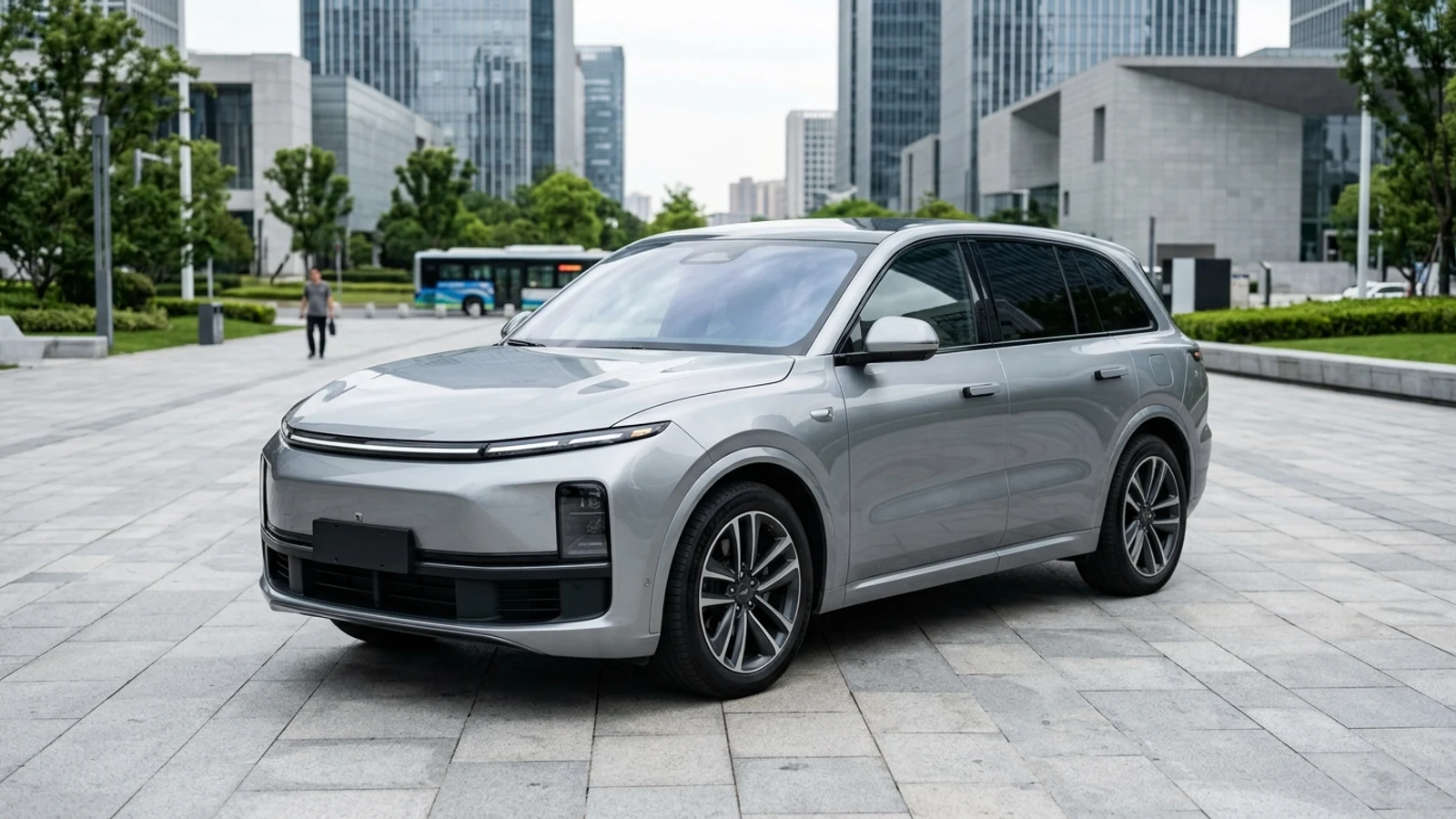
On November 24, 2026, BYD officially introduced the third-generation Tang, marking an expansion of its flagship Dynasty SUV lineup in China. As reported by Electrek, the new model is designed as a high-tech, five-seat flagship electric vehicle. This launch is positioned as a strategic addition to the brand's portfolio, sitting below the larger seven-seat flagship known as the Great Tang or Da Tang. The event occurred on Tuesday, confirming the availability of several distinct variants for consumers. Source
Trim, Pricing, and Powertrain Specifications
The third-gen Tang is offered in three primary configurations: the standard Premium, the Laser Premium, and the Laser Flagship. According to CnEVPost, the starting price for the base model is 187,900 yuan, which represents a significant reduction from the previously announced pre-sale price of 225,000 yuan. While the base models are equipped with rear-wheel drive, the manufacturer provides an optional all-wheel-drive steer-by-wire package for the Laser Flagship model, available for an additional 20,000 yuan. Source
In terms of performance, the standard rear-wheel-drive variants utilize a single electric motor producing 300 kW (402 hp). These models are equipped with BYD's second-generation Blade LFP batteries. Depending on the configuration, they offer CLTC-rated ranges of 730 km or 850 km. As documented by CarNewsChina.com, the higher-end dual-motor all-wheel-drive powertrain delivers a combined output of 515 kW and achieves a 0 to 100 km/h acceleration time of 4.3 seconds, with a CLTC range of 770 km. Source
The following table summarizes the key performance and pricing metrics reported across the different trim levels and drivetrain options available at launch in China. Source
| Trim Level | Powertrain | Peak Power | CLTC Range | Price (Yuan) | Price (USD Approx) | :--- | :--- | :--- | :--- | :--- | :--- | | Premium | RWD | 300 kW | 730 km | 187,900 | $28,195 | | Laser Premium | RWD | 300 kW | 850 km | 207,900 | $31,195 | | Laser Flagship | RWD | 300 kW | 850 km | 219,900 | $32,995 | | AWD Upgrade | Dual-Motor | 515 kW | 770 km | +20,000 | N/A | Source
A key feature of the third-generation Tang is its advanced charging capability. Electrek reports that all versions are equipped with Flash Charging technology. This system allows the vehicle to charge from a 10% state of charge to 80% in approximately five minutes, or reach a nearly full 97% charge in nine minutes. This charging performance is intended to provide significant convenience for daily usage, complementing the vehicle's long-range battery options which use the updated Blade 2.0 LFP architecture. Source
Interior, Technology, and Safety Systems
The interior design emphasizes space and digital integration, featuring a five-seat layout that optimizes passenger comfort. According to CarNewsChina.com, the cabin includes a 30-inch panoramic theater screen for front occupants and an optional 35.4-inch panoramic head-up display. The vehicle also provides a spacious rear seat environment with 1,000 mm of legroom. Practicality is further enhanced by a 205-liter front trunk, described as the largest in its class, alongside significant rear cargo capacity. Source
Safety and driver assistance are managed through the God's Eye B system, which utilizes roof-mounted LiDAR to support functionalities such as city and high-speed navigation assist, as well as all-scenario parking assist. As noted by CnEVPost, the vehicle also includes a tire blowout stability system capable of maintaining vehicle control at speeds up to 180 km/h. Comfort is addressed through the Disus-A dual-chamber air suspension system, which allows for adjustable handling characteristics based on road conditions and driver preference. Source
The physical footprint of the new SUV measures 5,045 mm in length, 1,980 mm in width, and 1,760 mm in height, with a 2,950 mm wheelbase. This size places it in direct comparison with vehicles such as the Tesla Model X or the BMW iX. By standardizing the five-seat layout, BYD aims to capture a specific segment of the family vehicle market that prefers increased cabin and cargo space over the higher-occupancy configurations found in the larger seven-seat Great Tang series. Source
Further cabin amenities documented across the sources include a 6.8-liter built-in refrigerator and heated, ventilated, and massaging seats for the primary positions. These features align with the vehicle's market positioning as a premium product. The incorporation of a drive-by-wire digital chassis is intended to improve steering and braking response speeds by more than 25% by removing mechanical linkages. These technical improvements are central to BYD's effort to refresh its flagship Dynasty series during the 2026 model year. Source
The market impact of these updates is significant for the manufacturer, given that the Tang series recorded nearly 100,000 units in cumulative sales between January and October 2026. While cumulative performance showed a year-on-year decline, the October 2026 monthly sales figures indicated a positive trend. With the launch of the new five-seat Tang, the company aims to sustain momentum by offering high-tier technology at a more competitive entry-level price point for the Chinese domestic consumer base. Source
Ultimately, the release of the third-generation Tang represents a refinement of BYD's strategy to provide diversified SUV options within its primary line. By offering distinct trims ranging from performance-focused all-wheel-drive models to long-range efficiency models, the manufacturer is catering to varied buyer needs. The transition from the previous model's design to this iteration demonstrates the company's commitment to implementing advanced LFP battery technology and high-speed charging solutions across its flagship SUV offerings. Source

