
Portable Cooling Technology and Power Options
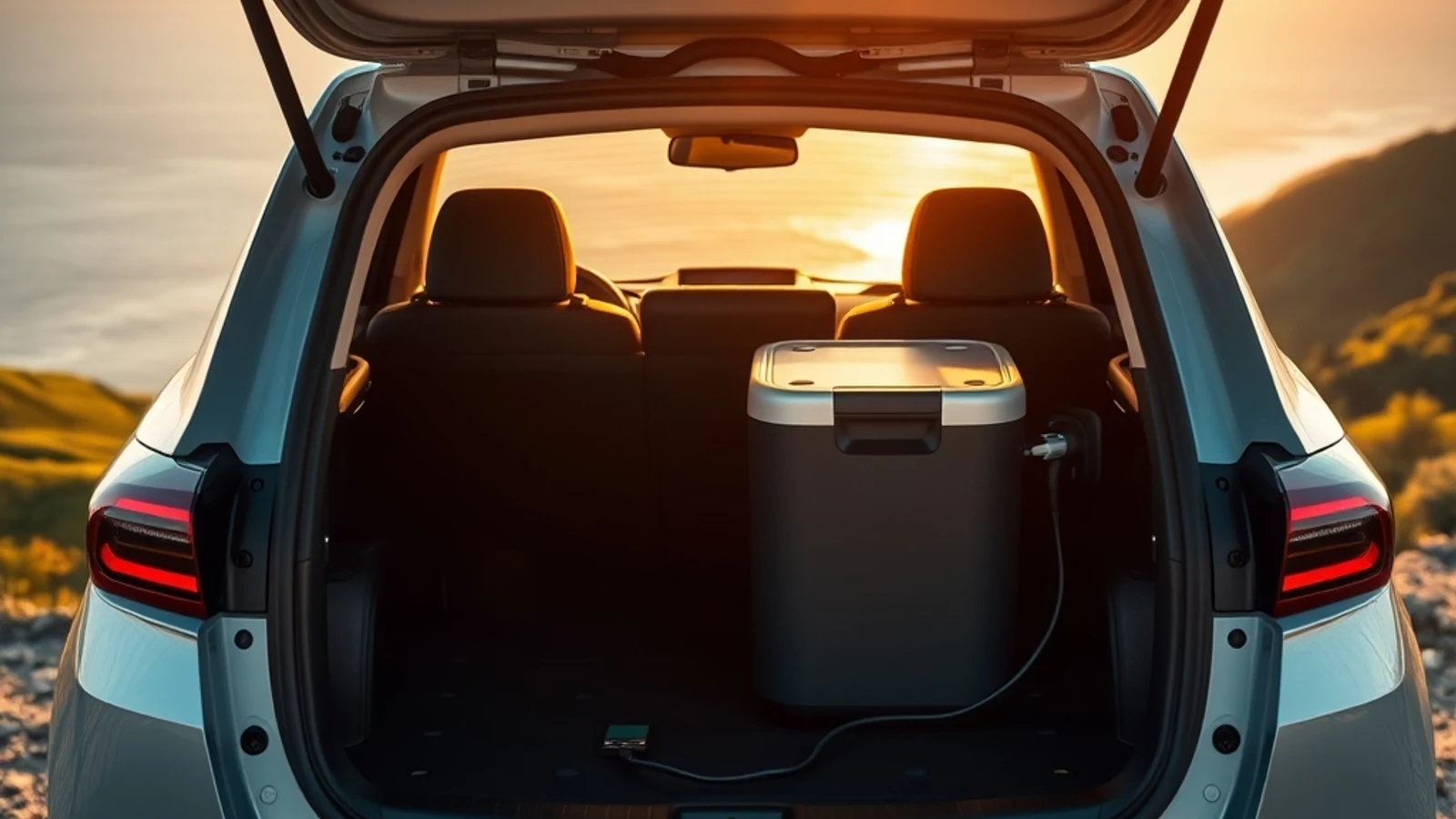
As of late November 2026, motorists planning road trips or camping excursions are evaluating the utility of electric car coolers as alternatives to traditional ice-based models. According to Car and Driver, these units function similarly to portable refrigerators, utilizing a 12-volt plug that fits into a standard vehicle cigarette-lighter-style power port. By eliminating the need for ice, these devices prevent the issue of melting water and soggy food, while maximizing interior storage capacity for cargo. Source
The cooling systems within these units generally fall into two categories: thermoelectric and compressor. Car and Driver reports that thermoelectric models typically cool to a specific temperature differential relative to the surrounding air, which may limit their effectiveness in high-heat environments. In contrast, compressor-based coolers act like miniature refrigerators, capable of reaching and maintaining specific internal temperatures regardless of external conditions, and some offer freezing capabilities. Source
Power flexibility is a significant factor for vehicle-based refrigeration. Many units, such as those from BougeRV, support multiple energy inputs. Car and Driver identifies that these devices can operate via a 12-volt vehicle outlet, a standard 120-volt household wall outlet, integrated or portable batteries, and solar panels. This versatility allows users to maintain temperatures while the vehicle is parked or when away from electrical infrastructure, provided the system is compatible with the power source. Source
Battery protection remains an important safety feature for long-term use. Car and Driver notes that while some coolers include low-voltage protection to prevent excessive battery drain when the vehicle engine is turned off, this feature is not universal. Consumers are advised to verify whether a specific model supports low-voltage shutoff before attempting overnight use to avoid inadvertently disabling their vehicle's primary battery, or to utilize a separate, dedicated portable power station. Source
Model Performance and Storage Capacity
In recent testing, different models demonstrated varying physical and functional characteristics. The 21-quart BougeRV model was recognized by Car and Driver for its portability, featuring a rotating handle that enables one-handed carrying of the 28-pound unit. While the internal battery configuration increases the initial cost, it provides greater operational independence. For those requiring larger storage, the 54-quart Ekojuce unit was noted for its favorable weight, weighing only 29 pounds despite its higher capacity. Source
Practical design elements significantly influence usability during camping or travel. The Euhomy cooler utilizes a design that prioritizes height over width, which affects how it fits within a vehicle's cargo area. During assessments documented by Car and Driver, this specific configuration allowed the unit to accommodate up to 70 cans within its dual cooling zones. Other features observed on similar equipment include soft-closing lids, foldable handles that function as side tables, and robust wheels for off-road transit. Source
When selecting a model, prospective buyers must consider several operational variables. Car and Driver emphasizes that cooling performance varies based on the unit type, the initial internal temperature, ambient heat, and the thermal mass of the loaded items. Pre-chilling food or beverages at home before departure is recommended to reduce the electrical load and accelerate the time required for the cooler to reach its target temperature. Proper securing of the unit in the vehicle is necessary for safety. Source
Complementary gear for off-grid power is also seeing market activity. According to Popular Mechanics, portable power stations such as the Anker SOLIX series and Bluetti Elite models are frequently utilized to extend the run-time of camping accessories. These units offer varied capacity ratings, such as the 1004.8Wh provided by the Bluetti Elite 100 mini. These power stations are specifically marketed for their fast-charging capabilities and utility as backup power sources for diverse camping and emergency equipment. Source
The following table summarizes key comparative aspects of select cooling and power gear based on recent reporting from automotive and gear-focused publications. Performance figures and features reflect manufacturer-claimed specifications and editor-tested evaluations. Users are advised to cross-reference these features with individual manufacturer instruction manuals, as specific power protection and thermal management protocols differ significantly across the various product categories and cooling system designs identified in these reports. Source
| Device Category | Feature/Capability | Power Source Options | Primary Use Case |
|---|---|---|---|
| Compressor Cooler | Holds specific temperature | 12V/120V/Solar/Battery | Longer trips/Freezing |
| Thermoelectric Cooler | Cools below ambient air | 12V DC | Short trips/Drinks |
| Portable Power Station | Energy storage for appliances | AC/DC/Solar | Off-grid power supply |
| Hybrid Cooler | Dual zone storage | 12V/AC/Battery | Large group camping |
For travelers looking to outfit their vehicles for the upcoming season, considerations should prioritize the intended frequency of use and temperature requirements. Compressor-based systems offer the most precise control for those transporting frozen items or sensitive cargo, while thermoelectric systems are generally lighter and more suitable for simple cooling of beverages during shorter durations. As noted by Car and Driver, the absence of ice is a major convenience, but users must manage power consumption to ensure continuous operation. Source
Ultimately, the decision between these models rests on the specific needs of the operator and the available storage space in the vehicle. By verifying compatibility with 12-volt ports and checking for integrated battery protection, users can safely integrate these units into their mobile setups. Manufacturers continue to refine these products, incorporating features such as soft-closing lids and modular handles to enhance convenience, as reflected in current testing standards published by editorial teams at Car and Driver. Source

