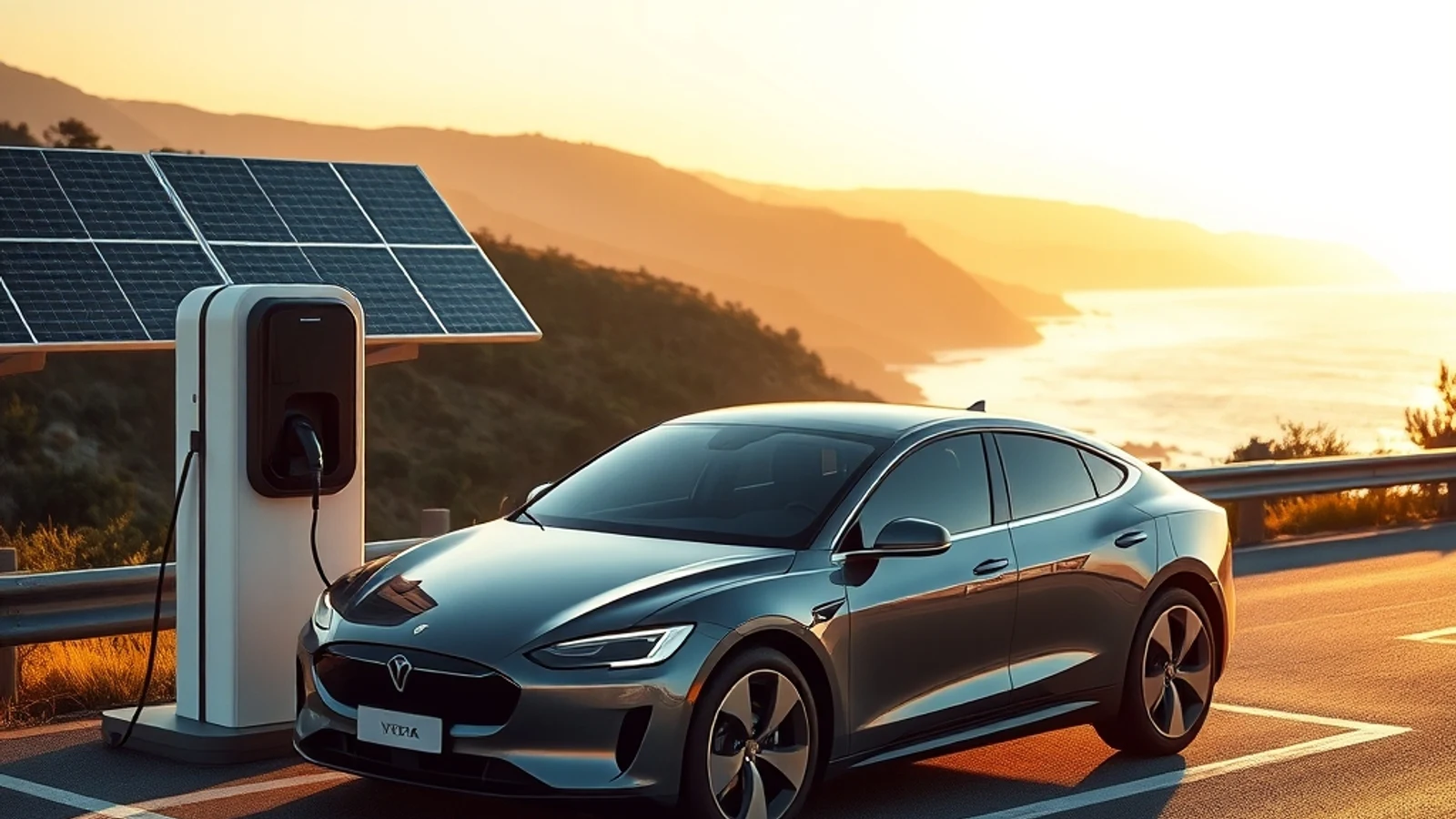
For many first-time electric vehicle buyers, understanding the financial implications of charging is a top priority. While fueling costs vary significantly based on individual driving habits, location, and vehicle efficiency, some owners report surprisingly low expenses. One electric vehicle owner in the United States, who recently relocated to a walkable city, reported an estimated monthly charging cost of approximately $7. This figure reflects a lifestyle prioritized around minimal driving, relying instead on public transit for daily needs. Source
Driving behaviors are the primary driver of these cost differences. According to data from AAA, the average US driver covers fewer than 29 miles per day. With many weekly commuting totals falling well within the capabilities of even affordable used electric vehicles, the necessity for frequent, high-cost rapid charging is often overstated. Furthermore, only 30% of surveyed Americans reported taking a road trip during the previous summer, with the average one-way distance being roughly 235 miles, a range manageable with a single 30-minute charging stop. Source
As the public charging network continues to expand in 2026 and 2027, drivers are finding more options for fast charging. While individual monthly costs will likely exceed the minimal figures seen in car-light urban households, they frequently remain competitive against rising gasoline and diesel prices, which remain at significant price points across the nation. The growth of these networks is making long-distance travel increasingly convenient, effectively mitigating the common concern of range anxiety. Source
The United Kingdom presents a different cost environment, characterized by recent increases in wholesale electricity prices impacting rapid charging networks. Electrifying.com has analyzed these costs, noting that rapid charging prices vary significantly by provider and charging speed. For those unable to utilize cheaper domestic energy tariffs, public charging remains a crucial operational expense. Charging strategies that leverage slower, off-peak, or complimentary chargers can help budget-conscious drivers manage their total expenditures. Source
When comparing PAYG (pay-as-you-go) costs in the UK, rapid and ultra-rapid chargers (50kW+) represent the most expensive option, with an average cost of 79p/kWh. In contrast, standard and fast chargers (3–49kW) average 54p/kWh. Some operators, such as Tesla and Be.EV, provide variable rates based on location or peak usage times. Meanwhile, major providers like Gridserve and Instavolt, often located at convenient motorway service stations, command premium pricing for the speed and convenience they provide to drivers on long trips. Source
The following table summarizes common cost expectations for a 10–80% charge based on average UK public charging rates for a vehicle equipped with a 55kWh battery capacity, as reported by Electrifying.com. Source
| Charging Type | Average Cost (10–80% for 55kWh Battery) |
|---|---|
| Fast Charger (3–49kW) | £20.79 |
| Rapid/Ultra-Rapid Charger (50kW+) | £30.42 |
In the APAC region, BYD has begun an expansion of its Flash Charging network in Malaysia. Announced by BYD Malaysia Managing Director Jacob Ma, the network is expected to open to all electric vehicle brands as early as December 2026. This initiative follows the global introduction of the technology, which features a peak DC output of up to 1.5MW (1,500kW). To support these high-power bursts, each Flash Charging station integrates a Battery Energy Storage System (BESS) into its cabinet design. Source
The BESS architecture consists of 185kWh battery packs within each cabinet, providing a combined 370kWh capacity. These units draw power from the grid during off-peak or idle periods at rates between 100kW and 560kW. Beyond the hardware, BYD has implemented a 'Zero Gravity' cable management system that suspends heavy cables from an overhead T-shaped pillar to accommodate charging ports located on either side of a vehicle. Source
BYD Malaysia is currently offering one year of complimentary charging to owners of the Denza Z9GT and Denza D9 Prestige AWD. Until December 8, 2026, these owners can charge at designated showrooms without an app. Beginning December 9, 2026, the service will transition to the BYD Flash Charging App, remaining valid until the end of 2027. While fees for non-BYD brands remain unannounced, leadership indicated that pricing will align with average market rates to encourage adoption. Source
The company maintains aggressive growth targets for the Malaysian charging network, aiming for 12 operational sites by the end of 2026. This presence is projected to expand significantly to 130 locations nationwide by the end of 2027. The focus remains on elevating the overall charging experience in the country, rather than immediate revenue generation. Source