
Launch of the Folding Steering Wheel
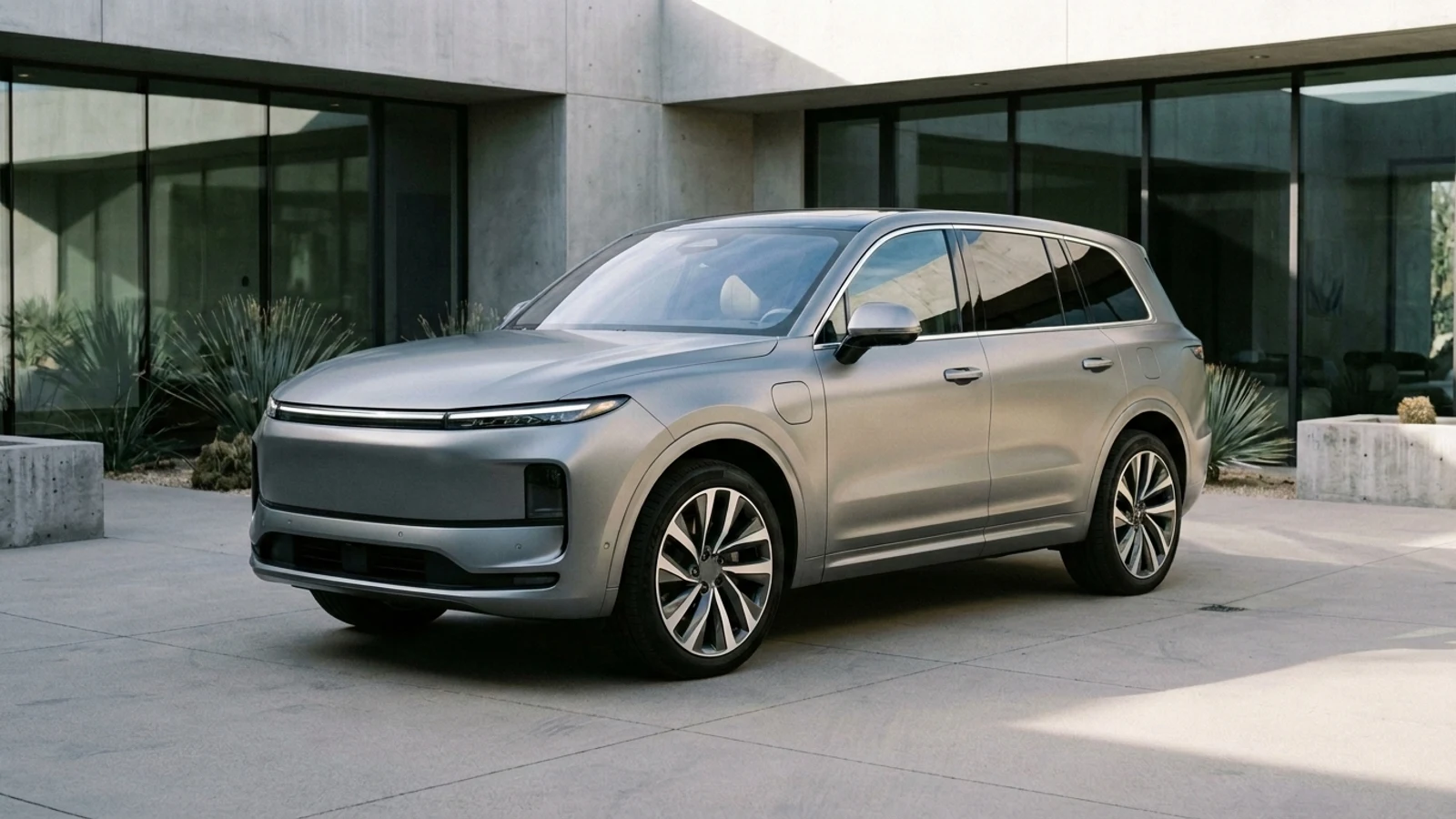
The Chinese automaker BYD has officially launched a new three-row SUV under its Fang Cheng Bao sub-brand, known as the Tai 9. This vehicle introduces a notable cabin innovation: a steering wheel capable of folding into the dashboard to create additional interior space. The feature is enabled by a steer-by-wire system, which removes the traditional mechanical steering column that typically limits space in the driver's footwell and console area. This design is currently only available on the range-topping trim level. Source
The folding steering wheel mechanism is designed exclusively for use while the vehicle is parked. When activated, the wheel rim splits, folds over the column, and the entire assembly retracts into a dashboard compartment within approximately 10 seconds. Once retracted, a motorized panel closes over the opening, leaving a flat surface. According to the manufacturer, the mechanism is rated for 80,000 operating cycles. The system uses motor technology originally developed for humanoid robots to manage the movement of the steering column. Source
Fang Cheng Bao emphasizes that this feature is intended to increase comfort rather than to support hands-free or autonomous driving. The steering wheel retracts to allow the driver's seat to recline up to 165 degrees, effectively transforming the front area into a lounge-like space. During this stationary mode, a fold-out tray table provides additional functionality for dining or working. The airbag remains positioned for safety, regardless of whether the wheel is in the deployed or stowed configuration. Source
The Tai 9 is a plug-in hybrid SUV with a six-seat configuration arranged in a 2+2+2 layout. It measures 5,270 mm in length and is built on a 3,130 mm wheelbase. The powertrain consists of a 1.5-liter turbocharged engine acting as a generator alongside dual electric motors, producing a combined 536 hp. The vehicle is equipped with a 66.48-kWh Blade battery pack, which provides an electric-only range of approximately 310 km based on the WLTC cycle. Source
Regulatory Context and Vehicle Specifications
The implementation of this steer-by-wire system follows a change in Chinese national safety standards that took effect on July 1, 2026. These updated regulations removed the mandatory requirement for a mechanical linkage between the steering wheel and the front wheels, provided that the electronic system meets specific redundancy and fail-safe criteria. BYD states that the Tai 9 incorporates five distinct redundancy layers to ensure system reliability, allowing for the legal removal of the physical steering shaft. Source
The Tai 9 is available in a three-trim lineup within the Chinese market. Pricing for the base model starts at 279,900 yuan, while the range-topping Foldable Smart Cabin trim, which includes the retracting steering wheel feature, is priced at 329,900 yuan, approximately $49,000 USD. The following table summarizes key performance and configuration metrics for the SUV lineup as reported in recent manufacturer announcements. Source
| Feature | Specification |
|---|---|
| Length | 5,270 mm |
| Wheelbase | 3,130 mm |
| Seating | 6 (2+2+2) |
| Power Output | 536 hp (combined) |
| Battery Capacity | 66.48 kWh |
| Electric Range | 310 km (WLTC) |
| 0-100 km/h | 4.8 seconds |
The development of the Tai 9 reflects a broader trend among Chinese EV manufacturers to optimize cabin interiors for stationary comfort, a segment often described as a 'third space' for owners. While other manufacturers have showcased folding steering concepts at various auto shows for years, the Tai 9 represents a transition of this technology into a mass-produced consumer vehicle. BYD has not yet provided any information regarding potential export plans for the Tai 9 to markets outside of China. Source
BYD's approach to steer-by-wire differs from other manufacturers that have paired such systems with yoke-style steering wheels. The Tai 9 retains a traditional D-shaped steering wheel with a full rim and integrated physical buttons when the system is in the driving position. This focus on maintaining conventional controls, combined with the stowage capability, distinguishes the Tai 9 from robotaxi-focused prototypes that often aim for completely wheel-less or non-traditional steering interfaces. Source
Industry observers note that the speed at which BYD has introduced this feature to the market is significant. The legislative framework allowing for steer-by-wire has only been in place for months, and the automaker has successfully integrated hardware typically associated with its robotics division into a high-volume passenger vehicle. The sub-brand, Fang Cheng Bao, has seen steady sales growth, with recent monthly figures reflecting strong demand for its existing SUV portfolio in China. Source
The vehicle also features advanced driver assistance technologies, including LiDAR and the company's proprietary 'God’s Eye B' system, which are standard across the model range. Rear-wheel steering is also included to assist in maneuvering the large SUV. Despite these advanced features, the manufacturer remains clear that the stowing of the steering wheel is strictly a comfort feature for stationary use and does not indicate any current capability for autonomous vehicle operation. Source
Fang Cheng Bao was established in June 2023 to target the premium off-road SUV segment. Since its inception, the brand has expanded its lineup from the initial mid-size Bao 5 to the larger Bao 8 and now the Tai 9. This latest launch is seen as part of BYD’s effort to differentiate its various sub-brands, including Denza and Yangwang, by utilizing unique interior hardware and cabin functionality as key competitive advantages in the domestic Chinese automotive market. Source

