
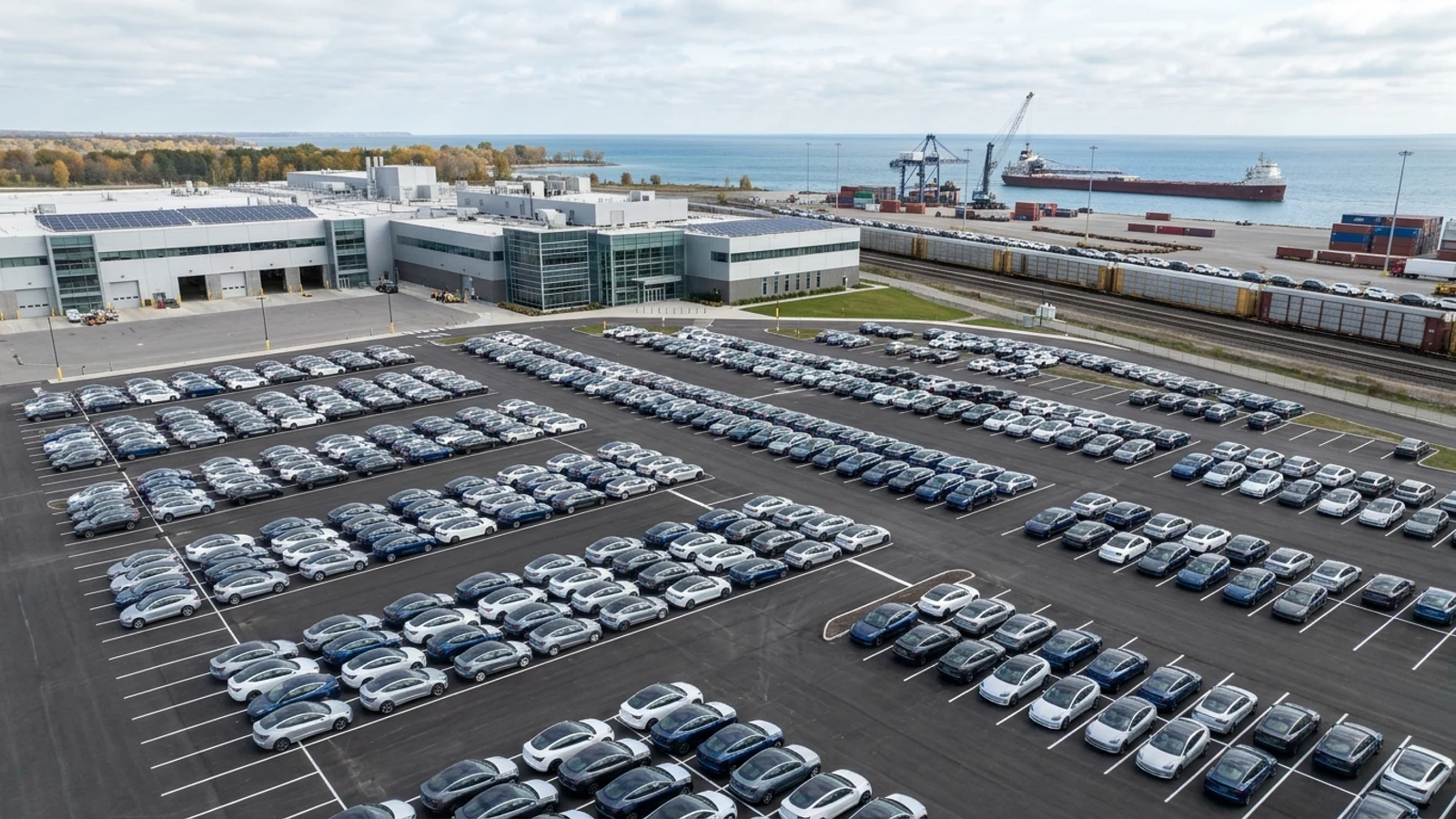
General Motors Canada has formally announced its support for imposing tariffs on electric vehicle imports originating from China. This position aligns the automaker with calls from various industry stakeholders and major labor organizations, such as Unifor, which have advocated for 100% tariffs on Chinese-made EVs, mirroring the protectionist measures currently in place within the United States. The company emphasizes that a fair, competitive playing field is essential to maintaining its ongoing investments and workforce commitment in the Canadian market. Source
The President of GM Canada, Kristian Aquilina, expressed encouragement regarding the Canadian government's ongoing examination of these trade issues. According to Aquilina, an unfair playing field poses a significant detriment to domestic operations, and it is necessary for the government to evaluate all available facts. This stance emerges as Chinese automaker BYD prepares for a potential entry into the Canadian market, further highlighting the tension between domestic production and the arrival of low-cost international competitors. Source
Canada, the United States, and the European Union have all signaled concerns regarding the potential for Chinese manufacturers to flood local markets with inexpensive electric vehicles, which could undercut domestic automakers. While Canada has previously allowed a limited quota of 49,000 Chinese EVs to enter at a 6.1 percent tariff rate, discussions are now shifting toward whether more restrictive barriers are required to protect the local manufacturing sector. China has warned that implementing high tariffs would negatively impact bilateral trade relations. Source
The pressure on the Canadian auto sector is underscored by broader shifts in North American trade negotiations. Prime Minister Mark Carney has signaled that if a viable trade deal with the United States cannot be finalized, Canada will explore alternative options with European and Asian partners, including China. This diplomatic posturing comes amid stalled US-Canada trade agreement negotiations, with concerns that potential US tariffs on Canadian-assembled vehicles could further destabilize an industry that exports 90% of its production to the south. Source
Stellantis' recent decision to sell its idle Brampton, Ontario assembly plant has become a focal point of regional anxiety. Originally slated for retooling, the facility's permanent closure following threatened tariffs has sparked speculation about future use by international automakers. Reports indicate that Stellantis received approximately Canadian $220 million in government incentives for plant retooling, leading to demands for repayment. The situation remains a clear test of Canada's ability to maintain a viable auto manufacturing base. Source
Automotive industry analysts, including Sam Fiorani of AutoForecast Solutions, note that while brands like Toyota and Honda are likely to maintain long-term Canadian facilities, the 'Detroit Three'—GM, Ford, and Stellantis—face ongoing risks. Current Canadian production capacity is approximately 1.65 million units with over 70% utilization. However, if powertrain production were moved elsewhere, the country’s assembly plants could face increased vulnerability, making the retention of engine and transmission manufacturing crucial for long-term viability. Source
In terms of future market access, Canadian Trade Minister Maninder Sidhu recently visited a Chery plant in China, leading to statements that consumers might see affordable Chinese EVs in Canada as early as 2027. However, the plan to gradually increase the quota of Chinese EVs to 70,000 by 2030 remains a point of contention for local officials like Ontario Premier Doug Ford, who expressed concerns about the assembly of Chinese-made kits within the country, fearing potential impacts on Canadian job security and training. Source
Canadian Auto Industry Trade Metrics
The following table outlines the current tensions and economic indicators regarding the Canadian automotive landscape and trade relations with China and the United States as documented in recent reports. Source
| Metric | Data | Source |
|---|---|---|
| 2025 Annual Vehicle Purchase Expectation (Canada) | 1.9 Million Units | Autoweek |
| 2025 Annual Vehicle Purchase Expectation (US) | 16 Million Units | Autoweek |
| Canadian Production Capacity | 1.65 Million Units | Autoweek |
| Chinese EV Import Quota (2024) | 49,000 Units | BBC |
| Planned Chinese EV Quota by 2030 | 70,000 Units | BBC |
| Stellantis Government Incentive (Brampton/Windsor) | C$220 Million | Autoweek |
Trade experts highlight that the potential for Chinese automakers to leverage Canadian manufacturing could provide a pathway for eventual entry into the broader North American market. By building capacity, institutional knowledge, and supply chain relationships over several years, these companies may gain a foothold despite current trade barriers. This strategy represents a patient approach to building brand recognition while monitoring changes in the US regulatory environment and potential shifting of trade policy. Source
Strategic Trade Considerations
Prime Minister Mark Carney maintains that any engagement with China is subject to strict guardrails, specifically excluding collaboration on sensitive technology sectors such as artificial intelligence and critical minerals. This policy is designed to address security concerns while seeking economic opportunities to offset the impact of US tariffs. As Canada pursues alternative trade partnerships with the European Union and the Philippines, the final strategy regarding the automotive sector remains highly dependent on ongoing US-Canada trade negotiations. Source
Ultimately, the intersection of national security, economic policy, and global supply chains continues to shape the Canadian automotive sector. Whether through the implementation of new trade barriers or the pursuit of alternative international partners, the focus remains on ensuring that domestic manufacturing capabilities are preserved. The situation is evolving, with both government officials and automotive stakeholders carefully assessing the impact of global trade relations on the future of the nation's industrial output. Source

