
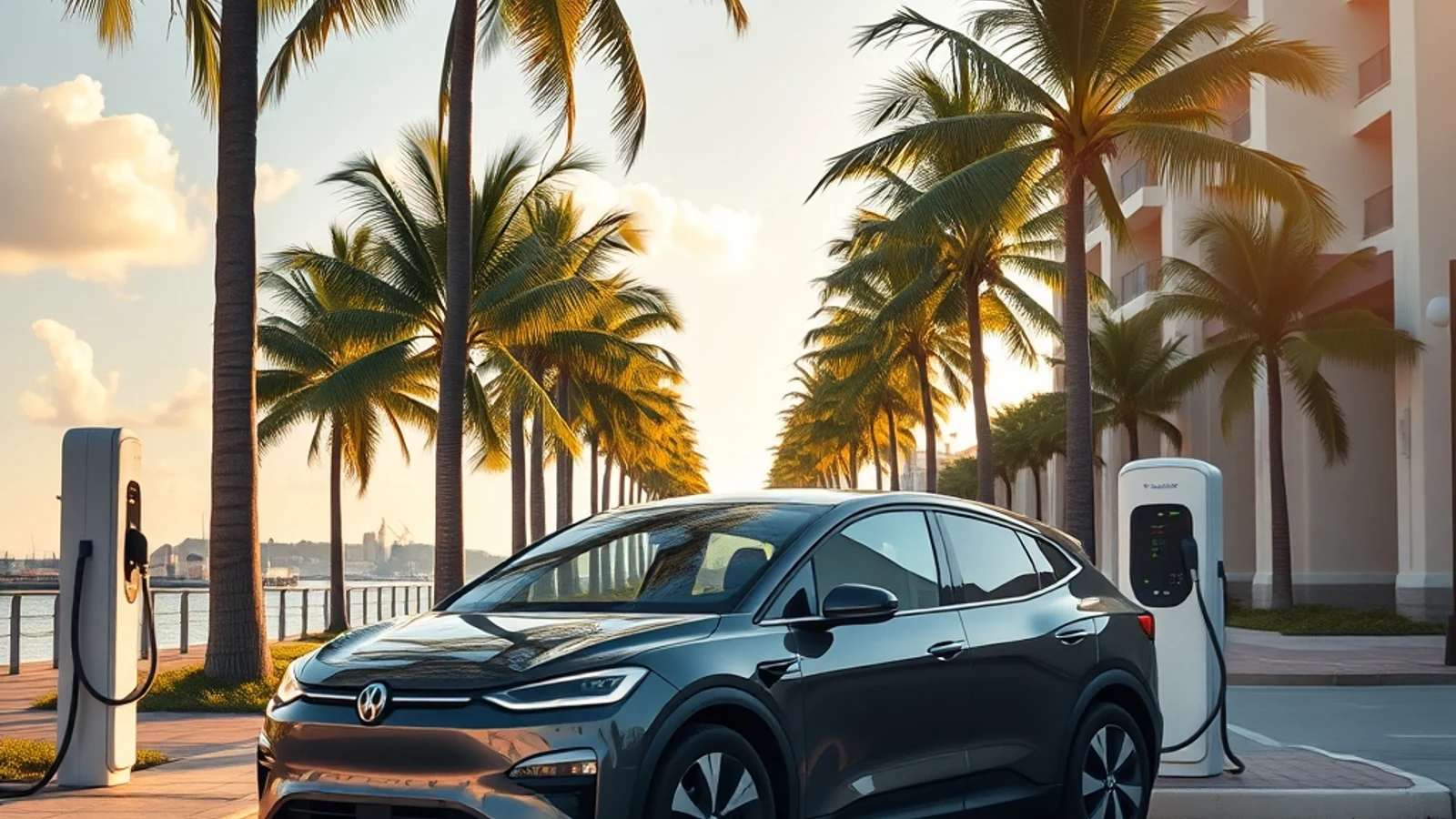
Electric vehicles have officially transitioned from niche curiosities to mainstream fixtures in the latest installment of the Grand Theft Auto series, Grand Theft Auto 6. Since the game's launch on November 19, 2026, players have noted a significant shift in how electric vehicles are integrated into the environment. While the game begins in the Keys, which features older vehicles and a sparse representation of electric models, the density of electric cars increases significantly as players travel north toward the urban environment of Vice City. Source
EV Adoption and Infrastructure in Vice City
The implementation of electric vehicles in the game mirrors real-world adoption patterns, where electric mobility is heavily concentrated in affluent metropolitan regions. In Vice City, electric cars are now common in everyday traffic, representing a stark departure from the developer's historical approach. Previously, electric vehicles in the franchise were primarily treated as infrequent, expensive toys or the subject of satirical jokes regarding battery performance or limited utility, effectively positioning them as rare outliers rather than standard transportation options. Source
Energy management is a newly introduced mechanic for mainline titles in the series. Players must now interact with charging infrastructure to maintain vehicle operation, creating a parity between internal combustion engines and electric powertrains. Observations indicate that the in-game charging experience is designed for convenience, with vehicles exhibiting range capabilities comparable to gas-powered alternatives. Furthermore, the cost to recharge electric vehicles in the game is reported to be equivalent to or less than the price of refueling traditional gasoline vehicles. Source
Recent data highlights the prevalence of charging infrastructure within the game map. A survey by Wccftech identified 120 charging locations, which significantly outnumbers the 57 gasoline stations currently marked on the map. This distribution notably reverses the current real-world ratio of charging stations to gasoline outlets found in many regions, including Florida. The inclusion of these charging networks, including parodies of real-world operators, adds a layer of realism that acknowledges the growing importance of electric mobility in modern society. Source
In-game testing conducted by third parties reinforces the viability of electric vehicles within the game's digital landscape. On a standard highway test loop, a vehicle inspired by the Tesla Model 3 completed the circuit in 20 minutes and 23 seconds. This performance was notably faster than the 18 minutes and 31 seconds recorded by the Banshee sports car, and remained competitive with an older pickup truck that finished in 29 minutes and 8 seconds. Crossing the entire map via highway takes approximately 15 minutes. Source
The game also incorporates common real-world frustrations, such as instances of internal combustion engine vehicles blocking charging stalls. This inclusion has been interpreted by observers as a sign of detailed research into public charging challenges. The Volkswagen-owned charging network, Electrify America, acknowledged its digital counterpart within the game through a public statement on November 20, 2026. The network expressed a lighthearted recognition of the in-game parody, stating they would maintain focus on real-world charging operations. Source
Historical Evolution of EVs in Rockstar Games
Historically, the developer's portrayal of electric vehicles was limited by technical stereotypes. In the 2013 title Grand Theft Auto V, the Coil Voltic was introduced as a pastiche of the original Lotus-based Tesla Roadster. At that time, in-game lore suggested the vehicle suffered from battery overheating, which limited its top speed. This reflected the contemporary public perception of electric vehicle limitations during that period. Subsequent updates in 2017 added more advanced models, but these remained rare, high-cost acquisitions for players. Source
Despite these advancements, certain elements remain unconfirmed or absent. Currently, there is no documented ability for players to install private home charging equipment at their rented properties. The availability of such features for players who eventually purchase in-game real estate remains an open question. Home charging remains a primary advantage for real-world electric vehicle owners, and its potential absence in the game limits the full simulation of the modern electric vehicle ownership experience for the player base. Source
The transition of electric vehicles into standard gameplay elements in Grand Theft Auto 6 signals their acceptance as a common feature of the modern transportation landscape. With tens of millions of potential players interacting with these systems, the game functions as a significant cultural exposure point for electric mobility. By removing artificial barriers like range anxiety and excessive costs, the game normalizes the use of electricity for travel in a way that aligns with the industry's broader consumer-facing objectives. Source

