
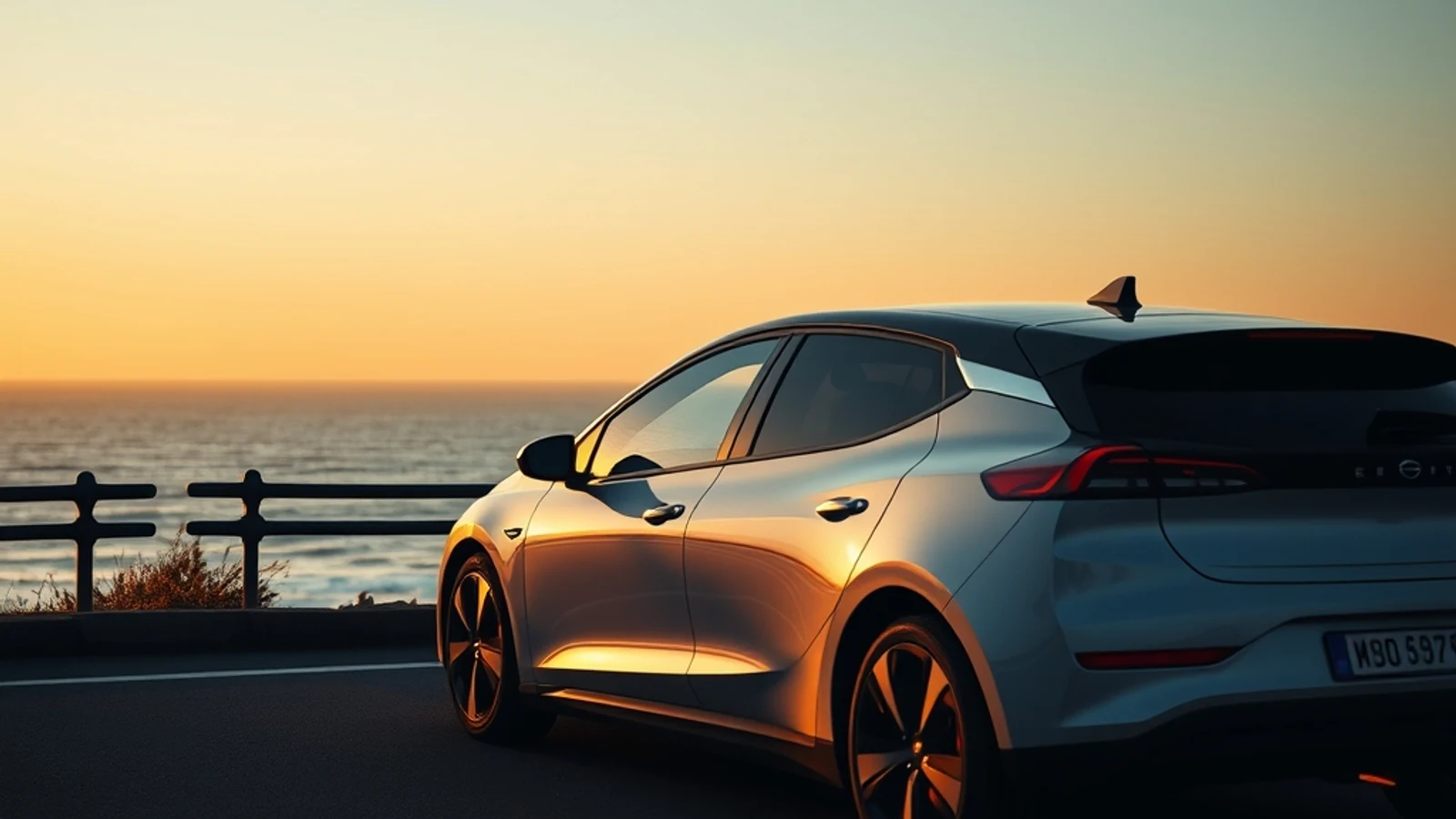
Kia is actively expanding its electric vehicle lineup to address consumer demand for more affordable options, with a formal development plan to introduce an all-new B-segment hatchback by the end of 2027. According to reporting from Electrek, the manufacturer aims to complete the development of this vehicle as its first software-defined vehicle, or SDV. While current international offerings span from compact SUVs to three-row vehicles and specialized vans, the company views this upcoming model as a crucial addition to its portfolio to reach budget-conscious buyers. Source
Development and Market Strategy
The development of this hatchback is being conducted in collaboration with Hyundai as part of a shared, dedicated electric platform. This co-development effort is expected to produce two distinct models: the Hyundai IONIQ 1 and the Kia EV1. These upcoming electric vehicles are intended to compete directly with other entry-level battery-electric cars already available in global markets, such as the Renault Twingo. By targeting this segment, Kia aims to offer a competitive alternative to conventional, internal combustion-powered small cars. Source
Regarding pricing strategy, Electrek reported that the EV1 is anticipated to start within the €20,000 to €22,000 range, which equates to approximately $22,000 to $24,000. These price estimates represent the base structure excluding potential government subsidies or purchase incentives. For comparison, Kia's existing entry-level EV in Germany and other European territories, the EV2, holds a starting price of €26,600, or about $29,500. This pricing positioning suggests that the EV1 is intended to serve as the brand's lowest-cost electric model globally. Source
The technological architecture of the EV1 signals a significant shift toward software-defined vehicle capabilities for the automaker. The platform will incorporate Hyundai's CODA architecture, the Pleos Connect infotainment interface, and Gleo AI, an in-vehicle agentic AI system. Furthermore, the manufacturer claims the model will provide Level 2+ autonomous driving functionality specifically for highway use, with a planned technical advancement to Level 2++ to support automated operation within city environments by 2029. Source
Preliminary design details indicate the entry-level vehicle will deviate from the boxier aesthetic currently defining the EV2 SUV. Industry accounts suggest the exterior styling might draw inspiration from the Vision Meta Turismo concept, focusing on a sportier visual identity. Although it is not positioned as a direct electric successor to the gas-powered Picanto, the company emphasizes that the EV1 will maintain internal quality and design standards consistent with the broader brand, despite its role as a high-volume entry-level product. Source
The internal user experience may differ significantly from the brand's established premium EV range. While models like the EV3 and EV6 utilize dual 12.3-inch screens paired with a dedicated 5-inch climate control panel under the current ccNC system, the EV1 may adopt a simplified cockpit configuration. Despite this, the automaker intends to include a GT performance variant within the lineup, though it remains unconfirmed if this version will utilize a dual-motor all-wheel-drive setup or maintain a different powertrain configuration. Source
Market Positioning and Specifications
Market availability for the EV1 is currently focused on Europe, with internal statements confirming the B-segment hatchback is specifically designed for that region. Potential manufacturing plans include utilizing the company's plant in Slovakia, where the vehicle could be produced alongside the EV2. There are currently no concrete plans to introduce this specific B-segment hatchback to the United States, where the company focuses on models such as the EV3, which launched in the US with a base price of $29,890. Source
The following table provides a comparison of the reported pricing for the upcoming EV1 against current entry-level electric vehicle offerings from the company in European markets and the United States as documented by Electrek. Source
| Model | Reported/Starting Price (Approx) | Market | :--- | :--- | :--- | | EV1 | €20,000 - €22,000 ($22k - $24k) | Europe | | EV2 | €26,600 ($29,500) | Germany/Europe | | EV3 | $29,890 | United States | Source
Historical context shows a long progression for the company in electrification. It has been 40 years since the introduction of the Besta EV, which was developed for the 1986 Asian Games to prevent runners from breathing exhaust fumes. Today, that legacy has evolved into a comprehensive lineup that includes the EV2, EV3, EV4, EV5, EV6, EV9, and the PV5 van in European and UK markets, with the upcoming EV1 expected to broaden the accessible range significantly by late 2027. Source
As of late 2026, the company continues to refine its software and hardware integration for the upcoming SDV platform. The EV1 is expected to serve as the primary testbed for the new CODA architecture and associated generative AI features. While the automaker has not released detailed specifications regarding battery chemistry or range, the commitment to an entry-level price point and high-tech features suggests a strategic effort to lower the barriers to entry for first-time electric vehicle buyers. Source
Finally, the manufacturer has explicitly noted that it has no intention of resting on its current portfolio success. The decision to pursue a B-segment hatchback reflects a broader industry trend toward smaller, more affordable electric mobility solutions. By leveraging shared architecture with Hyundai, the company aims to optimize production efficiency, potentially allowing for the aggressive pricing targets outlined by executive management for the 2027 launch window, contingent on final development milestones and manufacturing scale. Source

