
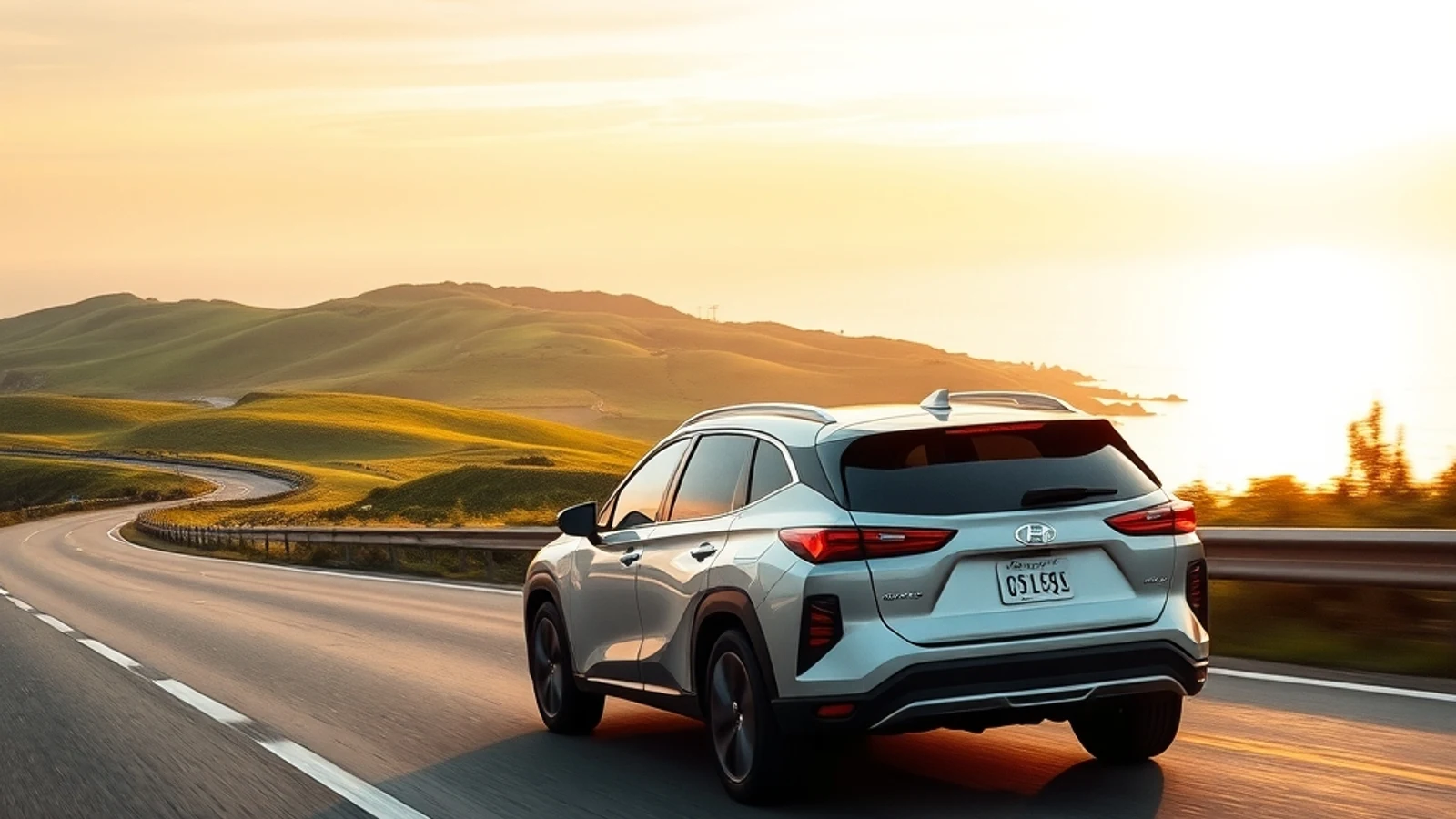
Market Trends and Kia Sales Strategy
As of November 26, 2026, the American automotive market faces a significant affordability crisis, defined by rising vehicle prices and high interest rates. According to CarBuzz, Eric Watson, the vice president of sales operations for Kia America, confirmed that Kia is positioning its vehicle lineup to accommodate budget-conscious buyers. The company emphasizes traditional sedan and hatchback models, such as the K4, which is priced under $25,000, and the K5, which remains available for under $30,000. Source
The demand for hybrid technology has experienced substantial growth within the Kia brand. Watson reported that hybrid sales have doubled over the previous year, with expectations for continued growth throughout 2027. Dealers frequently report that customers are specifically seeking hybrid vehicles to reduce fuel-related expenses. Watson noted that saving roughly $200 per month on gasoline is a major factor motivating consumers to consider hybrid alternatives in a market where average industry prices approach $50,000. Source
Kia is preparing to launch the 2027 Seltos HEV, which is expected to combine approachable pricing with hybrid efficiency. While official pricing and technical specifications remain unconfirmed by the manufacturer, industry expectations suggest the model will feature a 1.6-liter naturally-aspirated four-cylinder engine paired with an electric motor and a six-speed dual-clutch transmission. This configuration mirrors powertrains utilized in existing models like the Kia Niro or the Hyundai Elantra. Source
Despite the success of conventional hybrids, Kia leadership indicates a shift in perspective regarding plug-in hybrid vehicles (PHEVs). Watson described these vehicles as losing their position in the industry, citing the expiration of government tax credits and the relatively high price of these models as significant barriers. Furthermore, the increasing fuel efficiency of conventional hybrids is identified as a factor that may render plug-in variants less relevant to the average consumer. Source
Regarding extended-range electric vehicles (EREVs), Kia indicates that it sees potential for such technology in the future, though they are projected to be several years away. The company confirmed it does not plan to introduce an EREV model in 2027, unlike its affiliate, Hyundai, which is preparing the Santa Fe EREV. This strategy allows Kia to monitor the market reception of EREVs from other brands before committing to its own development in this specific segment. Source
Consumer Shift and EV Market Recalibration
Market data from InsideEVs corroborates the trend toward traditional hybrids as consumers seek refuge from high fuel prices. In the second quarter of 2026, 15.6% of consumers who traded in an electric vehicle (EV) opted for a new hybrid model. Conversely, 34.6% of those consumers transitioned to a new EV. Plug-in hybrids accounted for 5.4% of these trade-in returns, while traditional internal combustion engine vehicles captured 42.6% of the market share from those transitioning away from EVs. Source
The preference for hybrid vehicles is further highlighted by retention rates. InsideEVs reports that 58.3% of hybrid owners chose to remain with a hybrid powertrain after their leases ended. A report from Cox Automotive indicates that in the first half of 2026, 22% of car buyers considered a new hybrid, which marks a new peak for the powertrain. During the same period, interest in new EVs declined to 10% from 11% in the first half of 2025, according to the same study. Source
Industry experts note that affordability remains the defining factor in current purchase decisions. According to Corey Cantor of the Zero Emissions Transportation Association, traditional hybrids typically cost only a few hundred to a thousand dollars more than comparable gasoline-only models, making them an attractive choice for fuel savings. Conversely, the absence of federal tax credits, which concluded in September 2025, significantly altered the price parity between EVs and traditional vehicles. Source
The table below outlines key consumer sentiment trends observed during the first half of 2026 regarding powertrain consideration among car buyers in the United States, as reported by Cox Automotive. Source
| Powertrain Type | 2025 Consideration Rate | 2026 Consideration Rate |
|---|---|---|
| Hybrid | 20% | 22% |
| Electric Vehicle | 11% | 10% |
The disparity between lease payments for EVs and non-EVs has also contributed to changing consumer habits. InsideEVs cited data from Edmunds showing that the average lease payment for an EV was $707 last month, while non-EV vehicles were $100 less expensive. High operating costs, coupled with concerns regarding battery replacement and limited home charging infrastructure, continue to influence the perception that EVs are unaffordable, regardless of initial price cuts or manufacturers' efforts. Source
While manufacturers like Ford and Slate are currently developing affordable electric pickup trucks, the segment remains challenged by limited range and high purchase costs compared to their internal combustion counterparts. The Ford F-150 Lightning was discontinued in 2025, and electric truck sales generally lag behind traditional gas-powered alternatives. Industry analysis suggests that achieving price parity with gasoline models remains the most significant hurdle for widespread electric vehicle adoption in the United States. Source

