
Development and Production Timeline
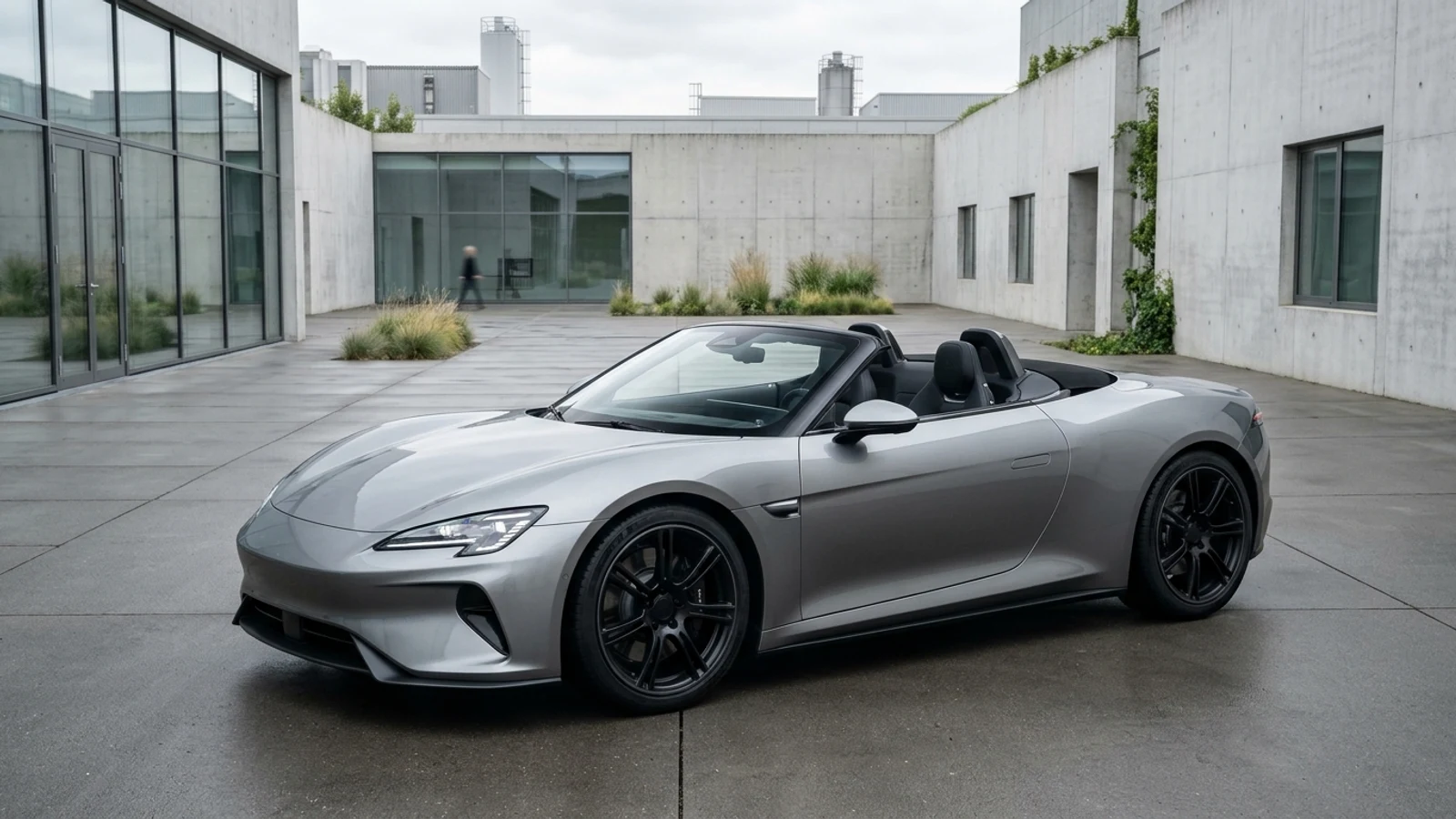
Porsche is moving forward with the electrification of its two-door sports car lineup, with the company confirming that the production version of the new 718 Boxster will be unveiled in the first three months of 2027. This vehicle, described by the manufacturer as an entry-level sports car, will be manufactured at the main facility in Stuttgart-Zuffenhausen. The company has subjected the model to an extensive testing program, covering close to 2.5 million miles across various global environments, including cold-weather testing in Sweden and high-temperature conditions in Death Valley. Source
The 718 Boxster Electric incorporates a unique engineering solution labeled E-Core, which places the battery pack directly behind the two seats. This design choice mimics the location where Porsche traditionally mounted internal combustion engines in previous models. By positioning the 800-volt battery system here, the manufacturer maintains a lower driver seat height and achieves a weight distribution of approximately 40 percent front and 60 percent rear, facilitating handling characteristics similar to traditional mid-engined sports cars. Source
While total vehicle weight remains officially undisclosed, it is expected to align with modern 911 Cabriolet models equipped with T-Hybrid powertrains. Reported estimates for the vehicle weight range between 3,693 pounds and 3,990 pounds. The chassis incorporates technology derived from the 911, such as braking systems and steering components, including rear-axle steering for the first time on the 718 platform. The vehicle will exclusively utilize a rear-wheel-drive configuration across all anticipated trim levels, which are expected to include base, S, GTS, and potential Turbo variants. Source
Performance benchmarks for the top-of-the-range model include an acceleration time from zero to 62 mph in under three seconds, with a top speed of 155 mph. Porsche has confirmed that the 718 Boxster Electric will feature an E-Shift function, a virtual transmission system that simulates the experience of a seven-speed PDK gearbox. This technology allows drivers to toggle between automatic and manual modes using steering wheel paddles. When activated, the system also pipes simulated engine sounds into the cockpit, specifically modeled after the 981-generation Boxster GTS flat-six engine. Source
Technical Specifications and Performance Features
In addition to simulated engine noises, the E-Shift system provides varying torque output spikes during gear shifts to replicate mechanical transitions. When the sound synthesis feature is disabled, the same steering wheel paddles can be utilized to adjust the vehicle's energy recuperation intensity across three stages. Prototypes observed during development testing have demonstrated high responsiveness and precise handling characteristics, maintaining a distinct sports car feel despite the lack of a traditional internal combustion engine. Source
The exterior design retains classic Boxster proportions while adopting modern stylistic cues such as Taycan-style headlights. The front end lacks traditional air intake vents, and the rear center-mounted exhaust outlet has been removed. Inside, the cabin features familiar switchgear and displays consistent with other recent electrified Porsche models. The vehicle includes an insulated soft top that remains operable up to speeds of 35 mph, ensuring the model remains consistent with its predecessor's functional requirements as a convertible sports car. Source
While the battery system is compatible with 800-volt high-speed charging networks, precise details regarding total battery capacity and specific driving range figures remain unstated by the manufacturer. The use of single electric motors pulled from the Macan Electric architecture ensures the 718 maintains its traditional drive orientation. Porsche has emphasized the importance of maintaining the driving engagement expected of a sports car, even as the platform shifts away from the flat-six engines that historically defined the 718 series. Source
When comparing recent developments in Porsche's electrified lineup, the 2026/2027 Cayenne Electric variants provide context regarding the company's shared technological components and interior design. These SUVs feature curved OLED infotainment systems and shared trim architectures with the performance variants. Notably, the top Turbo trim level of the Cayenne Electric delivers 844 hp. For consumers analyzing the shift toward all-electric performance across the brand, the following table summarizes key performance observations for the current electric development cycle. Source
The table below outlines specific parameters documented across Porsche's recent high-performance electric launches and testing findings. Source
| Model/Variant | Documented Power | Key Attribute |
|---|---|---|
| 718 Boxster Electric (Top) | Not Specified | <3s 0-60 mph (est.) |
| Cayenne Turbo Electric | 844 hp | 113 kWh Battery |
| Cayenne S Electric | 657 hp | Sport Chrono Standard |
The interior of these new electric models emphasizes a screen-heavy layout, exemplified by a 12.3-inch curved OLED infotainment display in the Cayenne Coupe, complemented by an optional 14.9-inch passenger screen. Despite the digital focus, physical HVAC controls are retained, reflecting a balance between modern user interface needs and traditional ergonomics. This approach to cabin design and functionality is expected to inform the user experience within the upcoming 718 Boxster Electric as well. Source
In summary, the transition of the 718 Boxster to an all-electric platform represents a significant shift for the manufacturer, prioritizing retention of traditional mid-engine driving dynamics through innovative battery integration. While fans of manual transmissions and flat-six vibrations will face the loss of those specific mechanical attributes, the engineering program aims to fill that gap with advanced simulation technology, rear-axle steering, and responsive EV power delivery. Further specifications on range and trim-specific pricing are expected as production nears. Source

