
Prototype Development and Engineering
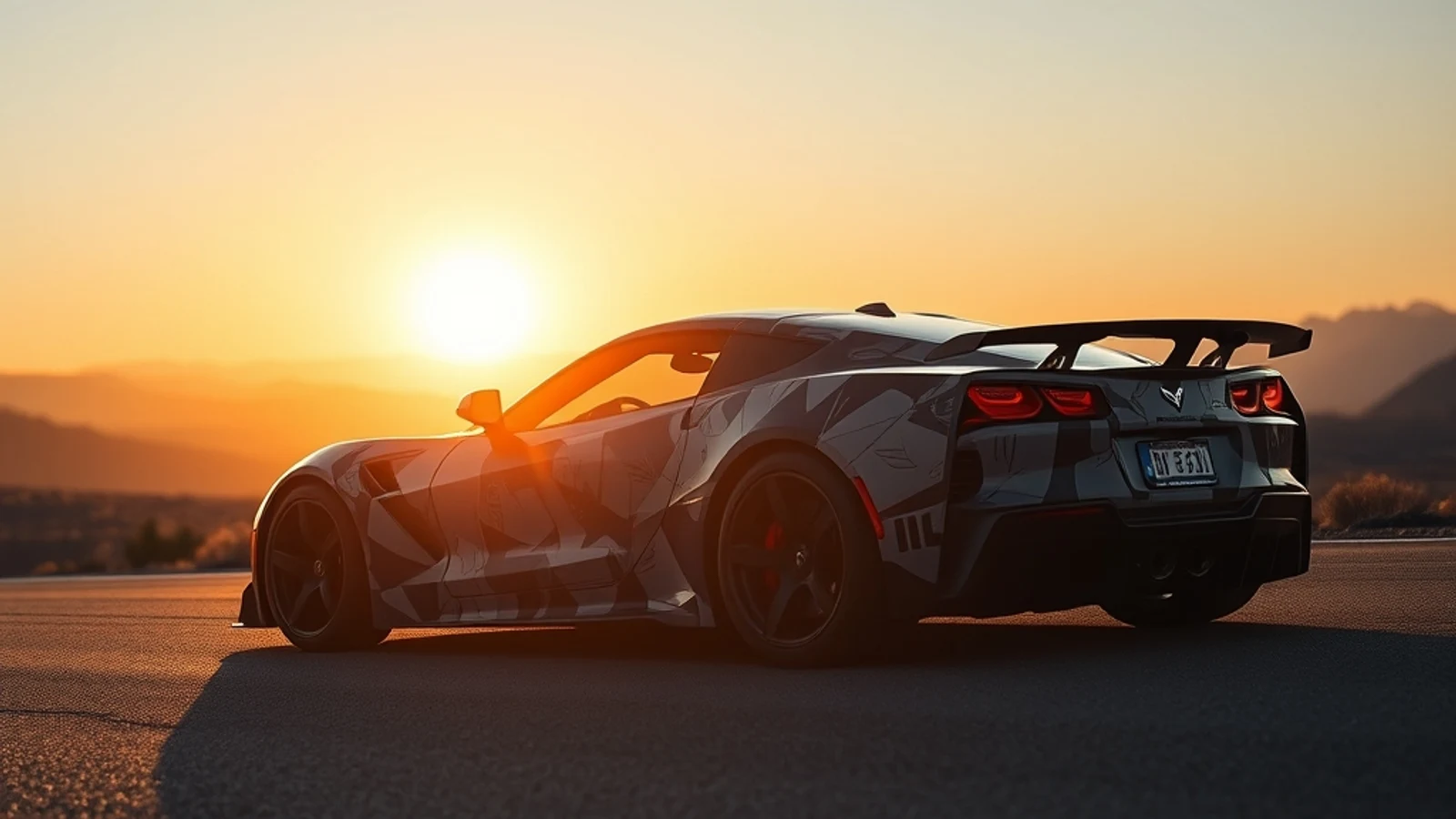
Porsche is currently developing an all-electric version of its 718 Boxster, aiming to maintain the agility and handling characteristics of its mid-engine gas-powered predecessors. While the company has not yet provided an official model-year designation for the production vehicle, it has confirmed plans for a formal reveal in the first quarter of 2027. Journalists have had the opportunity to experience a camouflaged prototype at the Porsche Experience Center in Los Angeles to assess its performance in a controlled track environment. Source
A primary design departure for this electric sports car involves the battery placement. Unlike many electric vehicles that mount battery packs beneath the floor, the 718 Boxster EV positions its 800-volt battery pack directly behind the passenger cabin. This configuration mimics the engine location of a traditional mid-engine roadster and results in a 40 percent front and 60 percent rear weight distribution. This setup is intended to preserve the rear-led handling feel that enthusiasts associate with the Porsche 718 lineage. Source
The vehicle is equipped with a single rear-mounted electric motor, as the company has stated that all-electric 718 Boxster models will exclusively feature rear-wheel drive. Despite the absence of a dual-motor, all-wheel-drive configuration, Porsche claims the top-tier version of the model will achieve a sprint from 0 to 60 mph in less than 3.0 seconds. The car rides on staggered-diameter wheels, with 255/35ZR-20 tires in the front and 305/30ZR-21 tires in the back, utilizing Pirelli P Zero R Elect tires. Source
To bridge the transition from internal combustion to electrification, Porsche has implemented a simulated engine sound and gear-shift feature known as E-Shift. Controlled via a knob on the steering wheel, the system allows for automatic or manual shifts using steering wheel paddles. The synthesized sound is designed to pay homage to the 3.4-liter flat-six engine of the 981 Boxster GTS, utilizing external and internal speakers to mimic mechanical intake and exhaust characteristics, including a simulated 8000-rpm redline. Source
The 718 Boxster EV is expected to be the first Porsche to feature a North American Charging Standard (NACS) port located in the center of the rear bumper capable of handling both AC and DC charging. Currently, the company's existing electric offerings like the Taycan and Cayenne require separate ports or utilize NACS solely for DC fast charging. The vehicle retains front and rear trunks, providing cargo flexibility despite the placement of the battery pack behind the occupants. Source
Technical Specifications and Known Gaps
While reviewers have praised the prototype for its sharp steering and rear-biased handling, many technical specifications remain undisclosed by the manufacturer. Porsche has not published official figures regarding battery capacity, total range, curb weight, or motor power output. Additionally, no final interior design or exterior styling, free from camouflage, has been revealed to the public. Prospective owners should note that these figures, as well as the final production specifications and pricing, are subject to change prior to the 2027 market debut. Source
The following table summarizes the confirmed and reported characteristics of the prototype model as disclosed during the initial track testing phase. Source
Feature | Specification or Status | :--- | :--- | Drive Layout | Rear-Wheel Drive (Single Motor) | Weight Distribution | 40% Front / 60% Rear | Battery Architecture | 800-Volt System | Battery Location | Behind Passenger Cabin | 0-60 mph Claim | Under 3.0 Seconds | Charging Port | NACS (AC and DC) | Tires | Staggered 20-inch Front / 21-inch Rear Source
The development strategy focuses on the E-Core concept, which utilizes a dedicated sports car architecture rather than a platform shared with floor-mounted battery vehicles. By packaging the heaviest components close to the center of the vehicle, engineers aim to minimize the impact of the added weight typical of electric powertrains. The vehicle is expected to offer braking and cornering performance that exceeds previous gas-powered iterations, though specific skidpad and lap time metrics are currently unavailable. Source
The absence of detailed battery capacity and charging power metrics presents an ongoing challenge for assessing the long-distance viability of the platform. Unlike mass-market electric vehicle segments where such figures are standard, the luxury roadster segment remains focused on brand identity and enthusiast satisfaction. However, the lack of definitive charging curves or energy density data means potential buyers must rely on the reported driving dynamics and synthesized sensory features during the initial evaluation period. Source
Market pressures, particularly within the luxury sports car niche, will likely influence the success of the 718 Boxster EV. With the cooling market for high-end electric vehicles and the reduction of purchase incentives in some regions, the price point and real-world range will be significant factors. Porsche continues to evaluate the product lifecycle and has indicated that internal combustion engine models in the Boxster range are effectively being phased out in favor of this electric-only future. Source
The prototype represents a significant shift in engineering for the brand as it moves toward its 2027 debut. While the driving impressions from independent testers suggest a faithful recreation of the mid-engine experience, the final determination on the model's success will depend on its performance in the hands of customers. All technical, logistical, and financial details are expected to be confirmed closer to the official reveal date in the first quarter of 2027. Source

