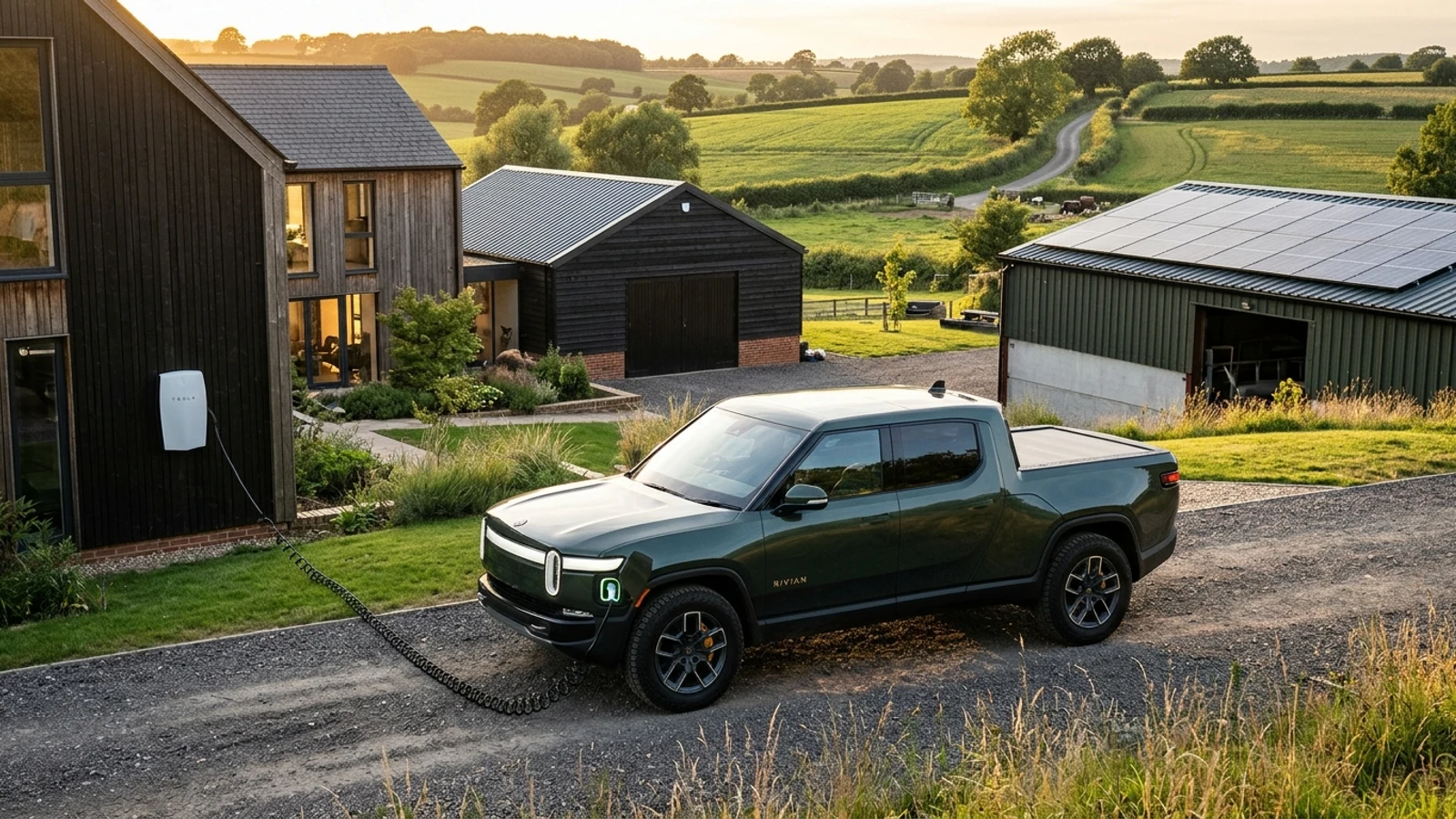
Benefits of Electrification for Rural Lifestyles
As of November 21, 2026, the potential for electric vehicle adoption in rural communities across the United States has gained increased attention. While these regions are physically and culturally distant from major urban centers, researchers and analysts highlight that their unique characteristics—including specific vehicle needs, longer driving distances, and socioeconomic conditions—create an environment where electrification provides distinct advantages over conventional internal combustion engines. This evolution reflects a shift in how rural households manage transportation energy needs through localized infrastructure. Source
Daily travel requirements in rural settings often far exceed typical urban commute patterns. While standard estimates often cite 30 to 40 miles of daily driving, residents in rural locales such as Wellington, Ohio, or Colfax, Washington, frequently treat a 30-mile journey as a single grocery trip. Addressing concerns regarding range, experts note that dismissing electric vehicles for these users based on urban habits ignores the reality of modern battery capabilities, which are well-suited to the driving patterns found in the American heartland. Source
Economic factors present a compelling case for the transition, with data from the Rural Climate Partnership indicating that rural households spend an average of 44% more on fuel compared to urban residents. For the most frequent drivers, termed supermilers, the financial incentive is particularly pronounced, with potential annual fuel savings estimated at over $4,000. These figures underscore the shift in cost-of-ownership dynamics that favor electric powertrains as fuel prices remain exposed to global market fluctuations. Source
A notable development in the electric market as of November 2026 is the expansion of truck and SUV options. Unlike the limitations observed in 2021, current manufacturers offer battery-powered vehicles capable of hauling, towing, and performing demanding agricultural or residential chores. Market analysts note a emerging trend of more affordable electric trucks which challenge the long-held assumption that a specialized, high-cost half-ton pickup is the only viable tool for rural tasks, offering utility without excessive dimensions. Source
Infrastructure, Backup Power, and Long-Term Ownership
Public infrastructure remains an area of development, with approximately 45% of rural counties hosting DC fast-charging stations. While this availability is less pervasive than in urban centers, the logistical advantage for rural drivers centers on home charging. Over 80% of rural households have access to private driveways or garage facilities, which are ideal for overnight Level 2 charging. Many rural properties already feature 240V outlets, allowing for efficient charging setup with minimal installation expense compared to urban apartment-dwellers. Source
Vehicle-to-home technology offers a unique utility for residents in regions prone to extreme weather, such as hurricanes or wildfires, where grid stability is a recurring challenge. Several electric trucks and cars now provide the capability to power essential household appliances like refrigerators, well pumps, and lighting systems. Models including the Ford F-150 Lightning and Tesla Cybertruck exemplify this shift, enabling vehicles to function as backup energy sources during power outages, thereby enhancing household resilience. Source
Financial accessibility is further supported by modern incentive structures, including targeted tax credits and various lease programs designed to lower entry barriers. Organizations such as Ford Pro and TRC are engaged in helping rural buyers secure funding and incentives to make electric pickups price-competitive with traditional gas-powered vehicles. This shift in procurement strategy is supported by historical data from vehicles such as a 2019 Chevy Bolt, which demonstrated the capacity to withstand high-mileage operation exceeding 470,000 miles. Source
Durability remains a core metric for rural consumers, and battery longevity data provides confidence in the technology. Ford has reported that its battery packs maintain more than 90% of their capacity after 100,000 miles of operation. With high-voltage battery technology having been in operation for over 30 years since the introduction of early hybrid models, there is substantial evidence that electric vehicles are a mature technology capable of fulfilling the daily, rigorous requirements of rural and country drivers. Source
Energy independence provides another layer of value, as rural households with solar or wind installations can generate their own fuel. By powering vehicles with locally produced renewable electricity, drivers reduce their participation in global oil markets. This transition is aided by advancements in battery chemistry and recycling processes, which are steadily reducing the reliance on rare earth metals like cobalt and lithium, fostering a domestic energy cycle that also supports local maintenance and construction job markets. Source
International perspectives on this transition suggest broad applicability, with reports from rural areas as distant as Australia highlighting that EVs can be integrated into remote lifestyles lacking standard fuel services. In these environments, home-based solar energy allows drivers to avoid volatile electricity pricing, while LFP battery technology addresses durability concerns, offering long-term warranties that exceed the typical expectations of traditional rural automotive owners in diverse geographic regions. Source
For rural buyers who prioritize lasting quality over transient trends, the engineering behind modern electric platforms offers a robust alternative. As the automotive industry continues to refine these technologies, the focus remains on ensuring that EVs perform reliably in challenging climates and operational conditions. Manufacturers are increasingly cognizant of the fact that rural adoption depends on the ability of these vehicles to serve as consistent, durable tools, mirroring the long-term ownership patterns traditionally associated with agricultural and work-focused automotive segments. Source
The evolution of the electric vehicle market through the current calendar year highlights that rural adoption is no longer a niche proposition. With improved hardware, lower operating costs, and the added capability of acting as residential power backups, the practical arguments for electrification are gaining traction. Future growth in this sector is expected to follow technological improvements in charging access and vehicle accessibility, enabling more rural households to transition away from fuel-dependent transportation models. Source