
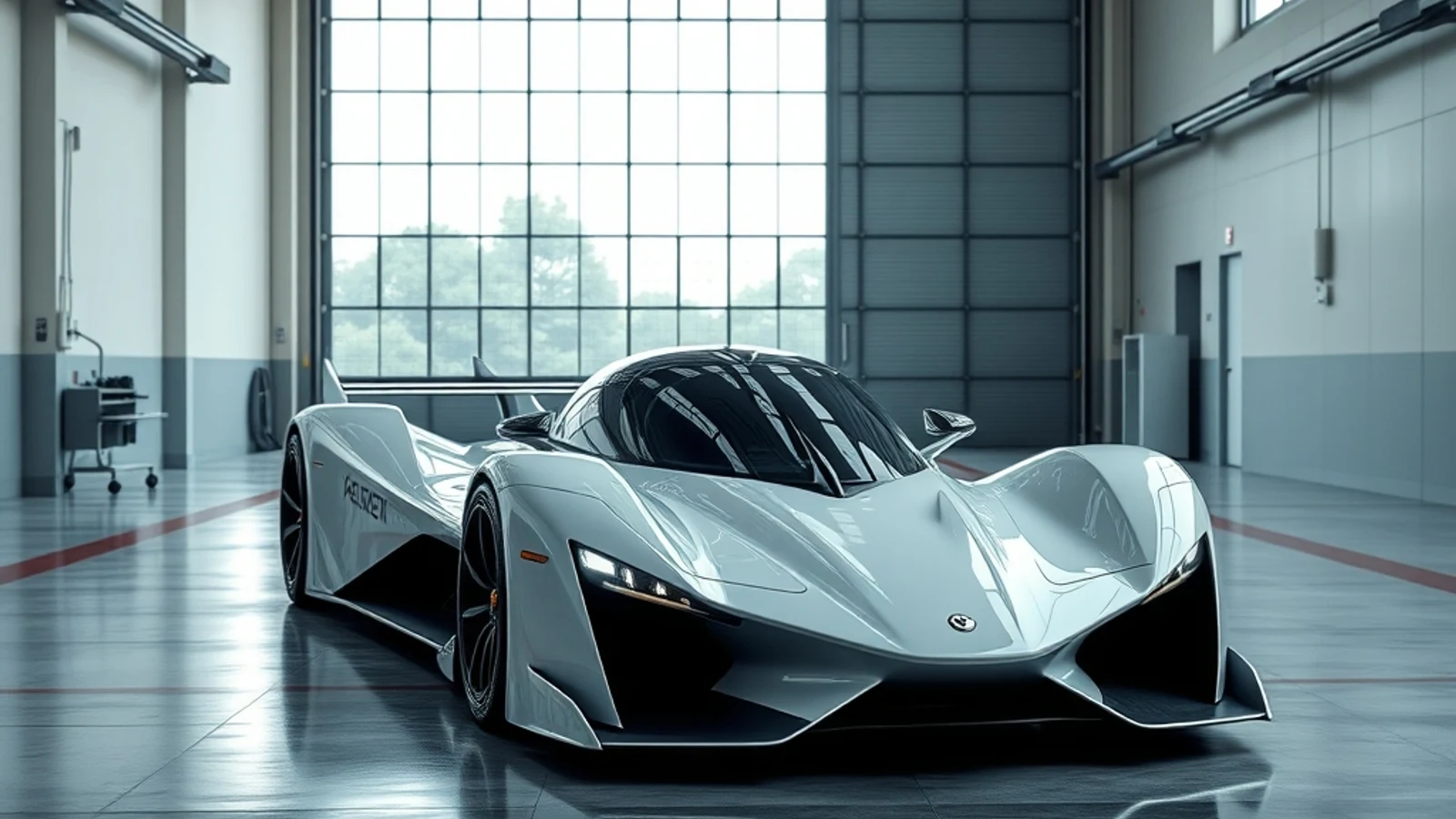
Strategic Motorsport Realignment
Stellantis has officially confirmed a major restructuring of its motorsport operations, which includes the termination of its factory-backed World Endurance Championship (WEC) and Formula E participation. This decision serves to align the company's activities with its broader FaSTLAne 2030 strategic plan. By winding down these expensive top-tier factory programs, the automaker intends to redirect its resources toward core business functions, including high-performance vehicle development, product quality improvements, and the expansion of its market coverage. Source
The exit from the World Endurance Championship involves the immediate cessation of the Peugeot 9X8 factory program. This marks the second time the French manufacturer has withdrawn from endurance racing, following a previous departure ahead of the 2012 season. Despite ongoing development and planned updates for the 9X8 Hypercar, the program failed to secure a race win during its tenure. Peugeot finished seventh out of eight teams in the 2026 WEC Hypercar standings, which preceded the decision to cease participation. Source
While the WEC exit is immediate, Stellantis brands participating in Formula E are permitted to complete the current season. Citroën and Opel will remain on the grid until the conclusion of the 2027 season, scheduled for July 2027. This duration allows the manufacturers to see out the start of the Gen4 racing cycle, despite the broader corporate decision to move away from factory-backed electric single-seater competition after that point. Source
The financial context of this decision is rooted in a challenging period for the automotive group. Stellantis reported a significant net loss for 2025 and is currently managing a major cost-reduction program aimed at improving long-term financial stability. Analysts and reporting outlets note that these factory-backed motorsport efforts involved significant recurring annual expenses—estimated at approximately 300 million euros—which the company is now moving to eliminate to repair its balance sheet. Source
Although factory-level support is being cut, Stellantis does not intend to leave motorsport entirely. The company has stated it will retain and redeploy more than 200 staff members from its current motorsport division. These employees are expected to transition into other engineering and development roles, focusing on customer racing programs and high-performance road-car variants. This strategy aims to create a more direct link between racing expertise and the production vehicles sold to consumers. Source
Specific customer-focused initiatives will remain, including the Lancia Corse HF rally team's campaign in WRC2 and the support provided to Opel’s electric Corsa and Mokka rally projects. These programs are viewed as more cost-effective and relevant to showroom products than factory-backed world championship teams. Additionally, Stellantis confirmed that the previously planned entry of Dodge into the NASCAR Cup Series for the 2027 season remains unaffected, as that program is operated independently by the company's North American division. Source
Program Exit Timeline
The following table summarizes the scheduled conclusion of Stellantis factory racing efforts as confirmed by the company and supporting industry reports: Source
| Program | Series | Exit Date |
|---|---|---|
| Peugeot | World Endurance Championship (WEC) | Immediate (Nov 2026) |
| Citroën | Formula E | July 2027 |
| Opel | Formula E | July 2027 |
| Lancia | WRC2 (Customer) | Continued |
| Dodge | NASCAR Cup Series | Continued (North America) |
The decision to halt these factory programs reflects a broader trend among major automotive manufacturers facing intense competition from pure-EV brands and Tesla. Stellantis management is prioritizing the launch of over 50 new and updated models in Europe over the next five years as part of its FaSTLAne 2030 objectives. By shifting focus, the group hopes to translate its retained technical expertise into improved performance and technology for its brands, including Alfa Romeo, Maserati, Peugeot, Lancia, and Opel-Vauxhall. Source
Employees who are currently tasked with WEC and Formula E operations are currently in a transition phase. While the company has pledged to identify internal opportunities for these workers, the exact distribution of these roles across the group’s varied departments is part of an ongoing internal process. The redeployment effort serves as a primary mechanism to avoid large-scale redundancy costs while still cutting the substantial operating expenses associated with professional racing car development and logistical track support. Source
The impact on the racing series themselves is significant. Formula E is set to lose a major manufacturer supporter, with reports suggesting that the grid size for the 2028 season could see a reduction from the current 24-car capacity to approximately 20 cars. Similarly, the Hypercar class in WEC faces the loss of Peugeot's presence, though other manufacturers such as McLaren and Ford continue to maintain interest or expansion in top-tier endurance competition for the coming years. Source
Stellantis maintains that the focus on high-performance road-car variants will provide the company with a more stable and direct return on its automotive engineering efforts. By moving away from championship-level factory teams, the group seeks to insulate its brand image from the volatility and high burn rates often associated with factory racing, aiming instead for the long-term margin generation expected by its investors through standardized model launches and operational efficiency. Source

