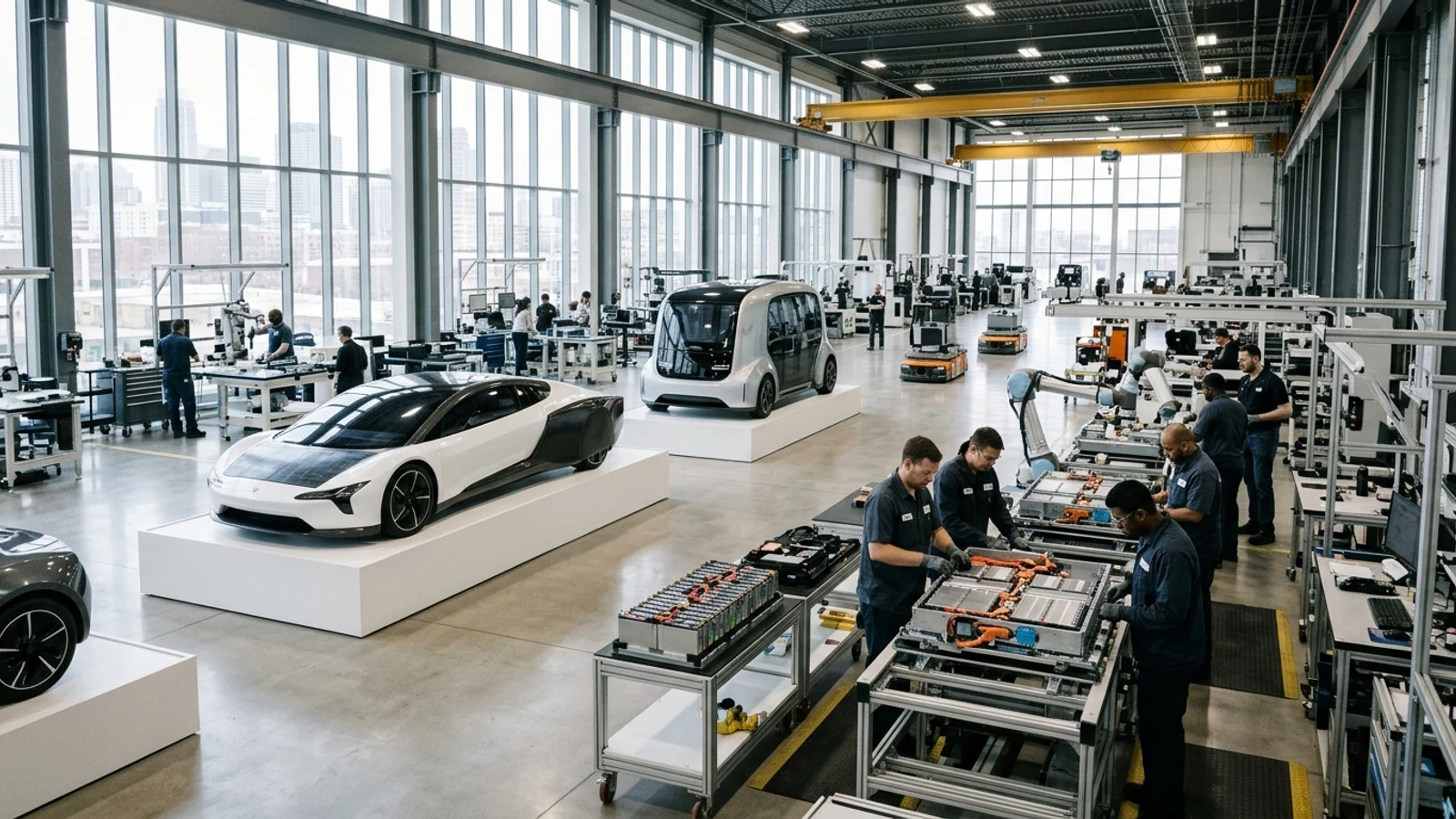
The automotive and energy sectors are seeing movement as of November 20, 2026, with major manufacturers refining their vehicle lineups and production strategies. Industry reporting from Electrek highlights a series of developments, specifically involving Tesla's pursuit of a 'personal' Cybercab vehicle, Ford's utilization of lithium iron phosphate (LFP) battery technology for its Fathom project, and recent progress regarding vehicle deliveries from Aptera. These updates represent the latest information available concerning these specific automotive developments. Source
Tesla is currently drawing attention with its focus on the 'personal' Cybercab model. While the company has long been associated with autonomous ride-sharing fleets, this pivot toward a personal ownership model marks a potential shift in how the vehicle may be positioned for the general consumer market. Industry analysts are monitoring how this specific iteration differentiates itself from the commercial fleet designs previously discussed by the manufacturer, particularly regarding interior configuration, safety features, and the expected integration with existing driver assistance software. Source
In parallel, Ford is continuing its exploration of battery chemistry by implementing LFP cells into its Fathom project. The selection of LFP chemistry is significant for the broader industry, as it offers a different performance profile compared to the nickel-based chemistries that have dominated the long-range electric vehicle segment. Ford’s strategic application of this battery technology suggests a focus on optimizing cost and longevity, which are key variables for its Fathom vehicle program as the company manages its transition toward broader electrification. Source
Aptera has also reached a delivery milestone, marking a critical step for the solar-electric vehicle manufacturer. After extended periods of development and prototype testing, the company is now moving into the phase of getting its vehicles into the hands of customers. This transition from a development-heavy entity to an active delivery participant is viewed as a indicator of the company's ability to overcome production scaling challenges that often impact smaller automotive startups entering the competitive electric vehicle space. Source
The broader energy transition continues to influence these corporate strategies. As companies like Tesla and Ford adjust their product roadmaps, the influence of sustainable transport news remains high. These developments are regularly discussed in industry media, such as the Electrek Podcast, which tracks these shifts in real-time. By keeping a close watch on these specific announcements, observers can better understand the current velocity of change within the automotive industry and how various players are prioritizing their technological investments. Source
Industry observers often focus on the nexus between battery innovation and market accessibility. For Ford, the Fathom project serves as a case study for how established manufacturers can integrate lower-cost, high-cycle-life battery chemistries into specialized vehicle platforms. Simultaneously, Tesla's move with the Cybercab highlights the importance of market segmentation, where a vehicle platform previously designed for commercial transit is adapted for the individual buyer, potentially increasing the total addressable market for autonomous-ready vehicles. Source
The delivery progress of Aptera demonstrates the persistence of niche manufacturers in the electric vehicle segment. Their approach, emphasizing high aerodynamic efficiency and solar integration, provides a distinct alternative to traditional passenger vehicle designs. As deliveries commence, the feedback from early owners will be vital in determining the long-term viability of their solar-integrated model. These three developments—Tesla's personal Cybercab, Ford's LFP strategy, and Aptera's deliveries—collectively represent the shifting focus of the automotive industry toward diverse energy and mobility solutions. Source
Understanding these events requires distinguishing between internal projects and customer-facing products. The 'personal' Cybercab from Tesla is positioned as a consumer offering, which contrasts with its previous iterations focused on urban transportation fleets. Ford's Fathom, meanwhile, remains an area of interest regarding the scalability of LFP technology within its broader portfolio. Finally, Aptera's move to production represents the most tangible progress for a startup in this group, as it transitions from the design-testing phase to actual customer receipt of vehicles. Source
Looking ahead, these manufacturers face the ongoing challenge of scaling production while maintaining technological parity with competitors. Tesla's ability to effectively market a 'personal' autonomous vehicle will rely on both regulatory clearance and consumer trust. Ford's success hinges on the manufacturing efficiency of its battery-inclusive platforms. Aptera's focus remains on proving its production capability at scale. All three companies are operating within an industry that is increasingly sensitive to cost, range efficiency, and the integration of advanced driver assistance systems. Source
The reporting provided by Electrek highlights these events within the weekly cycle of industry updates. By capturing these specific corporate maneuvers, it is possible to track the incremental progress of major automotive brands. These updates are consistent with a broader trend of increased transparency in corporate R&D and delivery timelines. For consumers and investors, the convergence of these developments provides a clear picture of the current state of electric vehicle adoption and the strategic priorities of the dominant players. Source