
Status of the Toyota Mid-Engine Project
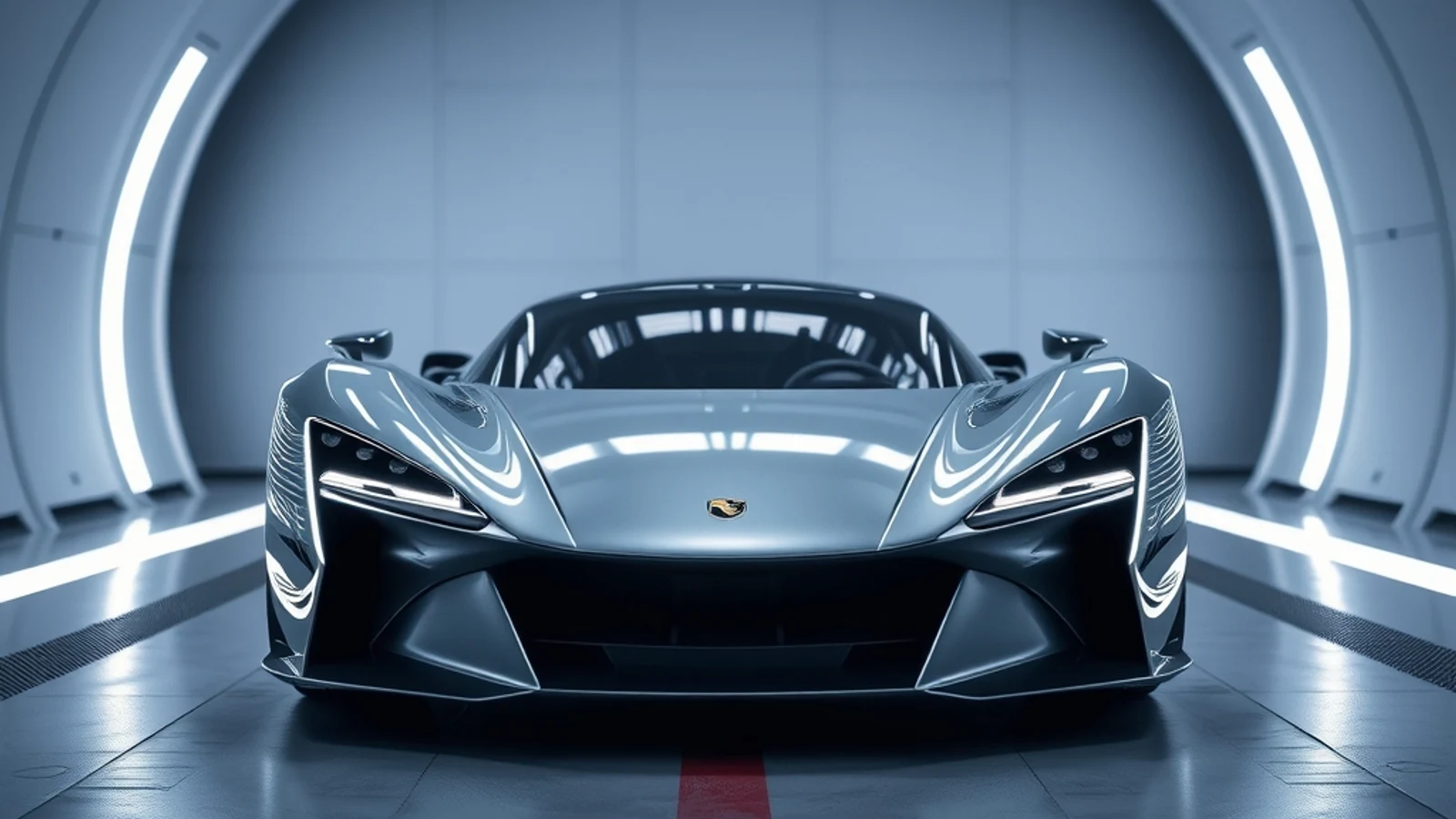
Toyota is currently navigating the early stages of a mid-engine sports car project, an initiative that has generated significant industry speculation. Despite recent testing of a GR Yaris-based prototype in Japan's Super Taikyu racing series, Gazoo Racing President Tomoya Takahashi has provided a sober update on the vehicle's progress. As of November 2026, the project remains at an experimental stage, with Toyota still working to finalize core design elements, meaning a production version is not expected in the immediate future. Source
In an official interview, Takahashi stated that while the team has gained substantial insight into the dynamics of mid-engine layouts, the transition from concept to production remains a significant hurdle. He explicitly noted that the development team is not even halfway to a completed production vehicle. The company's goal with the current experimental coupe is to understand the implications of the engine's placement behind the driver rather than to debut a final consumer-ready model at this stage. Source
Engineers have identified several technical obstacles associated with the mid-engine architecture, particularly concerning cooling and heat management. Because the engine is situated behind the passenger cabin, channelling adequate airflow into the engine bay has proven difficult. The project team has spent the past year experimenting with various configurations to address these cooling requirements, alongside challenges related to overall aerodynamic performance and maintaining consistent downforce during high-speed operation. Source
A notable update in the latest prototype involves a shift from the previous hatchback design to a dedicated coupe silhouette. Toyota believes this change will improve the vehicle's front-to-rear weight distribution and enhance airflow toward the engine compartment. Furthermore, the engineering team has replaced an eight-speed automatic transmission with a conventional manual gearbox. Takahashi explained that this choice was deliberate to simplify the vehicle's development by removing complex electronic transmission control systems, allowing engineers to focus solely on dynamics. Source
The prototype has also been adjusted to feature a left-hand drive steering configuration, a move intended to assist with potential global market testing, although Toyota maintains that this does not constitute a confirmation of international production. At this point, there is no official launch date, defined production specifications, or a confirmed name for the final model. While the company has historical ties to the MR2 nameplate, the branding for this new project remains subject to change as the development process proceeds. Source
Toyota's broader sports car strategy includes multiple concurrent projects, including replacements for the GR86 and Supra, as well as a new GR GT supercar and a modern Celica. Given these competing priorities for engineering and financial resources, the development timeline for the mid-engine model remains flexible. Toyota has indicated that its commitment to these projects is driven by a desire to keep enthusiast-focused vehicles in its lineup to inspire the next generation of drivers despite the industry's shift toward SUVs and electrification. Source
Comparison of Mid-Engine Approaches
In comparison to the ongoing development of Toyota's experimental coupe, other manufacturers are further along with their own electrification efforts for two-seat sports cars. Porsche, for instance, has been testing its forthcoming 2028 718 Boxster EV. Unlike the Toyota project, which is testing engine-cooling and mid-engine balance, Porsche has confirmed that its new EV platform will house the 800-volt battery pack directly behind the passenger cabin, maintaining a rear-biased weight distribution characteristic of mid-engine internal-combustion cars. Source
The engineering approaches differ significantly between the two manufacturers. While Toyota is actively working to solve the heat management and mechanical balance challenges inherent to an internal-combustion engine placed behind the driver, Porsche's strategy for the 718 Boxster EV focuses on battery placement to replicate the handling dynamics of a mid-engine layout. Porsche claims its electric version will be the quickest and most powerful iteration of the model, with a lower center of gravity than previous versions. Source
Historical context for affordable mid-engine sports cars also highlights the challenges Toyota previously faced in balancing performance and market demands. During the final year of the first-generation Toyota MR2 in 1988, the manufacturer offered a supercharged variant with a 1.6-liter four-cylinder engine. In contrast to the Pontiac Fiero of the same era, which featured a 2.8-liter V6, the MR2 emphasized lightweight handling. Current market trends show that these vehicles maintain distinct values, with collectors favoring unmodified examples. Source
Maintaining accurate tracking of production figures for older mid-engine platforms has proven difficult, as seen with the supercharged first-generation MR2. While Pontiac produced 26,402 Fiero units in 1988, Toyota's production numbers for the supercharged MR2 variant remain unverified in contemporary collector reports. This historical data reflects the variability in production consistency that Toyota continues to account for as it approaches its current sports car projects, emphasizing the need for rigorous experimental testing before committing to a final assembly line. Source
The following table summarizes selected performance and developmental attributes for the current Toyota experimental platform and the referenced mid-engine benchmarks. Source
| Vehicle / Project | Development Status | Key Configuration | Primary Challenge |
|---|---|---|---|
| Toyota Mid-Engine Prototype | Experimental (Under 50% complete) | Mid-Engine, Manual | Cooling & Aerodynamics |
| Porsche 718 Boxster EV | Prototype (Launch expected 2027) | Mid-Battery, Rear-Drive | Weight Distribution |
| 1988 MR2 Supercharged | Production (Historic) | Mid-Engine, Supercharged | Weight / Handling Balance |

