
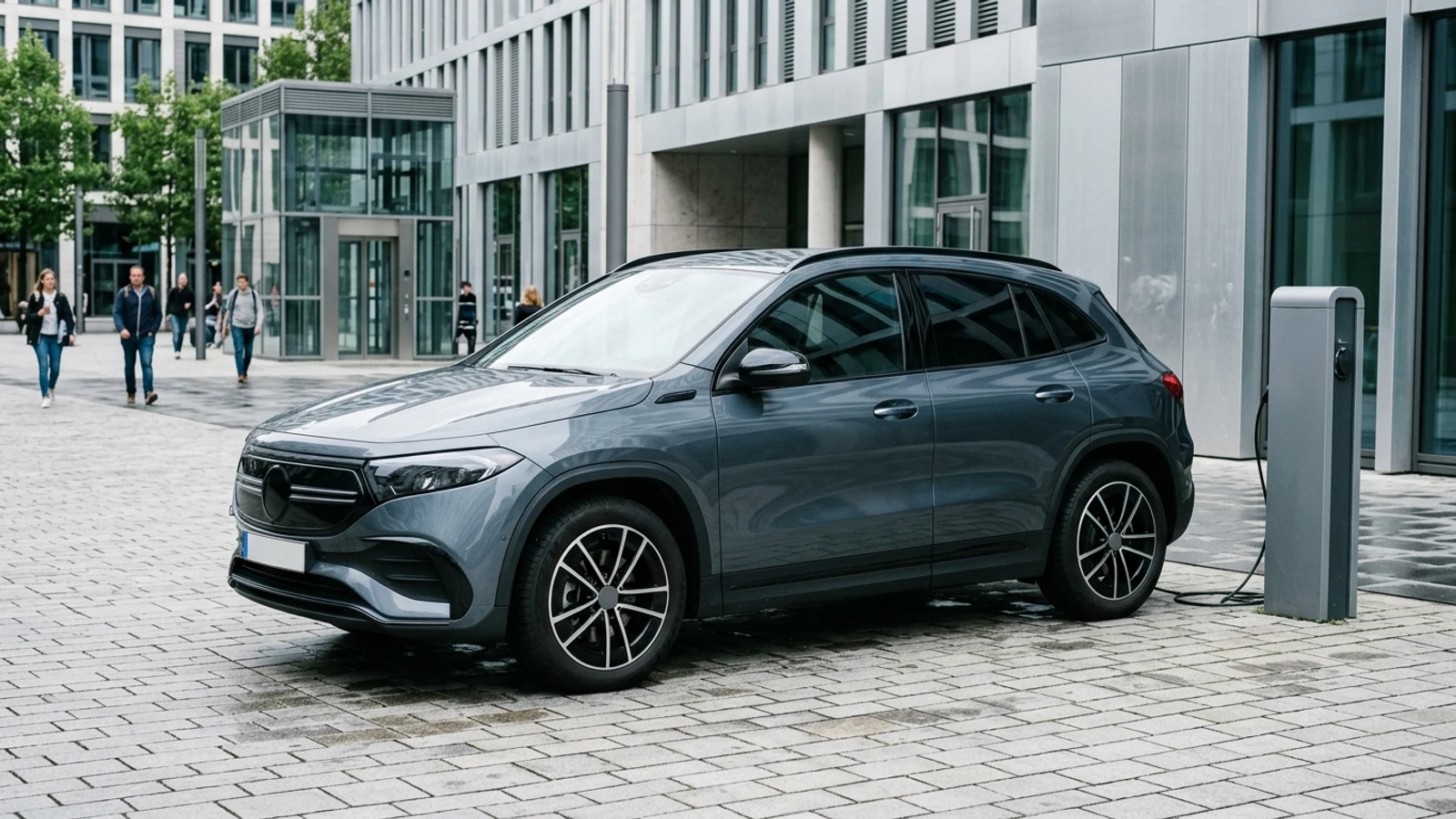
ID. Cross R-Line Performance and Specifications
Volkswagen has expanded its electric vehicle lineup with the new ID. Cross R-Line, a model designed to bring sporty, GTI-inspired performance to its entry-level electric SUV segment. The automaker has officially opened orders for this performance-oriented trim in Germany, with prices beginning at €37,225 including VAT. This development signals a strategic shift in how the brand balances entry-level affordability with its historic reputation for performance-focused trim levels, specifically borrowing DNA from the established Polo GTI. Source
The flagship ID. Cross R-Line is scheduled to go on sale in March 2027. It will be powered by a front-mounted electric motor delivering 166 kW (222 hp) and 290 Nm of torque. According to manufacturer projections, this configuration allows the vehicle to accelerate from 0 to 62 mph (100 km/h) in 6.9 seconds. The powertrain is supported by a 52 kWh nickel-manganese-cobalt (NMC) battery pack, which is rated for a maximum WLTP range of up to 428 km (266 miles). Source
The chassis of the flagship model incorporates specialized technology aimed at enhancing handling, including an electronically controlled front differential lock, DCC adaptive chassis control, and progressive steering. This setup mirrors systems found in the Polo GTI. As a result of these modifications, the R-Line model sits 15 mm lower than the standard ID. Cross, a design choice intended to optimize traction, stability, and driver control. The vehicle also introduces a new Traction profile with specific drive modes. Source
Drivers can access various drive modes including Eco, Comfort, Sport, and Individual to tailor vehicle behavior to their preferences. The entry-level variant, by comparison, utilizes a 99 kW (132 hp) motor paired with a 37 kWh battery. This configuration yields a WLTP range of approximately 314 km (195 miles). Despite the difference in power, both versions utilize the MEB+ platform, which supports the structural and electrical requirements of the brand’s newer electric family vehicles. Source
Standard equipment on the ID. Cross R-Line includes R-Line style bumpers, vertical daytime running lights, and 19-inch alloy wheels. Interior features are designed to match the exterior styling, with sports comfort seats, specialized R-Line trim, and progressive steering provided as standard. Furthermore, the vehicle includes the Innovision Pro infotainment system, which features the IDA voice assistant. Connectivity and safety are prioritized through standard inclusions like ID. Light, LED matrix headlights, and Adaptive Cruise Control. Source
Production and Future Model Outlook
The ID. Cross series is manufactured at the Volkswagen Navarra facility in Pamplona, Spain. CEO Thomas Schäfer has positioned the model as a core element of the brand’s effort to compete with Tesla and manufacturers from China. The vehicle is designed to be a modern and affordable option, filling the space between the T-Cross and the larger Tiguan. By utilizing different battery chemistries, such as LFP for the 37 kWh pack and NMC for the 52 kWh pack, Volkswagen is segmenting the market. Source
Charging performance varies by battery configuration. The 37 kWh battery pack can recharge from 10% to 80% in approximately 23 minutes when using DC fast charging up to 90 kW. The 52 kWh battery requires roughly 24 minutes for the same charge capacity with DC fast charging up to 105 kW. The interior design of the ID. Cross adopts a digital-first approach with a 10.25-inch Digital Cockpit Pro instrument display and a 12.9-inch central infotainment screen, also featuring a nostalgic Retro Display mode. Source
The ID. Cross measures 4,161 mm in length, 1,794 mm in width, and 1,588 mm in height, with a wheelbase of 2,601 mm. This dimensional profile is comparable to the gas-powered Volkswagen T-Cross. Thanks to the flat battery pack architecture, the electric SUV provides up to 475 liters of cargo space. This represents an increase of 20 liters of interior storage compared to its gas-powered counterpart, indicating a focus on practical utility despite the compact vehicle footprint. Source
Looking ahead, Volkswagen is preparing to replace the ID.4 and ID.5 with a new electric Tiguan model. This upcoming SUV is expected to utilize the MEB+ platform and feature an updated cabin design that returns to using physical buttons for common functions, a change made in response to consumer feedback. The electric Tiguan is expected to feature refined battery and electric drive components, building upon the range and charging performance established by previous models in the ID lineup. Source
Volkswagen has also introduced the ID Every1 concept, which serves as a preview for the brand's future entry-level EV set for 2027. This concept, described as a spiritual successor to the VW Up, measures 3,880 mm in length. It is the first vehicle in the group to utilize a new software architecture developed in partnership with Rivian. The production version is expected to feature a 71 kW (95 hp) electric motor, a claimed top speed of 130 km/h, and a minimum range of 250 km. Source
For comparison with larger utility vehicles in the US, the 2027 Chevy Silverado EV 4WT has been noted as a significant entry in the full-size electric pickup market. Starting at $53,200, it provides a reference point for current electric vehicle pricing strategies. This model offers range options reaching up to 493 miles for the Max battery configuration. Such developments highlight the varied approaches manufacturers are taking to scale EV production while attempting to maintain competitive entry-level pricing for consumers. Source
The following table summarizes the key performance specifications for the ID. Cross models discussed in current reports, reflecting differences between the entry-level Trend trim and the performance-oriented R-Line flagship. All range figures are based on WLTP estimates provided by the manufacturer. These specifications illustrate how Volkswagen is differentiating its trims through battery capacity, motor power, and chassis technology to target varied segments of the electric vehicle market, ranging from urban commuters to performance-focused buyers. Source

